

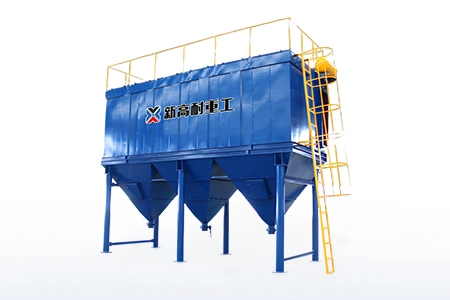
What Is a Pulse Jet Bag Filter: Core Definition
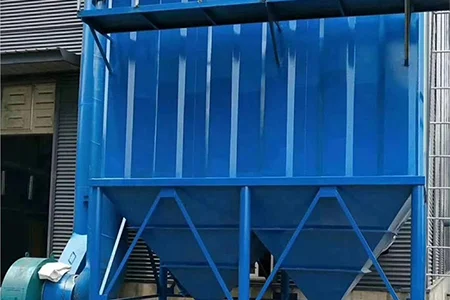
Working Principle of a Pulse Jet Bag Filter
Dust Filtration: Contaminated gas (with dust particles) enters the pulse jet bag filter through the air inlet. The gas flows through a distribution plate, which evenly disperses the gas into the filter chamber. Filter bags (made of porous materials like polyester or PTFE) trap dust particles on their outer surface, while clean gas passes through the bag fabric and exits through the air outlet.
Dust Buildup: As filtration continues, dust accumulates on the filter bags, forming a "dust cake." This cake enhances filtration precision but increases air resistance—requiring periodic cleaning to avoid reduced airflow and efficiency.
Pulse Jet Cleaning: When air resistance reaches a preset level, the pulse jet system activates. Solenoid valves open sequentially, releasing compressed air (at 0.4-0.6 MPa) into the filter bags in short pulses (0.1-0.2 seconds). The air bursts reverse the gas flow inside the bags, shaking off the dust cake into the dust hopper below.
Dust Discharge: Collected dust in the hopper is discharged periodically via a screw conveyor or star discharger, completing the dust collection cycle. The pulse jet bag filter operates continuously during cleaning—only one row of bags is cleaned at a time, ensuring uninterrupted dust removal.
Key Components of a Pulse Jet Bag Filter
Filter Chamber: The main body that houses filter bags, providing a sealed space for gas filtration. It is made of corrosion-resistant steel to withstand harsh industrial gases.
Filter Bags: The core filtration element. Materials vary by application—polyester for general dust, PTFE for high-temperature or corrosive environments, and aramid for flame-retardant needs.
Pulse Jet System: Includes solenoid valves, air bags (to store compressed air), and nozzles. This system controls the timing and intensity of air pulses, critical for effective cleaning.
Dust Hopper: Collects dislodged dust, equipped with level sensors to monitor dust accumulation and trigger discharge.
Control System: Automates filtration and cleaning processes. It adjusts pulse frequency based on air resistance, ensuring optimal performance and energy efficiency.
Advantages of a Pulse Jet Bag Filter
High Filtration Efficiency: Captures up to 99.9% of fine dust (down to 1μm), meeting strict environmental emission standards (e.g., EU EN 12757, US EPA regulations).
Continuous Operation: Automated pulse cleaning avoids shutdowns, making it suitable for 24/7 industrial processes (e.g., cement production, mining).
Wide Adaptability: Handles various dust types (abrasive, sticky, high-temperature) and air volumes (from 1,000 to 100,000 m³/h), adapting to diverse industrial needs.
Low Maintenance: Minimal manual intervention; filter bags have a long service life (6-18 months), reducing operational costs.
Energy Efficiency: Pulse cleaning uses low air consumption, and the control system optimizes energy use based on real-time dust loads.
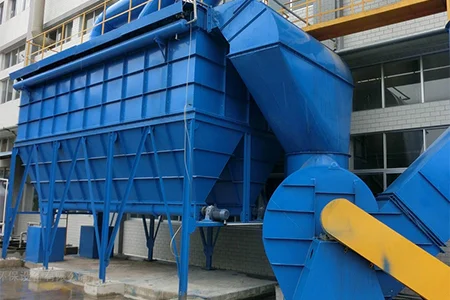
Industrial Applications of Pulse Jet Bag Filters
Mining & Quarrying: Capturing dust from crushers, screens, and conveyor systems (e.g., coal, iron ore, limestone dust).
Cement & Building Materials: Controlling dust from cement kilns, grinding mills, and aggregate production lines.
Metallurgy: Removing dust from blast furnaces, steelmaking processes, and metal grinding operations.
Chemical Industry: Handling corrosive or toxic dust (e.g., fertilizer, pesticide, plastic powder) with specialized filter bags.
Waste Incineration: Filtering smoke and particulate matter from incinerators to meet environmental standards.
Food Processing: Capturing powdery materials (e.g., flour, sugar, starch) without contaminating the product.
How to Choose the Right Pulse Jet Bag Filter
Dust Properties: Choose filter bag materials based on dust particle size, humidity, temperature, and corrosiveness (e.g., PTFE for temperatures above 200℃).
Air Volume: Match the filter’s air handling capacity to the exhaust gas volume of your production line to avoid underperformance.
Emission Standards: Select a model with sufficient filtration efficiency to comply with local environmental regulations.
Installation Space: Compact designs are ideal for factories with limited space, while modular models suit large-scale operations.