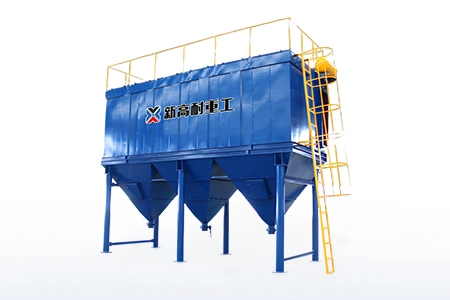
The
pulse jet bag filter working principle is the core of its high-efficiency dust collection performance, combining automated filtration and targeted cleaning to maintain continuous operation in industrial environments. Unlike traditional bag filters with manual or mechanical cleaning, the pulse jet bag filter working principle relies on high-pressure air pulses to dislodge dust buildup—ensuring consistent airflow, high filtration efficiency, and minimal downtime. This guide breaks down the pulse jet bag filter working principle step-by-step, explores its supporting components, and highlights factors that optimize its performance.
Core Overview of the Pulse Jet Bag Filter Working Principle
At its essence, the pulse jet bag filter working principle revolves around two interconnected processes: dust filtration and automated pulse cleaning. These processes operate in cycles, allowing the equipment to capture dust from industrial exhaust gas without interrupting production. The entire mechanism is designed to balance filtration precision and operational continuity, making it ideal for high-dust-load industries like mining, cement production, and metallurgy.
Step-by-Step Breakdown of the Pulse Jet Bag Filter Working Principle
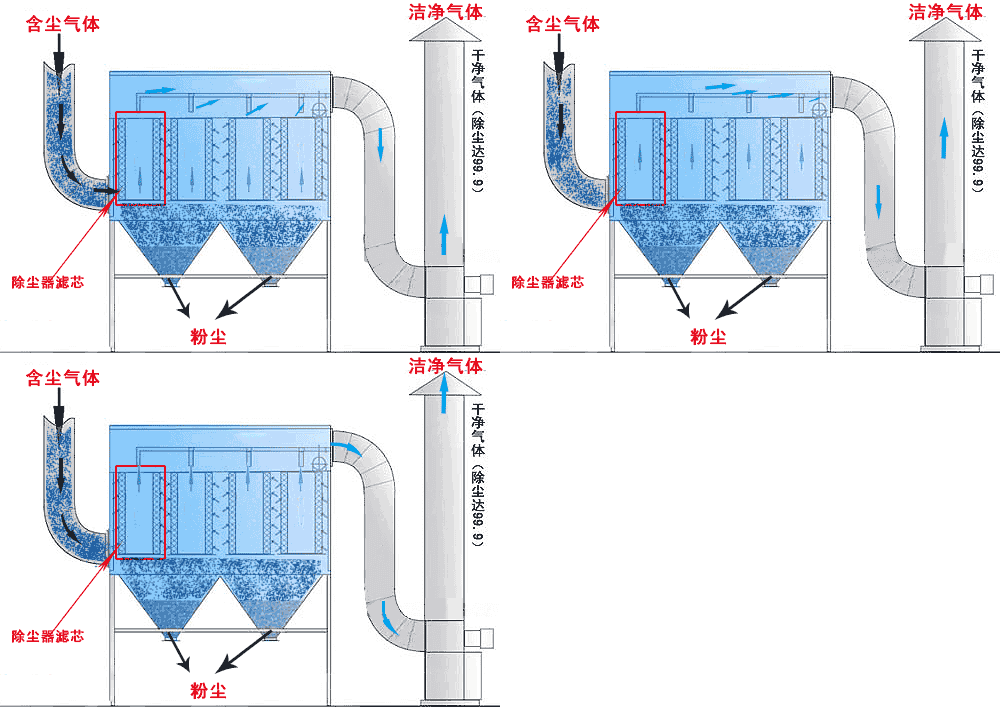
The pulse jet bag filter working principle unfolds in four sequential stages, each critical to effective dust removal and equipment longevity:
1. Dust Filtration Stage
The pulse jet bag filter working principle begins with contaminated gas entering the equipment through the air inlet. A distribution plate disperses the gas evenly into the filter chamber, where rows of filter bags (made of polyester, PTFE, or aramid) act as the primary filtration medium. As the gas passes through the filter bag fabric, dust particles—from coarse granules to fine powders (down to 1μm)—are trapped on the outer surface of the bags. Clean gas permeates the fabric and exits through the air outlet, completing the filtration step.
2. Dust Cake Buildup Stage
As filtration continues, trapped dust accumulates on the filter bags, forming a thin "dust cake." This cake enhances filtration precision by capturing smaller particles but also increases air resistance within the system. The pulse jet bag filter working principle relies on monitoring this resistance—when it reaches a preset threshold (typically 1000-1500 Pa), the cleaning stage is triggered to prevent reduced airflow and efficiency.
3. Pulse Jet Cleaning Stage
The cleaning stage is the defining part of the pulse jet bag filter working principle. When activated, the control system opens solenoid valves sequentially, releasing compressed air (at 0.4-0.6 MPa) from air storage bags into specially designed nozzles. Each nozzle delivers a short, high-velocity air pulse (0.1-0.2 seconds) into the corresponding filter bag. This pulse reverses the gas flow inside the bag, creating a shockwave that shakes off the dust cake from the bag surface.
A key feature of the
pulse jet bag filter working principle is that cleaning occurs sequentially—only one row of bags is cleaned at a time. This ensures the filter continues operating without shutdown, maintaining uninterrupted dust collection for 24/7 industrial processes.
4. Dust Discharge Stage
Dust dislodged during the cleaning stage falls into a dust hopper at the bottom of the filter. Level sensors in the hopper monitor dust accumulation; once full, a screw conveyor or star discharger activates to remove the collected dust, which can be recycled or disposed of safely. This final stage completes the cycle of the pulse jet bag filter working principle, preparing the system for another round of filtration.
Key Components Supporting the Pulse Jet Bag Filter Working Principle
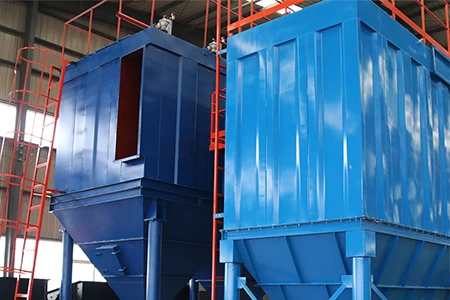
The pulse jet bag filter working principle depends on well-integrated components that optimize each stage of operation. Without these parts, the mechanism would fail to deliver consistent performance:
Filter Bags: The core filtration element. Material selection (e.g., PTFE for high temperatures, polyester for general use) directly impacts the pulse jet bag filter working principle by influencing dust capture and cleaning efficiency.
Pulse Jet System: Includes solenoid valves, air bags, and nozzles. This system controls the timing, pressure, and intensity of air pulses—critical to dislodging dust without damaging filter bags.
Control System: Automates the pulse jet bag filter working principle by monitoring air resistance and triggering cleaning cycles. It adjusts pulse frequency to match dust load, optimizing energy use.
Dust Hopper & Discharge Device: Ensures collected dust is removed promptly, preventing buildup that could disrupt the filtration and cleaning stages.
Factors Influencing the Pulse Jet Bag Filter Working Principle
Several key factors directly affect the effectiveness of the pulse jet bag filter working principle, requiring careful adjustment for optimal performance:
Compressed Air Pressure: Too low pressure fails to dislodge dust cakes; too high pressure damages filter bags. The ideal range (0.4-0.6 MPa) is central to the pulse jet bag filter working principle.
Pulse Duration & Frequency: Short pulses (0.1-0.2 seconds) avoid excessive air consumption, while frequency is adjusted based on dust load to balance cleaning and filtration.
Filter Bag Condition: Worn, torn, or clogged bags reduce filtration efficiency and disrupt the cleaning cycle, undermining the pulse jet bag filter working principle.
Gas Temperature & Humidity: High temperatures or moisture can damage filter bags or cause dust to stick, requiring specialized materials to maintain the pulse jet bag filter working principle.
Why the Pulse Jet Bag Filter Working Principle Stands Out
Compared to other dust collection technologies, the pulse jet bag filter working principle offers unique advantages: it enables continuous operation, achieves up to 99.9% filtration efficiency, and adapts to diverse dust types. By automating the cleaning process, the pulse jet bag filter working principle eliminates the need for frequent shutdowns, reducing operational costs and ensuring compliance with strict emission standards.
Conclusion
The
pulse jet bag filter working principle is a sophisticated balance of filtration and automated cleaning, designed to meet the rigorous demands of industrial dust collection. Understanding each stage of the pulse jet bag filter working principle—from dust trapping to pulse cleaning—helps operators optimize performance, extend equipment lifespan, and maintain environmental compliance. Whether in mining, cement, or chemical industries, mastering the pulse jet bag filter working principle is key to maximizing the equipment’s value and ensuring reliable dust control.