

In the world of aggregate processing, cleanliness matters. Sand straight from the source often contains clay, dust, silt, and organic impurities that compromise its quality for construction and industrial use. While large-scale washing plants dominate major operations, the small sand washing machine has emerged as a versatile and practical solution for projects where space, budget, and mobility are critical factors. This article explores the numerous advantages of small sand washing machines and why they represent an intelligent investment for many businesses.
What Is a Small Sand Washing Machine?
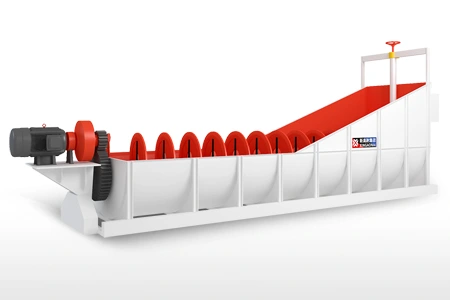
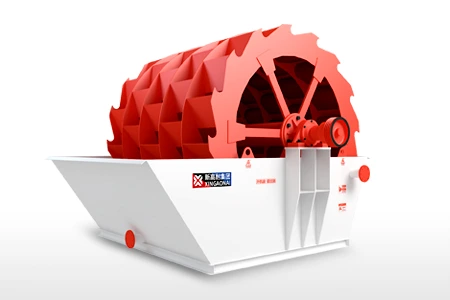
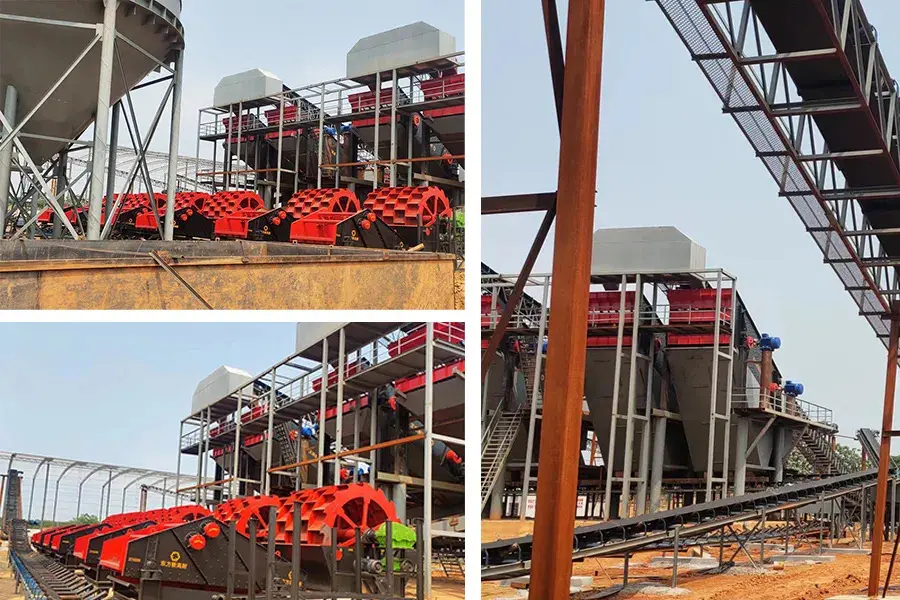
A small sand washing machine is a compact piece of equipment designed to clean sand by removing impurities through mechanical agitation and water flow. These machines typically process between 5 to 30 tons per hour, making them ideal for small to medium operations. They come in two primary configurations: wheel-type (bucket wheel) and spiral-type (screw), each offering distinct advantages depending on the application.
Key Advantages of Small Sand Washing Machines
1. Cost-Effectiveness and Lower Investment
One of the most compelling advantages of a small sand washing machine is its affordability. For smaller construction companies, contractors, or startups, investing in a large industrial washing plant may not be financially viable. A small sand washing machine requires significantly less initial capital, making quality sand processing accessible to businesses with limited budgets. This lower entry barrier allows smaller operators to compete effectively by offering cleaner, higher-value products.
2. Energy Efficiency and Reduced Operating Costs
Small sand washing machines consume substantially less power than their larger counterparts. With motor ratings typically ranging from 5 to 20 kW, these machines deliver efficient cleaning without the energy burden of industrial-scale equipment. This translates directly to lower electricity bills and improved profit margins over time. Additionally, the reduced power consumption aligns with sustainable business practices and can help meet environmental compliance goals.
3. Portability and Space-Saving Design
The compact footprint of a small sand washing machine is a game-changer for operations with limited space. Weighing between 2 to 5 tons, these machines can be easily transported via truck or trailer to remote or temporary job sites. This portability is particularly valuable for urban construction projects where space is at a premium, or for contractors who move between multiple sites. The ability to process sand on-site eliminates the need for transporting raw materials to off-site facilities, saving both time and money.
4. Simple Operation and Low Maintenance
Small sand washing machines feature straightforward designs that make them easy to operate with minimal training. The wheel-type design, in particular, offers simple operation and requires less frequent maintenance compared to more complex systems. Many models incorporate a novel sealing structure that isolates the transmission parts from water and sand, significantly reducing the failure rate. This reliability means less downtime and more consistent production.
5. Superior Cleaning Performance
Despite their size, small sand washing machines deliver impressive cleaning results. They effectively remove dust, clay, and other impurities, producing clean sand suitable for quality concrete, plastering, and bricklaying. The combination of mechanical agitation and water flow ensures thorough cleaning, with some models achieving 90–95% clean sand output -1. This level of purity directly impacts the structural integrity of construction projects, making washed sand essential for meeting industry standards.
6. Water Efficiency and Environmental Benefits
Modern small sand washing machines incorporate water recycling capabilities that significantly reduce consumption. Some designs feature closed-loop water systems that can reduce water usage by up to 40% during operation. When paired with settling tanks or sedimentation systems, these machines minimize wastewater discharge and help operations comply with environmental regulations. The low operating noise levels of many models also contribute to a better working environment and meet national environmental standards.
7. Versatility Across Applications
Small sand washing machines adapt to numerous scenarios, making them exceptionally versatile:
Small Aggregate Production Lines: Improving material purity for precast concrete and asphalt applications
Urban Construction Projects: Enabling on-site sand processing in space-constrained environments
Small Quarries and Mining Sites: Providing cost-effective cleaning without major infrastructure investment
Site Remediation: Removing contaminants from soil and sediment for environmental cleanup
Landscaping Projects: Producing clean sand for pavers, sandboxes, and artificial turf bases
Recycling Facilities: Recovering clean sand from construction and demolition waste
Wheel-Type vs. Spiral-Type: Choosing the Right Configuration
Understanding the advantages of each type helps in selecting the optimal small sand washing machine for specific needs:
| Feature | Wheel-Type | Spiral-Type |
|---|---|---|
| Cleaning Efficiency | Good, suitable for clean sand | Excellent, ideal for clay-laden materials |
| Power Consumption | Low | Higher |
| Space Requirements | Compact, space-saving | Bulkier, needs more room |
| Water Efficiency | High, excellent recycling | Moderate |
| Maintenance | Simple, minimal | More complex, frequent inspections |
| Best Applications | Small sites, mobile operations, limited power | Industrial processing, high-clay sand, consistent output |
Considerations for Optimal Performance
To maximize the advantages of a small sand washing machine, several factors deserve attention:
Pre-screening: Removing large debris before washing reduces wear on components and improves cleaning efficiency
Water Management: Integrating settling tanks or recycling systems enhances sustainability and regulatory compliance
Regular Maintenance: Inspecting impellers, bearings, and seals ensures long-term reliability
Correct Sizing: Matching machine capacity to daily processing needs prevents bottlenecks
Why Small Sand Washing Machines Are Ideal for Small-Medium Operations
The advantages of a small sand washing machine extend far beyond its compact dimensions. From cost-effectiveness and energy efficiency to portability and environmental responsibility, these machines offer compelling benefits for small to medium operations across construction, mining, recycling, and landscaping sectors. While they may not replace large industrial plants for massive-scale projects, their versatility and practicality make them invaluable tools for countless applications. By delivering clean, high-quality sand with minimal investment and operational complexity, the small sand washing machine proves that good things indeed come in small packages.