

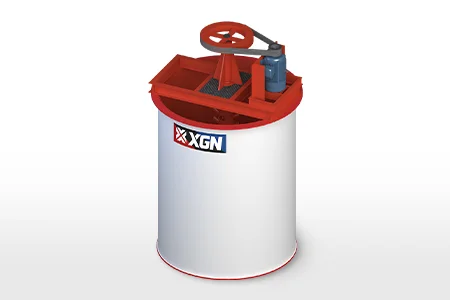
A tank agitator mixer is a vital industrial equipment designed to blend, stir, or homogenize fluids, slurries, or semi-solids within a tank or vessel. It is widely used across diverse industries, leveraging mechanical rotation to ensure uniform mixing, prevent sedimentation, and enhance process efficiency.
Unlike simple mixers, a tank agitator mixer is engineered to handle large volumes of materials and adapt to varying viscosities, making it an indispensable tool for batch and continuous production processes.
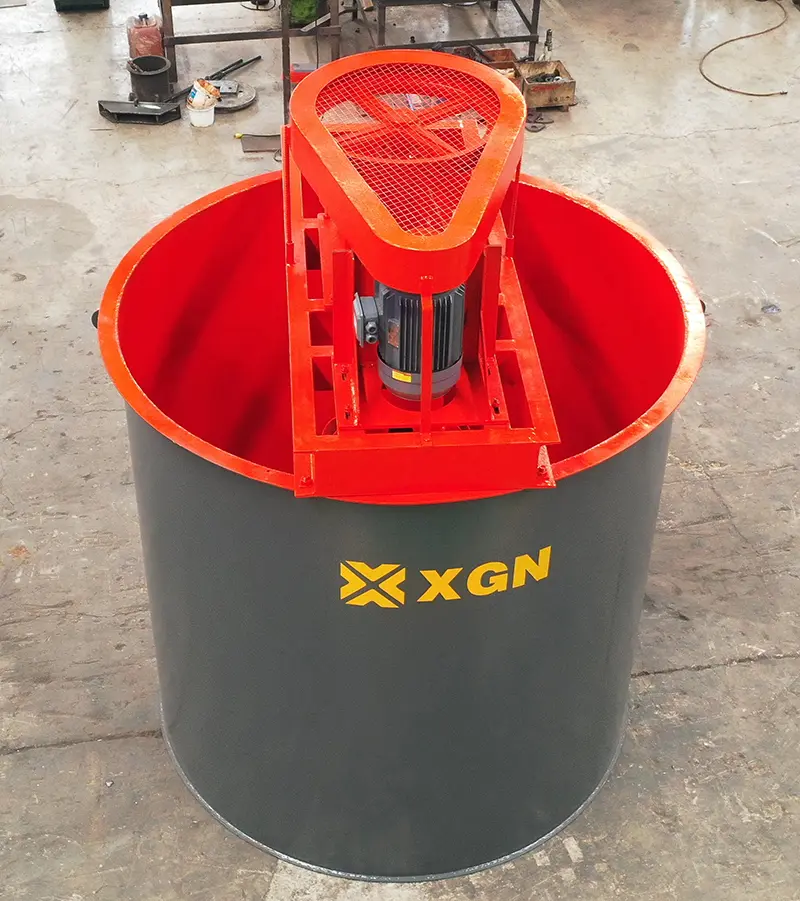
Core Components of a Tank Agitator Mixer
A high-performance tank agitator mixer relies on the coordinated operation of key components, each playing a critical role in ensuring effective mixing and long-term reliability.
1. Agitator Shaft
The agitator shaft is the backbone of a tank agitator mixer, connecting the drive system to the impeller. It is typically made of high-strength stainless steel or alloy steel to withstand torque and resist corrosion from harsh materials.
The shaft’s length and diameter are tailored to the tank size and mixing requirements, ensuring stable rotation even at high speeds.
2. Impeller (Agitator Blade)
The impeller, or agitator blade, is the primary mixing component of a tank agitator mixer. It is mounted at the bottom of the shaft and rotates to create fluid flow and shear force within the tank.
Common impeller types include propeller, turbine, anchor, and paddle—each designed for specific mixing tasks, such as homogenization, suspension, or dispersion.
3. Drive System
The drive system provides power to the tank agitator mixer, consisting of an electric motor, reducer (gearbox), couplings, and bearings. It controls the speed and torque of the agitator shaft and impeller.
Variable frequency drives (VFDs) are often integrated to adjust rotation speed, allowing the tank agitator mixer to adapt to different material viscosities and mixing needs.
4. Tank/Vessel
The tank or vessel is the container where mixing occurs, and its design complements the tank agitator mixer’s performance. Tanks are typically cylindrical (vertical or horizontal) with smooth interiors to minimize fluid resistance.
They are made of materials like stainless steel, carbon steel, or plastic, depending on the industry and the type of materials being mixed (e.g., corrosive chemicals, food products).
5. Sealing System
The sealing system prevents fluid leakage from the tank where the agitator shaft passes through the tank lid. It includes mechanical seals or packing glands, ensuring a tight seal even under high pressure or temperature.
This component is critical for maintaining process safety, especially when mixing hazardous or sterile materials.
6. Mounting Assembly
The mounting assembly secures the tank agitator mixer to the tank, available in top-mount, bottom-mount, or side-mount configurations. Top-mount is the most common, offering easy access for maintenance and optimal mixing coverage.
The assembly is designed to absorb vibration during operation, ensuring stability and reducing wear on components.
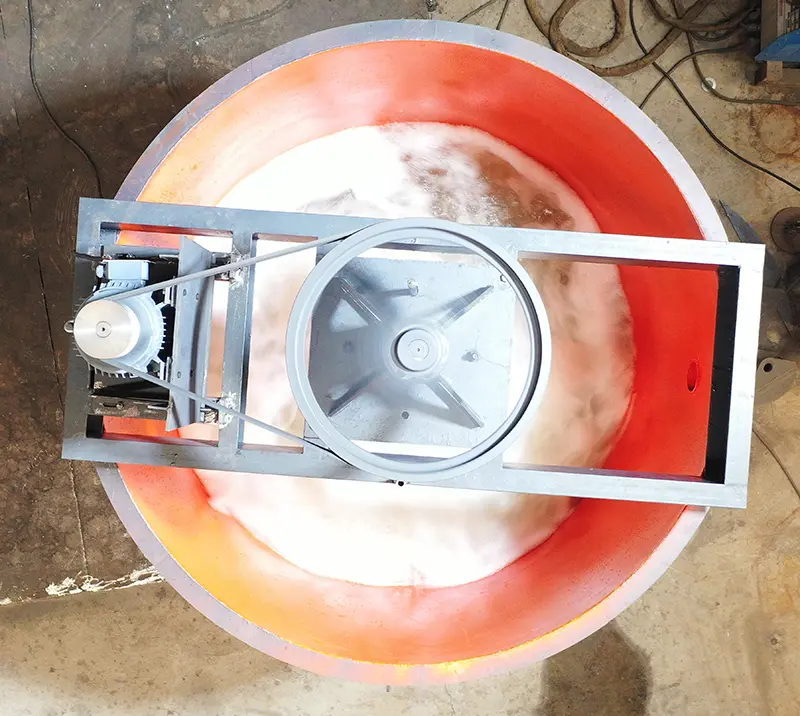
Working Principle of a Tank Agitator Mixer
The working principle of a tank agitator mixer is based on converting mechanical energy into fluid motion, creating uniform mixing through three key mechanisms: bulk flow, shear, and turbulence.
When the drive system powers the agitator shaft, the impeller rotates, pushing fluid outward and upward (or downward, depending on impeller type). This creates bulk flow, moving large volumes of material throughout the tank.
As the fluid passes over the impeller blades, shear force is generated, breaking down large particles or droplets into smaller ones. Turbulence occurs in the fluid, further enhancing mixing by disrupting layers and ensuring all components are evenly distributed.
The combination of these three mechanisms ensures that materials are homogenized, suspended, or dispersed efficiently, meeting the required process standards.
Key Benefits of Using a Tank Agitator Mixer
A tank agitator mixer offers numerous advantages over manual mixing or simpler equipment, making it a preferred choice for industrial applications.
1. Uniform Mixing & Consistency
Unlike manual mixing, a tank agitator mixer delivers consistent, uniform results every time. It eliminates human error and ensures that all materials are thoroughly blended, critical for product quality in industries like food, pharmaceutical, and chemical.
2. Increased Efficiency & Productivity
Tank agitator mixers handle large volumes of materials quickly, reducing mixing time and increasing production throughput. They operate continuously or in batches, adapting to the needs of the production line.
3. Versatility & Adaptability
A tank agitator mixer can handle a wide range of materials, from low-viscosity liquids (e.g., water, chemicals) to high-viscosity slurries (e.g., paints, adhesives) and semi-solids (e.g., food pastes). Changing impeller types or adjusting speed allows it to adapt to different mixing tasks.
4. Prevention of Sedimentation
For materials with suspended solids (e.g., ores, pigments), a tank agitator mixer prevents sedimentation by keeping particles in motion. This ensures uniform composition and avoids clumping or separation.
5. Cost-Effective & Low Maintenance
Tank agitator mixers are designed for durability and low maintenance, with fewer moving parts compared to complex mixing systems. Their long service life and minimal upkeep requirements reduce operational costs over time.
Industrial Applications of Tank Agitator Mixer
Thanks to its versatility and efficiency, a tank agitator mixer is widely used across various industries, playing a critical role in production processes.
1. Chemical Industry
In the chemical industry, tank agitator mixers are used to blend chemicals, disperse pigments, homogenize solutions, and mix reactants. They are essential for producing paints, detergents, fertilizers, and chemical intermediates.
2. Food & Beverage Industry
Food and beverage manufacturers use tank agitator mixers to mix ingredients for sauces, dressings, beverages, bakery dough, and dairy products. They ensure product consistency and meet food safety standards.
3. Pharmaceutical Industry
In pharmaceutical production, tank agitator mixers are used to mix active pharmaceutical ingredients (APIs) with excipients, homogenize liquids, and prepare sterile solutions. They comply with GMP standards to ensure product purity and safety.
4. Water & Wastewater Treatment
Water and wastewater treatment facilities use tank agitator mixers to mix chemicals (e.g., coagulants, flocculants) with water, ensuring effective purification. They also prevent sedimentation in storage tanks.
5. Mining & Mineral Processing
In mining, tank agitator mixers are used to mix ore slurries, disperse reagents, and prepare flotation mixtures. They enhance the efficiency of mineral separation and extraction processes.
Conclusion
A tank agitator mixer is a versatile, efficient industrial tool designed to meet the mixing needs of diverse industries. Its robust components, reliable working principle, and numerous benefits make it indispensable for ensuring product quality, increasing productivity, and reducing operational costs.
Whether used for blending chemicals, mixing food ingredients, or treating wastewater, a tank agitator mixer delivers consistent, uniform results, making it a cornerstone of modern industrial production processes.