

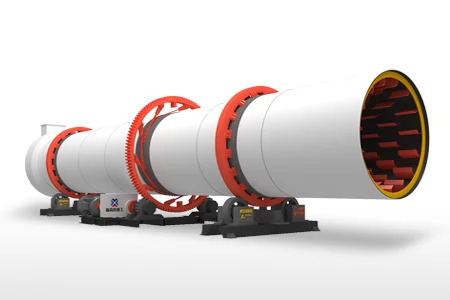
Rotary dryer flight design is a critical engineering aspect of industrial rotary dryers, the equipment used to remove moisture from bulk materials such as ores, aggregates, fertilizers, and biomass. Flights—also known as lifters—are the internal, helical or radial components attached to the inner wall of the rotary dryer’s drum. Their design directly impacts the dryer’s thermal efficiency, material handling capacity, drying uniformity, and overall operational performance. A well-optimized rotary dryer flight design ensures that materials are evenly exposed to hot air, minimizing drying time, reducing energy consumption, and extending the service life of both the flights and the entire dryer system.
Unlike generic internal components, rotary dryer flights are tailored to the specific characteristics of the material being dried (particle size, moisture content, density) and the dryer’s operational parameters (drum speed, temperature, airflow). Poor rotary dryer flight design can lead to material buildup, uneven drying, hot spots, excessive wear, and increased energy costs—making it essential to understand the core principles and best practices of flight design for industrial applications.
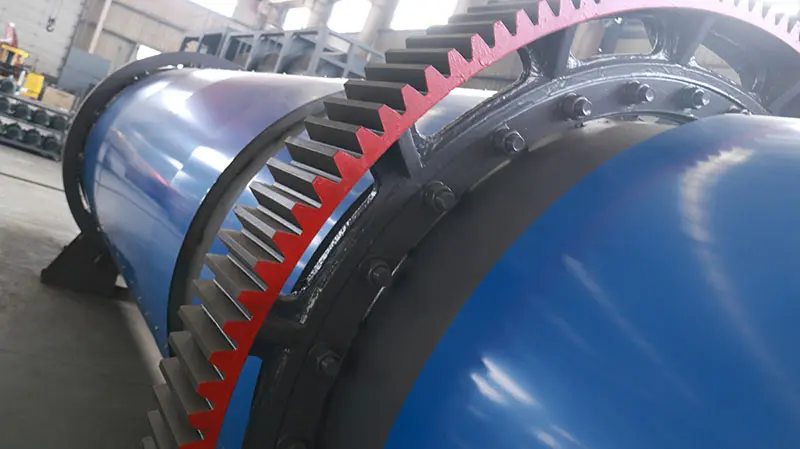
Core Principles of Rotary Dryer Flight Design
The success of rotary dryer flight design relies on three fundamental principles, all focused on maximizing heat transfer between hot air and the material, while ensuring smooth, efficient material movement through the drum:
1. Material Lifting & Cascading
The primary goal of rotary dryer flight design is to lift the material as the drum rotates and then cascade it uniformly through the hot air stream inside the dryer. This cascading action creates a thin, uniform curtain of material, maximizing the surface area exposed to heat and ensuring consistent moisture removal. The flight’s shape, size, and spacing are engineered to achieve the optimal cascade—too little lifting results in poor heat exposure, while too much lifting can cause material entrainment (particles being carried out with the exhaust air).
2. Heat Transfer Optimization
Rotary dryer flight design directly influences heat transfer efficiency, which is the backbone of effective drying. Flights must be designed to slow the material’s movement through the drum just enough to allow sufficient heat exposure, without causing stagnation or buildup. Additionally, the flight’s surface area and orientation can be optimized to enhance heat conduction, as some flight materials (such as steel alloys) can absorb and transfer heat to the material, further improving drying efficiency.
3. Wear Resistance & Durability
Industrial rotary dryers operate in harsh environments, with flights subjected to constant abrasion from bulk materials, high temperatures, and mechanical stress. Rotary dryer flight design must prioritize durability, using wear-resistant materials and robust geometries to withstand these conditions. The design should also minimize material buildup, which can cause uneven wear and increase maintenance requirements.
Key Functions of Rotary Dryer Flights
Beyond lifting and cascading material, well-designed rotary dryer flights perform several critical functions that contribute to the dryer’s overall efficiency and reliability:
1. Material Conveyance
Flights guide the material through the dryer drum at a controlled rate, ensuring that it spends the optimal amount of time in the drying zone. The helical or radial design of the flights pushes the material forward as the drum rotates, preventing backflow and ensuring a continuous, steady throughput.
2. Drying Uniformity
By creating a uniform cascade of material, rotary dryer flights ensure that every particle is exposed to the same amount of hot air, resulting in consistent moisture content in the final product. This eliminates wet spots and reduces the need for reprocessing, improving overall production efficiency.
3. Prevention of Material Buildup
Proper rotary dryer flight design includes features to scrape the inner drum wall as the drum rotates, preventing material from sticking and building up. Buildup can reduce the dryer’s effective volume, decrease heat transfer efficiency, and cause unbalanced rotation—leading to increased vibration and wear.
4. Protection of Drum Wall
Flights act as a barrier between the abrasive material and the dryer’s drum wall, reducing direct wear on the drum. This extends the service life of the drum and reduces maintenance costs associated with drum repairs or replacement.
Common Types of Rotary Dryer Flight Designs
Rotary dryer flight designs vary based on the material type, dryer size, and operational goals. The most common designs are tailored to specific material characteristics and drying requirements, including:
1. Radial Flights (Straight Lifters)
Radial flights are the simplest rotary dryer flight design, featuring straight, radial blades attached perpendicular to the drum’s inner wall. They are ideal for large, coarse materials (such as aggregates and ores) that are easy to lift and cascade. Radial flights are cost-effective, easy to manufacture, and resistant to wear, making them a popular choice for heavy-duty industrial applications. However, they are less effective for fine or sticky materials, which may not cascade evenly.
2. Helical Flights
Helical flights are designed with a spiral (helical) shape, which combines material lifting with forward conveyance. This rotary dryer flight design is ideal for fine, powdery, or sticky materials (such as fertilizers, biomass, and cement), as the helical shape ensures smooth material movement and minimizes buildup. Helical flights also allow for precise control of the material’s residence time in the dryer, optimizing drying efficiency for materials with varying moisture content.
3. Combination Flights
Combination flights blend the features of radial and helical designs, featuring radial lifting sections and helical conveyance sections. This rotary dryer flight design offers versatility, making it suitable for mixed-material applications or materials that change characteristics during drying (e.g., from wet and sticky to dry and powdery). Combination flights provide both effective lifting/cascading and efficient conveyance, balancing performance and flexibility.
4. Pocket Flights (Cup Lifters)
Pocket flights—also called cup lifters—feature a curved, cup-like design that traps and lifts material more effectively than straight flights. This rotary dryer flight design is ideal for fine, lightweight materials (such as biomass, flour, and small pellets) that are difficult to lift with radial flights. The cup shape ensures that the material is held securely until it reaches the top of the drum, where it cascades uniformly through the hot air stream, maximizing heat exposure.
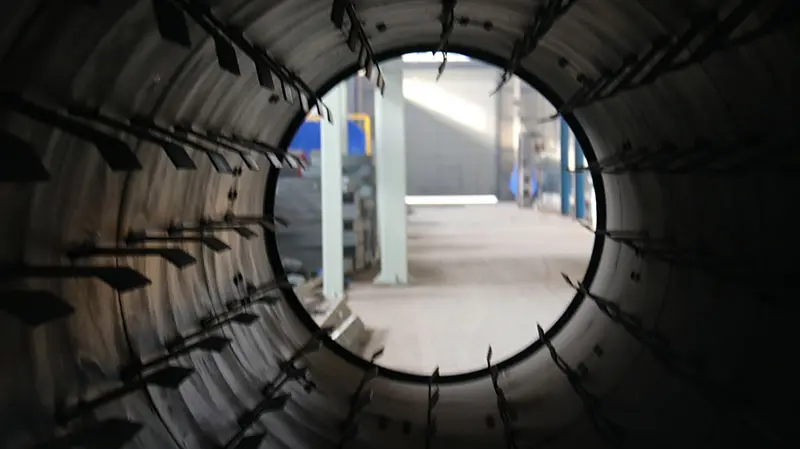
Key Considerations for Rotary Dryer Flight Design
When designing or optimizing rotary dryer flights, several critical factors must be considered to ensure compatibility with the material and dryer system. These considerations directly impact the flight’s performance and the dryer’s overall efficiency:
1. Material Characteristics
The material’s particle size, moisture content, density, and stickiness are the most important factors in rotary dryer flight design. Coarse, dense materials require robust, radial flights for effective lifting, while fine, sticky materials need helical or pocket flights to prevent buildup and ensure uniform cascading.
2. Dryer Drum Size & Speed
The dryer’s drum diameter, length, and rotational speed influence the flight’s size, spacing, and shape. Larger drums require longer, wider flights to lift sufficient material, while faster drum speeds may require shorter flights to prevent material entrainment. Rotary dryer flight design must be balanced with the drum’s operational parameters to achieve optimal performance.
3. Flight Material & Thickness
The material used for flights depends on the abrasiveness of the material being dried. Common materials include carbon steel, manganese steel, and stainless steel—each offering different levels of wear resistance and heat tolerance. The flight’s thickness is also critical: thicker flights are more durable but may reduce the dryer’s internal volume, while thinner flights are lighter but wear more quickly.
4. Flight Spacing & Orientation
The spacing between flights and their orientation (angle relative to the drum wall) determine the material’s cascade pattern and residence time. Closely spaced flights are ideal for fine materials, while wider spacing works better for coarse materials. The angle of the flights can be adjusted to control the material’s forward speed and cascading height.
Maintenance & Optimization Tips for Rotary Dryer Flights
Even the best rotary dryer flight design requires regular maintenance to ensure long-term performance and durability. Follow these tips to optimize flight performance and extend their service life:
1. Regular Inspection
Conduct weekly visual inspections of the flights to check for wear, damage, or buildup. Look for signs of bending, cracking, or excessive thinning—common issues caused by abrasive materials or unbalanced drum rotation. Addressing these issues early prevents further damage to the flights and dryer drum.
2. Cleaning & Buildup Removal
Remove material buildup from the flights and drum wall regularly using scrapers, air compressors, or high-pressure water (where applicable). Buildup reduces heat transfer efficiency and causes uneven wear, so keeping flights clean is essential for optimal rotary dryer performance.
3. Wear Part Replacement
Replace worn flights or flight components before they become too damaged to function effectively. Delayed replacement can lead to poor drying performance, increased energy consumption, and damage to the dryer drum. Use high-quality replacement parts that match the original rotary dryer flight design for optimal compatibility.
4. Adjustments for Changing Material Conditions
If the material’s characteristics (moisture content, particle size) change, adjust the dryer’s operational parameters (speed, temperature) or modify the flight design to maintain efficiency. For example, sticky materials may require additional scraping features or a change in flight spacing.
Industrial Applications of Optimized Rotary Dryer Flight Design
A well-designed rotary dryer flight system is essential in various industries where efficient bulk material drying is critical. Common applications include:
1. Mining & Aggregate Processing
In mining and aggregate operations, rotary dryer flights are designed to handle coarse, abrasive materials such as ores, gravel, and sand. Radial or combination flights are typically used to ensure effective lifting and cascading, while wear-resistant materials (manganese steel) extend flight life in harsh mining environments.
2. Chemical & Fertilizer Industry
Chemical and fertilizer plants use rotary dryers to dry fine, powdery materials such as fertilizers, salts, and chemical intermediates. Helical or pocket flights are preferred for these applications, as they prevent buildup and ensure uniform drying—critical for maintaining product quality.
3. Biomass & Renewable Energy
Biomass drying (e.g., wood chips, pellets, agricultural waste) requires gentle handling to avoid material degradation. Pocket or helical rotary dryer flight designs are ideal, as they lift and cascade biomass uniformly without causing excessive breakage, while optimizing heat transfer to remove moisture efficiently.
4. Cement & Building Materials
Cement plants use rotary dryers to dry raw materials such as limestone, clay, and gypsum. Combination flights are often used, as they handle the varying material characteristics (from wet and sticky to dry and powdery) and ensure consistent drying for optimal cement production.
Conclusion
Rotary dryer flight design is a pivotal factor in the performance, efficiency, and durability of industrial rotary dryers. By adhering to core design principles, selecting the right flight type for the material, and considering key operational factors, you can optimize heat transfer, minimize energy consumption, and ensure uniform drying of bulk materials.