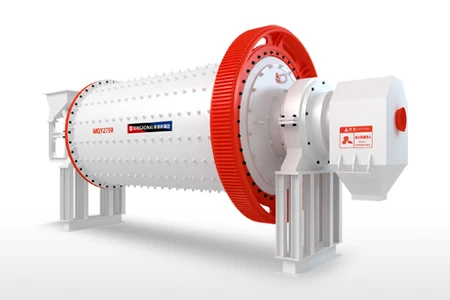
Ball mill capacity calculation is a critical process for determining the maximum volume of bulk materials (such as ores, minerals, and powders) that a ball mill can process per unit time. As a core component in grinding and material processing lines,
ball mills are widely used in mining, metallurgy, chemical engineering, cement production, and pharmaceutical industries. Accurate ball mill capacity calculation ensures optimal equipment utilization, reduces operational costs, prevents overloading, and aligns the mill’s performance with downstream production requirements.
Unlike generic volume calculations, ball mill capacity calculation takes into account multiple variables, including the mill’s physical parameters, grinding media characteristics, material properties, and operational conditions. A miscalculation can lead to underutilization (wasting energy and resources) or overloading (causing excessive wear, equipment damage, and unplanned downtime). Understanding the core methods, key factors, and best practices of ball mill capacity calculation is essential for industrial operators and engineers to optimize their grinding processes.
Core Methods of Ball Mill Capacity Calculation
There are two primary methods for ball mill capacity calculation: theoretical calculation (based on fundamental engineering principles) and empirical calculation (derived from practical operational data and industry standards). Both methods are widely used in industrial settings, and their application depends on the availability of data and the specific type of ball mill (wet or dry, batch or continuous).
1. Theoretical Capacity Calculation Formula
The theoretical ball mill capacity calculation is based on the mill’s internal volume, rotational speed, grinding media filling rate, and the material’s grindability. The most commonly used theoretical formula for continuous ball mill capacity calculation is:
$$C = K \times V \times F \times S \times \rho$$
Where:
$$C$$ = Ball mill capacity (tons per hour, t/h)
$$K$$ = Capacity factor (depends on the material’s grindability and mill type; typically 0.6–0.9 for ores, 0.7–1.0 for powders)
$$V$$ = Internal volume of the ball mill (cubic meters, m³)
$$F$$ = Grinding media filling rate (percentage of the mill’s internal volume occupied by grinding balls; usually 30–45%)
$$S$$ = Mill rotational speed (revolutions per minute, RPM)
$$\rho$$ = Bulk density of the material (tons per cubic meter, t/m³)
This formula provides a baseline for ball mill capacity calculation, but it must be adjusted based on real-world conditions, as theoretical assumptions (e.g., uniform material distribution, ideal grinding media movement) rarely match industrial operations.
2. Empirical Capacity Calculation Formula
Empirical ball mill capacity calculation formulas are derived from years of industrial practice, accounting for variables that theoretical formulas often overlook (e.g., material moisture content, particle size distribution, and mill wear). The most widely used empirical formula is:
$$C = 0.06 \times D^{2.5} \times L \times N \times \sqrt{d}$$
Where:
$$C$$ = Ball mill capacity (t/h)
$$D$$ = Mill diameter (meters, m)
$$L$$ = Mill length (meters, m)
$$N$$ = Mill rotational speed (RPM)
$$d$$ = Average diameter of grinding balls (millimeters, mm)
Empirical formulas are preferred for practical applications because they incorporate real operational data, making them more accurate for specific materials and mill configurations. For wet ball mills, an additional correction factor (0.8–0.9) is applied to account for the presence of water, which affects material flow and grinding efficiency.
Key Factors Affecting Ball Mill Capacity
Ball mill capacity calculation is not a static process—several variables can significantly impact the mill’s actual output, even if the theoretical or empirical calculation is accurate. These factors must be considered during calculation and operational optimization:
1. Ball Mill Physical Parameters
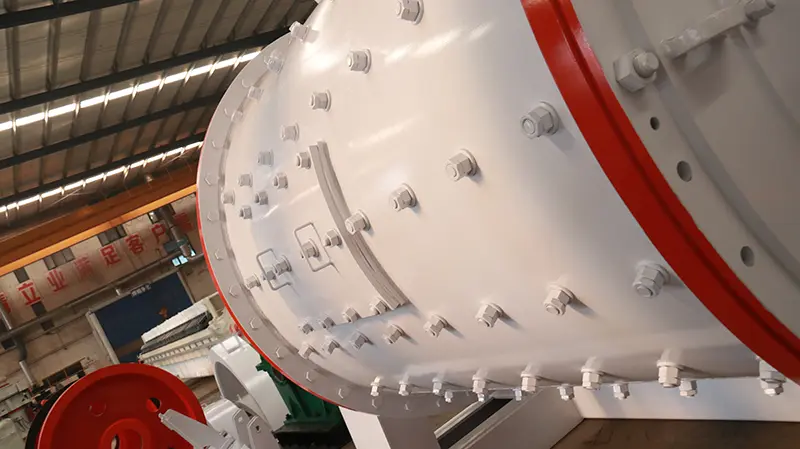
The mill’s diameter and length are the most influential physical factors: larger diameter mills provide more grinding surface area, while longer mills allow for extended material residence time (improving grinding efficiency and capacity). Additionally, the mill’s liner design (smooth vs. lifter liners) affects material movement—lifter liners promote better grinding media circulation, increasing capacity by 5–15% compared to smooth liners.
2. Grinding Media Characteristics
Grinding media (steel balls, ceramic balls) directly impact ball mill capacity. Factors include: filling rate (optimal 30–45%, as too high a rate reduces material movement; too low reduces grinding efficiency), ball size distribution (a mix of large and small balls ensures effective grinding of coarse and fine particles), and material (steel balls are more durable for hard ores, while ceramic balls are used for sensitive materials to avoid contamination).
3. Material Properties
The material being ground is a critical variable in
ball mill capacity calculation: grindability (harder materials require more energy and time, reducing capacity), moisture content (materials with 8–12% moisture tend to stick to the mill liner, reducing capacity by 10–20%), and feed particle size (larger feed particles require more grinding, lowering capacity—pre-crushing materials to <10mm can increase capacity by 20–30%).
4. Operational Conditions
Operational parameters such as rotational speed, feed rate, and airflow (for dry mills) affect capacity. The optimal rotational speed is 70–80% of the critical speed (the speed at which grinding balls stick to the mill wall); speeds above or below this range reduce capacity. A steady, uniform feed rate ensures consistent material flow—fluctuations can cause overloading or underutilization. For dry mills, adequate airflow removes fine particles and heat, preventing buildup and maintaining capacity.
5. Mill Wear and Maintenance
Worn liners and grinding media reduce grinding efficiency and capacity—liner wear of 10mm or more can decrease capacity by 15–25%. Regular maintenance (liner replacement, grinding media replenishment, and mill alignment) ensures the mill operates at peak performance, aligning actual capacity with calculated capacity.
Optimization Tips to Maximize Ball Mill Capacity
Once ball mill capacity calculation is complete, optimizing operational and design factors can help achieve or exceed the calculated capacity, reducing costs and improving productivity:
1. Optimize Grinding Media
Use a balanced ball size distribution (e.g., 30% large balls, 40% medium balls, 30% small balls) to match the feed particle size. Regularly replenish worn grinding balls and adjust the filling rate to maintain optimal levels (35–40% for most applications).
2. Improve Feed Preparation
Pre-crush feed materials to a uniform particle size (<10mm) using primary or secondary crushers. Dry materials with high moisture content (above 12%) before feeding to the mill to prevent liner buildup and improve material flow.
3. Adjust Operational Parameters
Calibrate the mill’s rotational speed to 70–80% of the critical speed. Maintain a steady feed rate using a vibrating feeder, and optimize airflow (for dry mills) to remove fine particles and heat. For wet mills, adjust the water-to-material ratio to ensure optimal grinding and material flow.
4. Regular Maintenance
Inspect liners weekly for wear and replace them when necessary. Check grinding media size and quantity monthly, and replenish as needed. Keep the mill’s internal components clean to prevent material buildup, which reduces effective volume and capacity.
Industrial Applications of Ball Mill Capacity Calculation
Accurate ball mill capacity calculation is essential in industries where grinding is a critical step, ensuring optimal equipment performance and production efficiency:
1. Mining & Mineral Processing
In mining operations, ball mill capacity calculation is used to determine the number of mills required to process ore from crushers. For example, gold and copper mines rely on ball mills to grind ore into fine particles for mineral extraction—accurate capacity calculation ensures the mill can handle the ore volume, maximizing mineral recovery.
2. Cement Production
Cement plants use ball mills to grind clinker, limestone, and gypsum into fine powder (cement). Ball mill capacity calculation ensures the mill can produce the required volume of cement to meet production targets, while optimizing energy consumption (cement grinding accounts for 40–50% of a plant’s total energy use).
3. Chemical & Pharmaceutical Industries
In chemical and pharmaceutical manufacturing, ball mills grind raw materials into fine powders for use in formulations. Accurate capacity calculation ensures consistent production of high-quality powders, while preventing overloading (which can contaminate materials or damage the mill).
4. Aggregate & Construction Materials
Aggregate plants use ball mills to grind sand, gravel, and crushed stone into fine aggregates for concrete and asphalt. Ball mill capacity calculation ensures the mill can produce the required volume of aggregates, meeting construction project timelines and quality standards.
Common Mistakes in Ball Mill Capacity Calculation
Avoid these common errors to ensure accurate ball mill capacity calculation:
Ignoring material moisture content: Wet materials reduce capacity, but many calculations use dry material density, leading to overestimation.
Using incorrect grinding media filling rate: Filling rates outside the 30–45% range significantly reduce capacity.
Overlooking mill wear: Worn liners and grinding media reduce actual capacity, but calculations often use new component specifications.
Neglecting operational variables: Fluctuations in feed rate, rotational speed, or airflow are not accounted for in static calculations.
Conclusion
Ball mill capacity calculation is a foundational process for optimizing grinding operations in industrial settings. By using the right theoretical or empirical formula, accounting for key influencing factors, and implementing optimization strategies, operators and engineers can ensure their ball mills operate at peak capacity—reducing energy consumption, minimizing downtime, and maximizing productivity.
Accurate ball mill capacity calculation is not a one-time task; it requires regular reassessment as material properties, operational conditions, and equipment wear change. By integrating capacity calculation into routine maintenance and operational planning, industries can unlock the full potential of their ball mill systems, making them more efficient, cost-effective, and reliable.