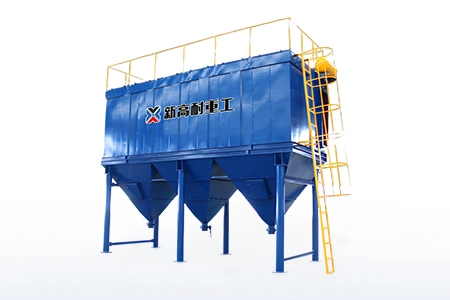
Pulse jet bag filters are widely used in industrial dust collection systems, playing a critical role in maintaining air quality, complying with environmental regulations, and protecting equipment and personnel. The effectiveness of a pulse jet bag filter largely depends on its design—from component selection to structural layout, every detail influences dust collection efficiency, filter bag lifespan, and operational cost. Understanding
pulse jet bag filter design is essential for engineers, plant managers, and maintenance technicians tasked with implementing or optimizing dust control systems.
Unlike other filter types, pulse jet bag filters use high-pressure air pulses to clean filter bags, ensuring continuous operation without frequent shutdowns. This unique cleaning mechanism makes them suitable for high-volume dust loads, corrosive environments, and a wide range of industrial applications, including mining, cement production, chemical processing, and metal smelting. This article explores the core elements of pulse jet bag filter design, key considerations, optimization strategies, and the impact of design choices on overall performance.
What is a Pulse Jet Bag Filter?
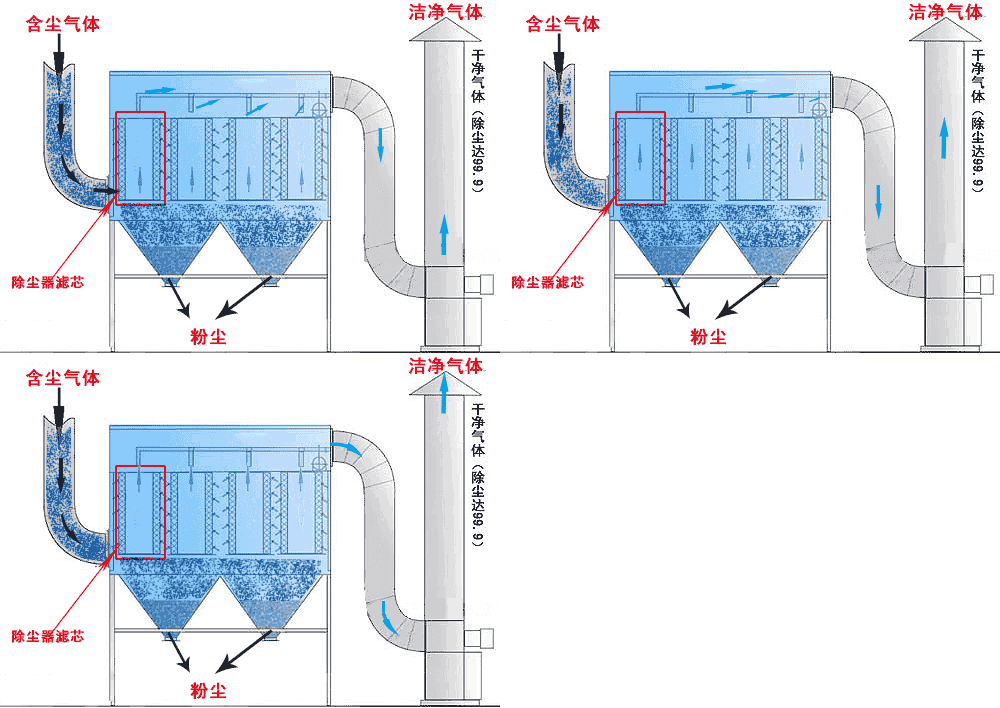
A pulse jet bag filter is a dry dust collection device that uses filter bags to trap solid particles from gas streams. Its design focuses on efficient dust filtration and automated cleaning, allowing for continuous operation even in high-dust environments. The filter works by drawing dusty gas into a housing, where particles are trapped on the surface of filter bags, while clean gas passes through the bag material and is discharged. When the pressure drop across the bags reaches a set threshold, high-pressure air pulses are released to dislodge dust from the bag surfaces, which then falls into a hopper for disposal.
The design of a pulse jet bag filter must balance filtration efficiency, cleaning effectiveness, and durability to meet the specific needs of each industrial application.
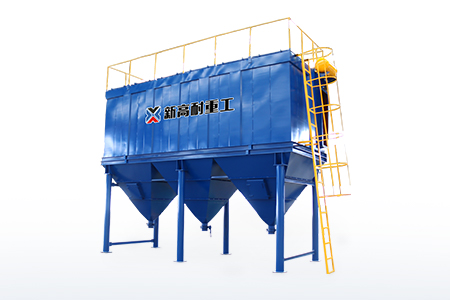
Key Components of Pulse Jet Bag Filter Design
Pulse jet bag filter design relies on several critical components that work together to ensure efficient dust collection and cleaning. Each component’s design and selection directly impact the filter’s performance and lifespan:
1. Filter Housing
The filter housing (or casing) is the outer structure that encloses all internal components. Its design must be robust enough to withstand the operating pressure and temperature of the application, while also preventing air leakage. The housing is typically divided into two sections: the dirty gas plenum (where dusty gas enters) and the clean gas plenum (where filtered gas exits). The size and shape of the housing are determined by the gas flow rate and the number of filter bags, ensuring uniform gas distribution across all bags to avoid uneven dust loading.
2. Filter Bags
Filter bags are the heart of pulse jet bag filter design, as they are responsible for trapping dust particles. The design of the filter bags—including material, size, and shape—depends on the type of dust, operating temperature, and gas composition. Common filter bag materials include polyester, polypropylene, PTFE, and aramid, each suited for specific conditions (e.g., high temperatures, corrosive gases). The bags are usually cylindrical, with a diameter and length tailored to the gas flow rate and dust load, ensuring maximum filtration area and minimal pressure drop.
3. Bag Cages
Bag cages (or bag frames) are cylindrical structures inserted inside filter bags to keep them open during filtration and cleaning. Their design must be lightweight yet sturdy, preventing bag collapse while allowing easy insertion and removal. The cage’s surface is often smooth to avoid damaging the filter bag material, and it is sized to fit snugly inside the bag to maximize filtration area. In pulse jet bag filter design, bag cages play a key role in ensuring uniform air flow and effective cleaning.
4. Pulse Jet Cleaning System
The pulse jet cleaning system is a defining feature of
pulse jet bag filter design, responsible for removing dust from filter bags without shutting down the system. It consists of a compressed air source, air header (or manifold), pulse valves, and nozzles. The design of this system includes setting the pulse pressure, frequency, and duration—parameters that directly affect cleaning efficiency and filter bag lifespan. High-quality pulse valves are critical, as they control the release of air pulses with precision, ensuring thorough cleaning without damaging the bags.
5. Tube Sheet
The tube sheet is a plate that separates the dirty gas plenum from the clean gas plenum, with holes for filter bags to pass through. Its design must be precise, with holes aligned to ensure a tight seal between the bag and the plate, preventing dusty gas from bypassing the filter bags. The tube sheet is typically made of corrosion-resistant material to withstand harsh operating conditions, and its thickness is determined by the number of bags and the operating pressure.
6. Hopper and Discharge System
The hopper is located at the bottom of the filter housing, collecting dust dislodged during the cleaning process. Its design must facilitate dust flow to the discharge system, preventing dust buildup and clogging. Common hopper designs include conical or pyramidal shapes, with steep angles to ensure gravity-assisted dust flow. The discharge system—often a rotary airlock or screw conveyor—must be designed to remove dust without allowing air to enter the hopper, which would disrupt filtration efficiency.
Key Considerations in Pulse Jet Bag Filter Design
Designing an effective pulse jet bag filter requires careful consideration of several factors to ensure it meets the specific needs of the application and operates efficiently over time:
1. Gas Flow Rate and Velocity
The gas flow rate is a primary factor in pulse jet bag filter design, as it determines the size of the filter, the number of filter bags, and the air velocity through the bags. Excessively high velocity can increase pressure drop, damage filter bags, and reduce filtration efficiency, while low velocity may result in inadequate dust collection. The design must balance flow rate with filter area to maintain optimal velocity (typically 0.5–2 m/min) through the filter bags.
2. Dust Characteristics
The properties of the dust—including particle size, shape, density, and moisture content—directly influence pulse jet bag filter design. Fine, cohesive dust may require smaller filter bag pores or more frequent cleaning, while abrasive dust may necessitate thicker, more durable bag materials. High-moisture dust can cause bag clogging, so the design may include heating elements or insulation to prevent moisture buildup.
3. Operating Temperature and Pressure
The operating temperature and pressure of the gas stream dictate the selection of materials for the filter housing, filter bags, and other components. High-temperature applications (above 120°C) require heat-resistant bag materials (e.g., PTFE, aramid), while corrosive gases may require stainless steel or coated components. The housing design must also withstand the operating pressure, with proper sealing to prevent air leakage.
4. Cleaning Efficiency
The design of the pulse jet cleaning system is critical to maintaining filter efficiency. Factors such as pulse pressure (typically 0.3–0.6 MPa), pulse frequency (1–10 pulses per minute), and pulse duration (0.1–0.3 seconds) must be optimized based on the dust type and load. Over-cleaning can damage filter bags and increase energy consumption, while under-cleaning leads to high pressure drop and reduced airflow.
5. Maintenance and Accessibility
Pulse jet bag filter design should prioritize ease of maintenance, as regular bag replacement and system inspection are essential for long-term performance. The design may include access doors, removable bag cages, and a modular layout to allow for easy replacement of filter bags and components, reducing downtime.
Optimization Tips for Pulse Jet Bag Filter Design
To maximize the efficiency, lifespan, and cost-effectiveness of a pulse jet bag filter, consider the following design optimization tips:
Select the right filter bag material based on the application’s temperature, dust type, and chemical environment to extend bag lifespan and improve filtration efficiency.
Optimize the pulse cleaning parameters (pressure, frequency, duration) to balance cleaning effectiveness and bag durability, reducing energy consumption and maintenance costs.
Ensure uniform gas distribution across the filter bags by designing the housing and inlet duct to avoid dead zones and uneven dust loading.
Incorporate a pressure drop monitoring system to adjust cleaning frequency automatically, ensuring optimal performance and reducing unnecessary cleaning cycles.
Design the hopper and discharge system with steep angles and proper sealing to prevent dust buildup and air ingress, maintaining filtration efficiency.
Conclusion
Pulse jet bag filter design is a complex process that requires careful consideration of component selection, operational parameters, and application-specific needs. A well-designed pulse jet bag filter delivers high dust collection efficiency, long filter bag lifespan, and low operational costs, making it an essential component of industrial dust control systems.
By understanding the key components, design considerations, and optimization strategies, engineers and plant managers can design or modify pulse jet bag filters to meet environmental regulations, protect equipment and personnel, and ensure reliable, efficient operation. As industries continue to prioritize sustainability and air quality, the importance of thoughtful pulse jet bag filter design will only grow.