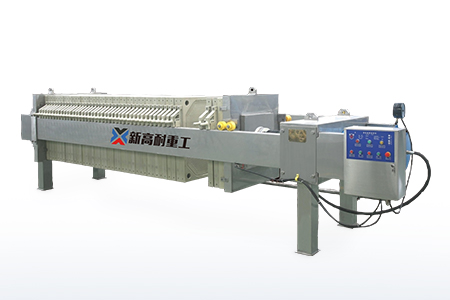
The plate and frame filter press is a versatile and efficient solid-liquid separation equipment widely used in various industrial sectors. Its ability to separate solids from liquids with high clarity, low moisture content in filter cakes, and stable performance makes it an indispensable tool in processes that require purification, concentration, or waste treatment. Understanding the application of
plate and frame filter press is crucial for plant managers, engineers, and operators, as it helps optimize process efficiency, reduce waste, and comply with environmental standards.
Unlike other filtration equipment, the plate and frame filter press uses pressure to force the suspension through filter media, producing dry filter cakes and clear filtrate. This unique working principle makes it suitable for a wide range of materials, from fine slurries to viscous suspensions. In this article, we explore the main industrial applications of plate and frame filter press, their key benefits, and practical considerations for optimal use.
What is a Plate and Frame Filter Press?
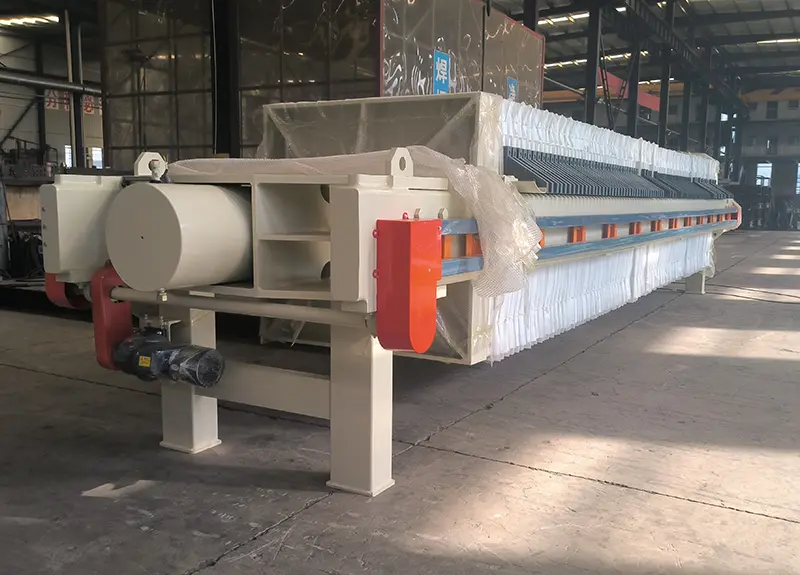
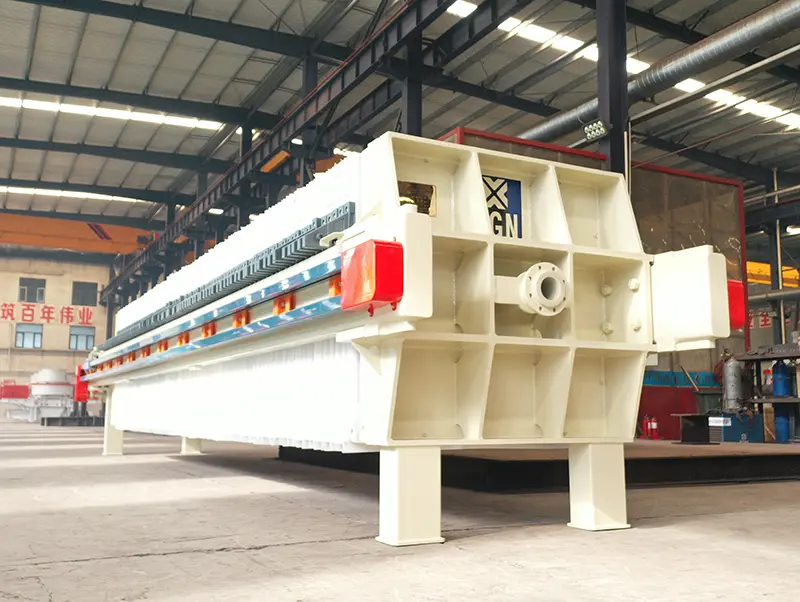
A plate and frame filter press consists of a series of alternating plates and frames, clamped together to form a series of filtration chambers. Each plate is equipped with filter media (such as filter cloth) that traps solids while allowing liquids to pass through. When pressure is applied to the suspension, the liquid is forced through the filter media, leaving behind a dry filter cake in the chambers. Once the filtration cycle is complete, the plates are separated, and the filter cake is discharged.
Its simple structure, high filtration efficiency, and easy operation make it a preferred choice for many industrial applications, especially those requiring high-quality solid-liquid separation.
Main Application of Plate and Frame Filter Press in Industrial Sectors
The application of plate and frame filter press spans across multiple industries, each leveraging its unique capabilities to solve specific solid-liquid separation challenges. Below are the most common industrial uses:
1. Mining and Mineral Processing
In mining and mineral processing, the plate and frame filter press is widely used for dewatering mineral slurries. After crushing and grinding, mineral ores are often mixed with water to form slurries, which need to be dewatered before further processing or transportation. The filter press efficiently separates the solid mineral particles from the water, producing dry filter cakes that are easier to handle, store, and transport.
It is commonly used in the processing of coal, iron ore, copper ore, and other minerals. For example, in coal washing plants, the filter press dewaters coal slime, reducing moisture content and improving the quality of the final coal product. In mineral concentration processes, it helps recover valuable minerals from slurries, minimizing waste and maximizing resource utilization.
2. Chemical Industry
The chemical industry relies heavily on the application of plate and frame filter press for various processes, including product purification, catalyst recovery, and waste treatment. Many chemical reactions produce slurries that need to be filtered to separate the desired product from by-products or impurities.
For instance, in the production of dyes, pigments, and pharmaceuticals, the filter press is used to purify the final product by removing solid impurities. It is also used to recover catalysts from reaction mixtures, reducing costs and minimizing environmental impact. Additionally, it treats chemical wastewater, removing harmful solids before discharge or recycling.
3. Food and Beverage Industry
In the food and beverage industry, the plate and frame filter press is used for clarification, purification, and dewatering, ensuring product quality and safety. It is widely used in the processing of fruits, vegetables, dairy products, and alcoholic beverages.
For example, in fruit juice production, the filter press removes pulp, seeds, and other solid impurities from the juice, resulting in a clear, high-quality product. In dairy processing, it clarifies milk and whey, removing solid particles and improving the taste and shelf life of the final product. It is also used to dewater food waste, reducing volume and facilitating disposal or recycling.
4. Environmental Protection and Wastewater Treatment
One of the most important applications of
plate and frame filter press is in environmental protection, particularly in wastewater treatment and sludge dewatering. Municipal and industrial wastewater treatment plants generate large amounts of sludge, which needs to be dewatered to reduce volume and facilitate disposal.
The filter press efficiently dewaters sludge, reducing its moisture content from 90-95% to 60-80%, making it easier to transport and dispose of (e.g., landfilling, incineration, or composting). It also treats industrial wastewater from industries such as textile, printing, and paper, removing solid pollutants and ensuring compliance with environmental discharge standards.
5. Pharmaceutical and Biotechnology Industry
In the pharmaceutical and biotechnology industry, the plate and frame filter press is used for the filtration of pharmaceutical slurries, fermentation broths, and active ingredients. It ensures high purity and sterility, which are critical for pharmaceutical products.
For example, in the production of antibiotics and vaccines, the filter press separates the active ingredient from the fermentation broth, removing impurities and ensuring the product meets strict quality standards. It is also used in the purification of biotech products, such as proteins and enzymes, maintaining their activity and purity.
Key Benefits of Plate and Frame Filter Press Applications
The widespread application of plate and frame filter press is attributed to its numerous benefits, which make it a reliable choice for industrial solid-liquid separation:
High filtration efficiency: It produces filter cakes with low moisture content, reducing the volume of solids and facilitating handling.
Versatility: It can handle a wide range of materials, from fine slurries to viscous suspensions, adapting to different industrial needs.
Cost-effectiveness: It reduces waste, recovers valuable materials, and lowers disposal costs, improving overall process economics.
Easy operation and maintenance: Its simple structure makes it easy to operate, maintain, and repair, reducing downtime.
Environmental compliance: It helps treat wastewater and sludge, ensuring compliance with environmental regulations and reducing environmental impact.
Practical Considerations for Optimal Application of Plate and Frame Filter Press
To maximize the efficiency and lifespan of a plate and frame filter press, several practical considerations should be kept in mind:
Choose the right filter media: Select filter cloth or membrane that is compatible with the material being filtered, ensuring high filtration efficiency and long service life.
Control feed parameters: Maintain a uniform feed rate and pressure to avoid overloading the filter press and ensure consistent filtration.
Regular maintenance: Clean the filter media regularly, inspect plates and frames for wear or damage, and replace worn parts in a timely manner.
Optimize filtration cycle: Adjust the filtration time and pressure according to the material properties, maximizing efficiency and reducing energy consumption.
Conclusion
The application of
plate and frame filter press is extensive and diverse, covering mining, chemical, food and beverage, environmental protection, and pharmaceutical industries. Its ability to efficiently separate solids from liquids, produce dry filter cakes, and ensure high product quality makes it an indispensable tool in modern industrial processes.
By understanding the key applications, benefits, and practical considerations, plant operators and managers can optimize the use of plate and frame filter press, improving process efficiency, reducing costs, and complying with environmental standards. As industries continue to prioritize efficiency and sustainability, the application of plate and frame filter press will remain critical for achieving these goals.