

NEWS
NEWS
HOME > NEWS > Industrial news > Details

CONTACT

Industrial news

Impact Crusher Maintenance: Essential Tips & Schedule for Longevity

Release time:2026-03-10 Views:0
Impact crushers are vital pieces of equipment in mining, quarrying, aggregate production, and construction industries, valued for their ability to crush hard, abrasive materials into uniform, high-quality products. However, like all heavy machinery, impact crushers require consistent and proper maintenance to operate efficiently, avoid unplanned downtime, and maximize their service life. Impact crusher maintenance is not just a routine task—it is an investment that reduces operational costs, prevents costly repairs, and ensures the equipment performs at its peak for years.
Neglecting impact crusher maintenance can lead to premature wear of key components, reduced crushing efficiency, and even major equipment failure. For plant operators, maintenance technicians, and managers, understanding the fundamentals of impact crusher maintenance—including daily checks, regular service, and troubleshooting common issues—is essential to keep the equipment running smoothly. This article provides a comprehensive guide to impact crusher maintenance, covering essential tips, a recommended maintenance schedule, key component care, and troubleshooting strategies.

Why Impact Crusher Maintenance Matters

Impact crushers operate under harsh conditions—high speeds, heavy loads, and constant exposure to abrasive materials. Without proper maintenance, components like hammers, impact plates, rotors, and bearings can wear out quickly, leading to reduced crushing capacity, uneven product size, and increased energy consumption. Regular impact crusher maintenance offers several key benefits:
  • Extends equipment lifespan: Proper care reduces wear and tear, ensuring the crusher operates reliably for longer.

  • Minimizes downtime: Routine checks catch potential issues early, preventing unplanned shutdowns that disrupt production.

  • Improves efficiency: Well-maintained crushers deliver consistent performance, higher output, and better product quality.

  • Reduces costs: Preventive maintenance is far less expensive than repairing or replacing major components.

  • Enhances safety: Regular inspections ensure the crusher operates safely, protecting personnel and equipment.
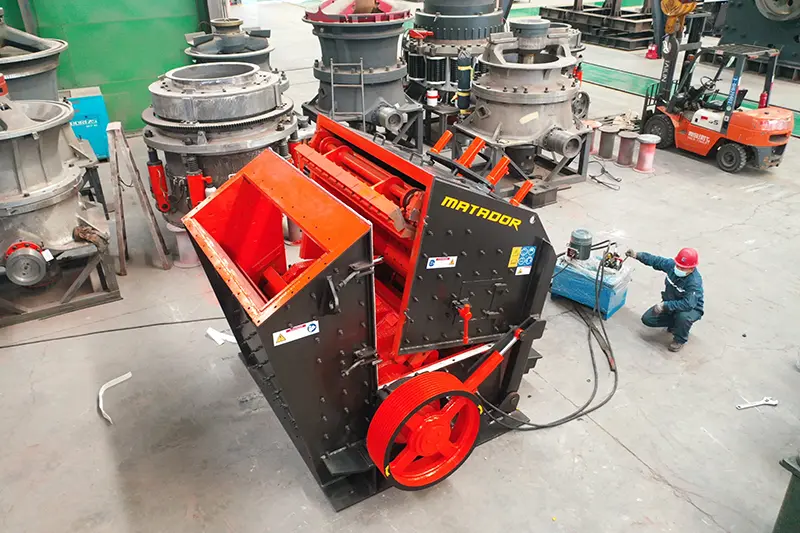
impact crusher maintenance 02

Essential Impact Crusher Maintenance Tips

Effective impact crusher maintenance involves a combination of daily checks, regular service, and proactive component care. Below are the most critical tips to keep your impact crusher in optimal condition:

1. Daily Maintenance Checks

Perform these quick checks at the start and end of each shift to catch minor issues before they escalate:
  • Inspect the crusher for any visible damage, loose bolts, or abnormal wear on hammers, impact plates, and the rotor.

  • Check the lubrication system: Ensure oil levels are within the recommended range, and there are no leaks. Lubrication is critical for reducing friction in bearings and the rotor.

  • Clean the crusher’s feed and discharge areas to prevent material buildup, which can cause blockages and uneven feeding.

  • Monitor vibration and noise: Abnormal vibration or unusual noises may indicate loose components or worn parts.

  • Check the electrical system: Ensure all connections are secure, and there are no signs of overheating in motors or wiring.

2. Regular Lubrication

Lubrication is one of the most important aspects of impact crusher maintenance. The crusher’s bearings, rotor, and other moving parts rely on proper lubrication to reduce friction and prevent overheating. Follow these guidelines:
  • Use the lubricant recommended by the manufacturer—typically high-temperature grease or oil designed for heavy machinery.

  • Follow the manufacturer’s lubrication schedule: Most impact crushers require lubrication every 8–12 hours of operation, but this may vary based on usage and conditions.

  • Replace lubricant regularly: Old or contaminated lubricant can damage components, so replace it according to the manufacturer’s guidelines (usually every 500–1000 hours).

  • Inspect lubrication lines for clogs or leaks, and clean or replace them as needed.

3. Care for Key Components

Key components like hammers, impact plates, rotors, and screens are prone to wear and require regular inspection and replacement:
  • Hammers: These are the most worn components in an impact crusher. Inspect them regularly for cracks, uneven wear, or damage. Rotate or replace hammers when they are worn down to 50% of their original thickness to maintain crushing efficiency.

  • Impact Plates: Check impact plates for wear and damage. Replace them when they show signs of excessive wear, as worn plates reduce crushing effectiveness and can cause uneven product size.

  • Rotor: Inspect the rotor for cracks, loose components, or imbalance. An unbalanced rotor can cause excessive vibration and damage the crusher. Balance the rotor if needed, and replace any damaged parts.

  • Screens: Clean screens regularly to prevent blockages. Replace worn or damaged screens to ensure proper classification of materials.

4. Preventive Maintenance Schedule

In addition to daily checks, follow a regular preventive maintenance schedule to keep the crusher in top condition. The schedule may vary based on the crusher model and usage, but a typical plan includes:
  • Weekly: Inspect all bolts and fasteners for tightness, check the condition of the feed and discharge conveyors, and clean the crusher’s interior.

  • Monthly: Inspect the lubrication system in detail, check the condition of hammers and impact plates, and test the crusher’s safety features (e.g., emergency stop buttons).

  • Quarterly: Replace lubricant, inspect the rotor for balance and wear, check the electrical system for damage, and clean or replace air filters.

  • Annually: Perform a comprehensive inspection of all components, replace worn parts (e.g., bearings, seals), and check the crusher’s alignment and structure for damage.
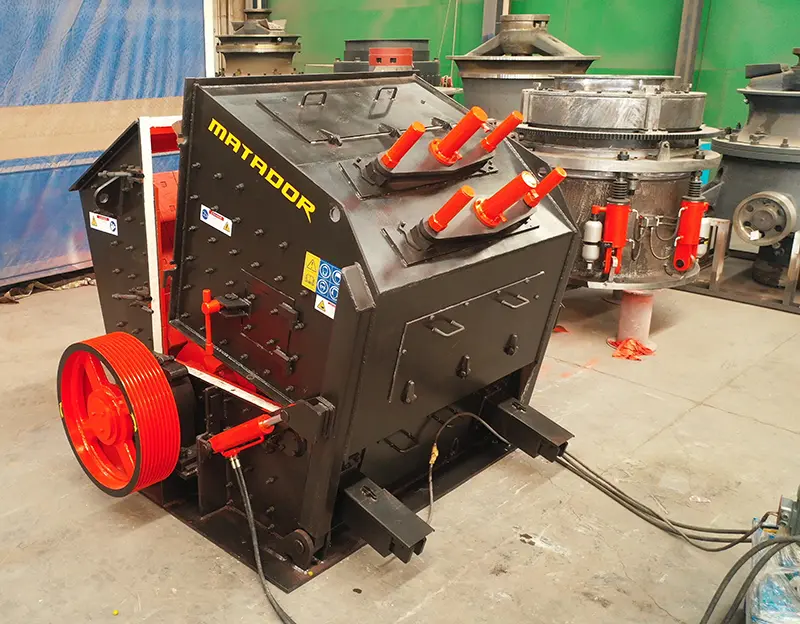
impact crusher maintenance 03

Common Impact Crusher Maintenance Issues & Troubleshooting

Even with regular maintenance, impact crushers may experience issues. Below are common problems and how to troubleshoot them:

1. Excessive Vibration

Causes: Unbalanced rotor, worn or damaged hammers, loose bolts, or uneven feeding. Solution: Inspect the rotor for balance, replace worn hammers, tighten loose bolts, and ensure uniform feeding.

2. Low Crushing Efficiency

Causes: Worn hammers or impact plates, incorrect gap setting, or uneven feeding. Solution: Replace worn components, adjust the gap between hammers and impact plates, and ensure uniform feeding.

3. Overheating

Causes: Insufficient lubrication, blocked lubrication lines, or overloading. Solution: Check lubricant levels and replace contaminated lubricant, clean lubrication lines, and reduce the feed rate to avoid overloading.

4. Material Blockage

Causes: Wet or sticky material, oversized feed, or clogged discharge. Solution: Clean the crusher, reduce the moisture content of materials, ensure feed size is within the recommended range, and clear any discharge blockages.

Best Practices for Impact Crusher Maintenance

To maximize the effectiveness of your impact crusher maintenance program, follow these best practices:
  • Keep detailed maintenance records: Document all checks, service, and repairs to track component lifespan and identify patterns.

  • Train operators and maintenance technicians: Ensure staff are familiar with the crusher’s operation and maintenance requirements.

  • Use genuine replacement parts: Genuine parts are designed to fit the crusher and ensure optimal performance and longevity.

  • Shut down the crusher before performing maintenance: Always follow safety procedures to protect personnel.

  • Adjust maintenance based on operating conditions: If the crusher operates in harsh environments (e.g., high dust, wet materials), increase the frequency of checks and lubrication.

Conclusion

Impact crusher maintenance is a critical aspect of ensuring the equipment operates efficiently, reliably, and safely. By following a consistent maintenance schedule, performing daily checks, caring for key components, and troubleshooting common issues, you can extend the crusher’s lifespan, reduce downtime, and improve overall production efficiency.
Investing time and resources in impact crusher maintenance not only prevents costly repairs but also ensures the crusher delivers consistent, high-quality results. For plant operators and managers, a proactive maintenance program is the key to maximizing the value of their impact crusher and maintaining a competitive edge in the industry.