Core Characteristics Supporting the Wide Application of Jaw Crusher
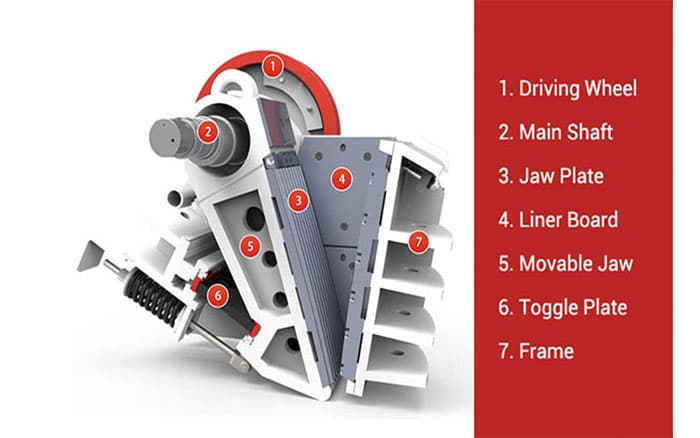
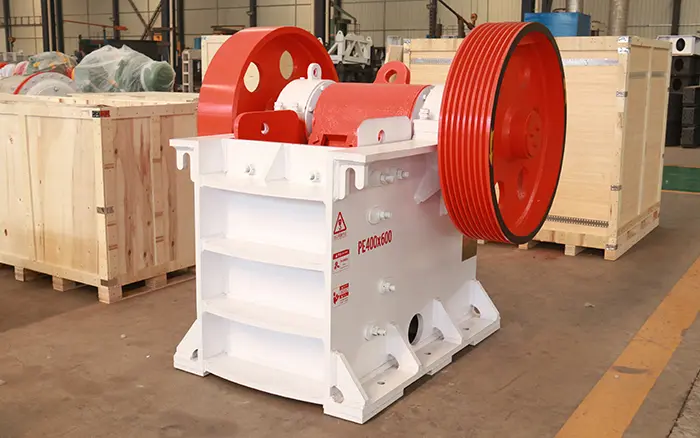
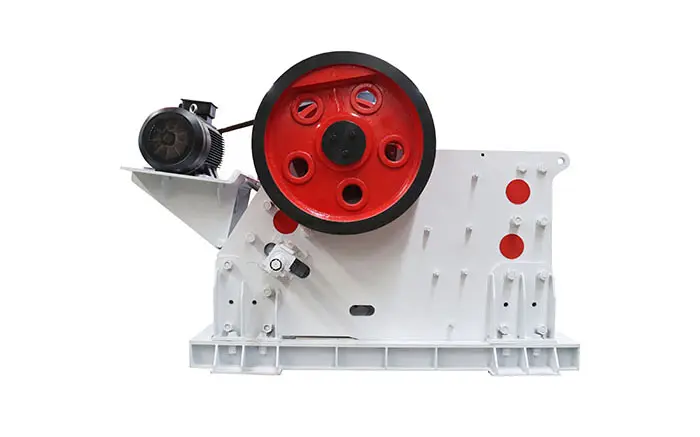
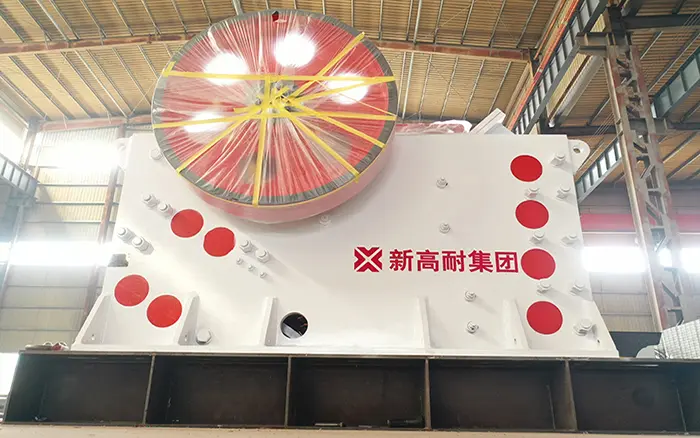
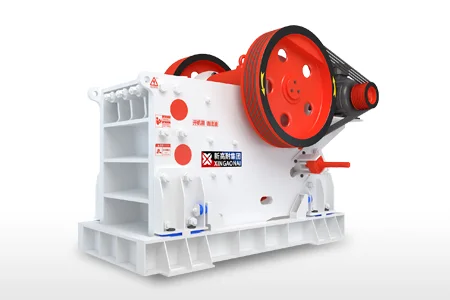
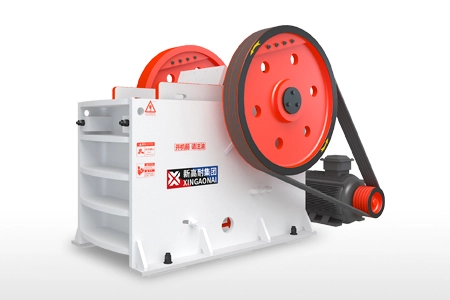
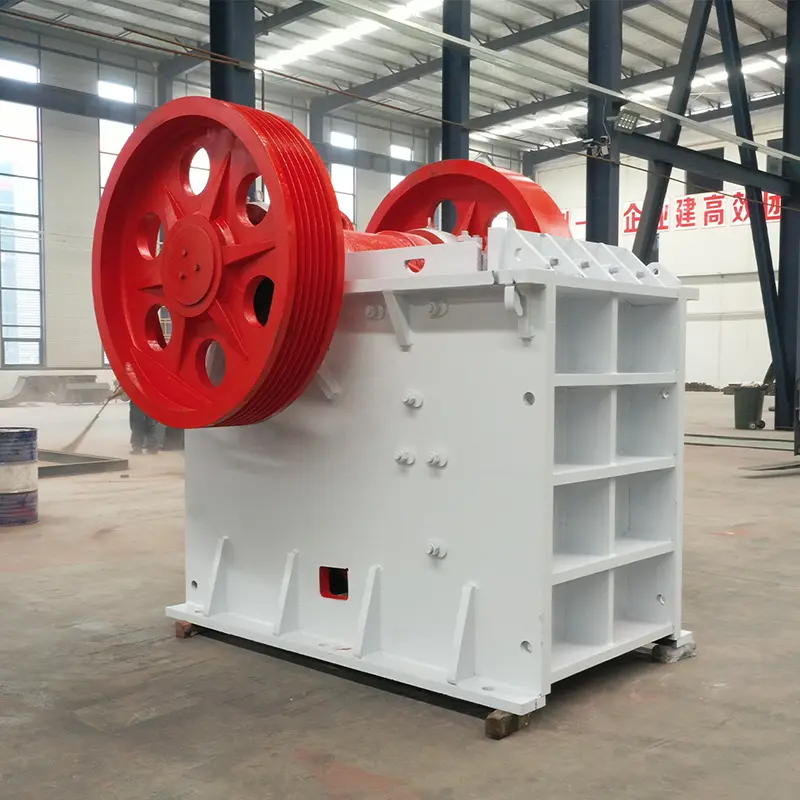
Strong Crushing Capacity: Equipped with a large eccentric shaft and high-strength crushing plate, jaw crushers deliver stable performance with a processing capacity ranging from 1-1000 t/h. This versatility suits both small-scale workshops and large-scale industrial production lines.
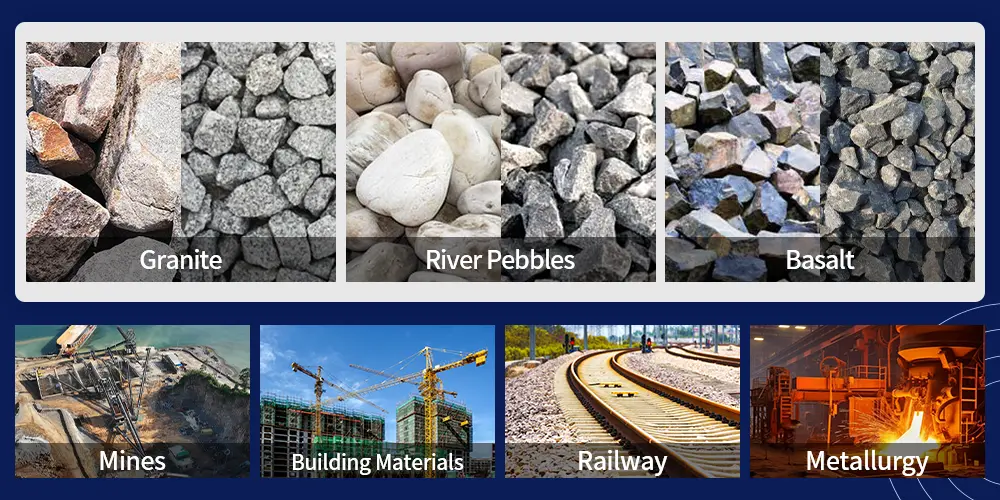
Wide Material Adaptability: Capable of crushing hard and medium-hard materials such as limestone, granite, basalt, diabase, and iron ore, jaw crushers meet the crushing demands of multiple industries and raw material types.
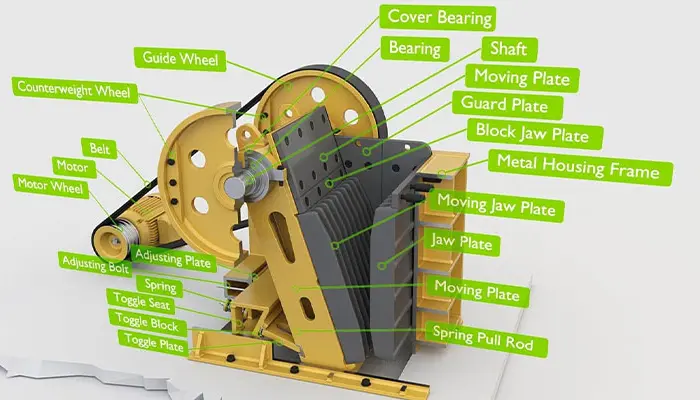
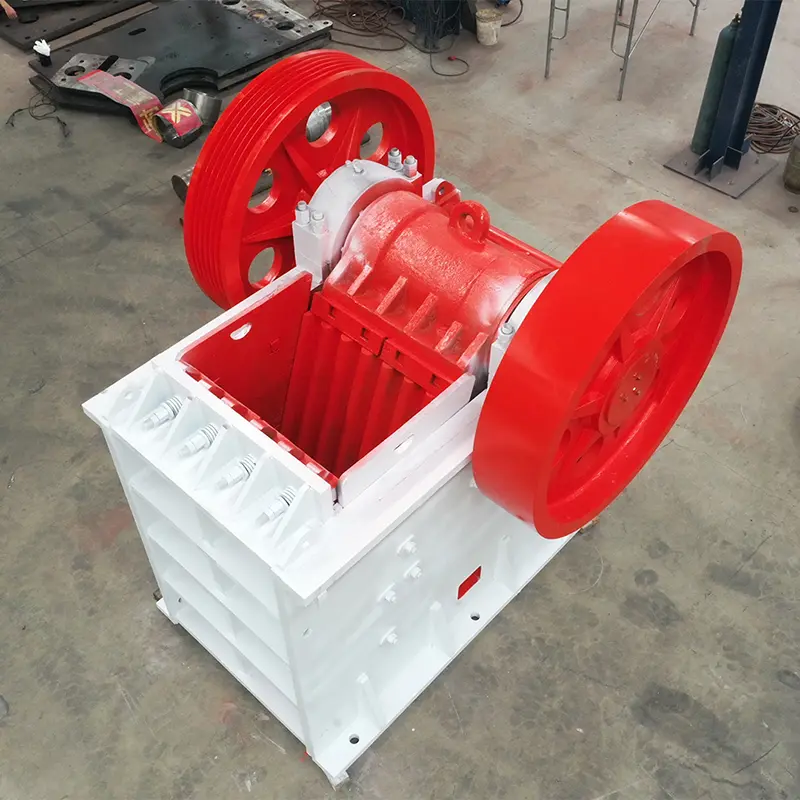
Robust & Durable Structure: Adopting an integral frame and wear-resistant components (e.g., manganese steel jaw plates), jaw crushers can operate continuously under harsh industrial conditions with low failure rates and extended service lives.
Simple Operation & Maintenance: With a straightforward structure, convenient discharge gap adjustment, and easy replacement of wearing parts, jaw crushers reduce operational and maintenance costs for businesses.
Energy Efficiency: Optimized crushing cavity design and reasonable transmission structure minimize energy consumption, enhancing overall production efficiency while lowering operational expenses.
Key Applications of Jaw Crusher Across Industries
1. Mining Industry: Core Equipment for Ore Primary Crushing
Iron Ore Processing: Jaw crushers crush large iron ore blocks (feed size ≤1000mm) into intermediate particles (50-200mm), which are then sent to cone crushers or impact crushers for secondary crushing. This step ensures efficient beneficiation and improves iron concentrate recovery rates.
Non-Ferrous Metal Ore Processing: For copper, gold, and manganese ores, jaw crushers perform primary crushing to remove gangue and reduce ore size—laying the foundation for subsequent flotation, magnetic separation, or gravity separation processes.
Non-Metal Ore Processing: In the processing of non-metallic ores such as granite, marble, and quartz, jaw crushers crush large raw materials into manageable sizes for further processing into building materials or industrial raw materials.
2. Construction & Infrastructure Industry: Crushing for Aggregate Production
Highway & Railway Construction: Jaw crushers crush limestone or basalt into coarse aggregates (20-40mm) and medium aggregates (10-20mm) for road base and subbase construction. Their stable output and high aggregate quality ensure the strength and durability of transportation infrastructure.
Building Construction: In commercial concrete production, jaw crushers process raw materials (e.g., limestone, river pebbles) into aggregates of different specifications, which are mixed with cement, sand, and water to produce high-strength concrete for buildings, bridges, and tunnels.
Construction Waste Recycling: With the promotion of environmental protection policies, the application of jaw crusher in construction waste recycling has become increasingly widespread. It crushes concrete blocks, bricks, and other construction waste into reusable aggregates—reducing resource waste and environmental pollution.
3. Aggregate Production Industry: Primary Crushing for Standardized Aggregates
Limestone Aggregate Production: Limestone is the most commonly used raw material for aggregates. Jaw crushers crush large limestone blocks into intermediate particles, which are then processed by impact crushers or sand makers to produce fine aggregates (0-5mm) and medium aggregates (5-10mm) for construction needs.
River Pebble Aggregate Production: River pebbles have high hardness and wear resistance. Jaw crushers perform primary crushing on river pebbles, and subsequent processing by cone crushers or sand makers yields high-quality aggregates suitable for high-grade concrete and road construction.
4. Metallurgical Industry: Crushing for Raw Material Pretreatment
Iron and Steel Production: Jaw crushers crush iron ore and iron concentrate into appropriate particle sizes for sintering or pelletizing—improving the efficiency of iron and steel smelting.
Steel Slag Recycling: Steel slag, a by-product of steelmaking, is crushed by jaw crushers into small particles. These particles are then processed to recover iron and produce building materials, realizing resource recycling.
5. Chemical Industry: Crushing for Raw Material Processing
Gypsum Processing: Gypsum, a key raw material for cement and gypsum products, is crushed by jaw crushers from large blocks into small particles, which are then ground into powder for subsequent processing.
Coal Crushing for Chemical Production: In coal chemical production, coal needs to be crushed into small particles to increase its contact area with reactants—boosting reaction efficiency. Jaw crushers perform primary crushing on coal, laying the foundation for gasification, liquefaction, or coking processes.
Key Considerations for Optimizing the Application of Jaw Crusher
Material Characteristics Matching: Select the appropriate jaw crusher model based on the raw material’s compressive strength, feed size, and moisture content. For hard materials like granite, choose a model with high crushing force and wear-resistant jaw plates.
Production Capacity Alignment: Determine the required processing capacity based on the production line’s output demand. Select a jaw crusher model with matching capacity to avoid production bottlenecks or equipment underutilization.
Discharge Gap Adjustment: Adjust the discharge gap according to the required particle size of the final product. Jaw crushers are equipped with convenient gap adjustment mechanisms, allowing flexible adjustments based on production needs.
Regular Maintenance: Conduct routine maintenance, including inspecting jaw plate wear, lubricating bearings, and tightening fasteners. Regular upkeep ensures stable operation and extends the equipment’s service life.