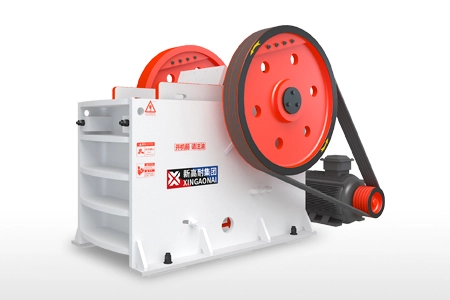
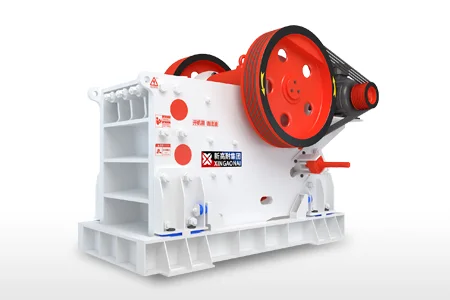
Jaw crushers are one of the most widely used primary crushing machines in mining, construction, and aggregate production. Known for their simple structure and powerful crushing ability, they are often the first step in material processing lines. However, like any equipment, understanding the jaw crusher advantages and disadvantages is essential before making an investment decision.
This guide not only explains the pros and cons but also helps you decide whether a jaw crusher is the right choice for your project.
What Is a Jaw Crusher Used For?
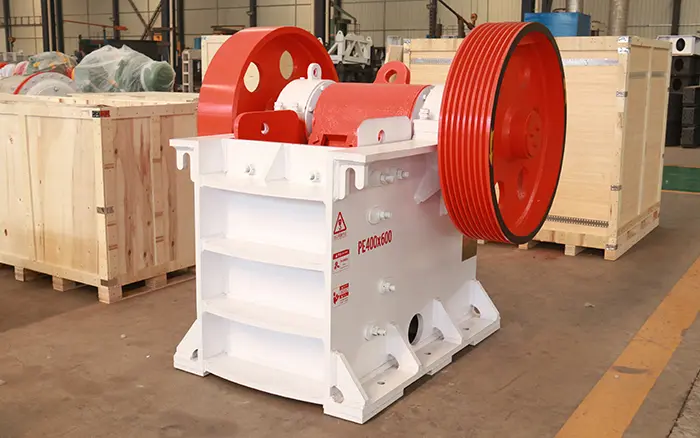
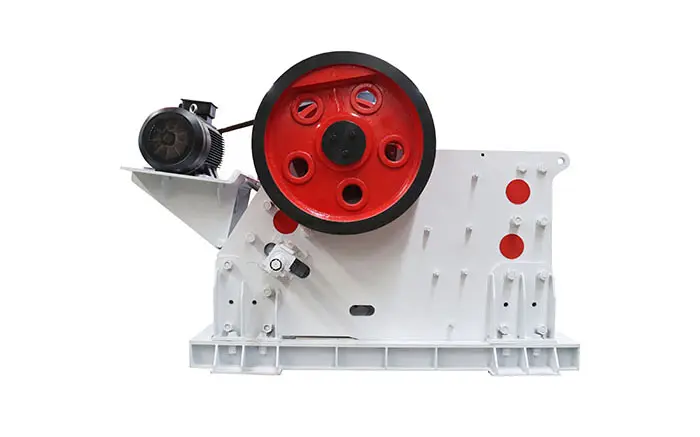
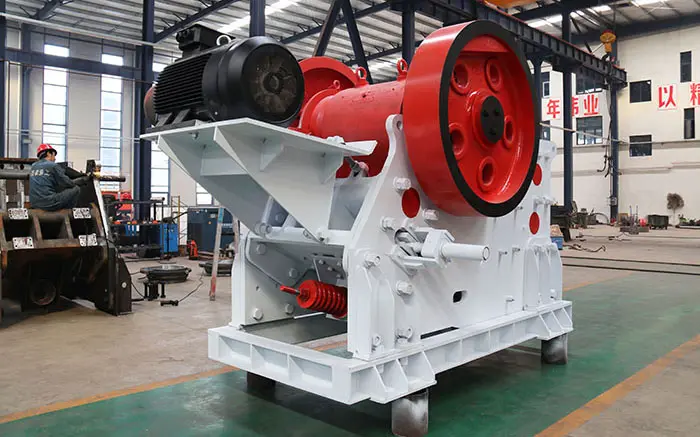
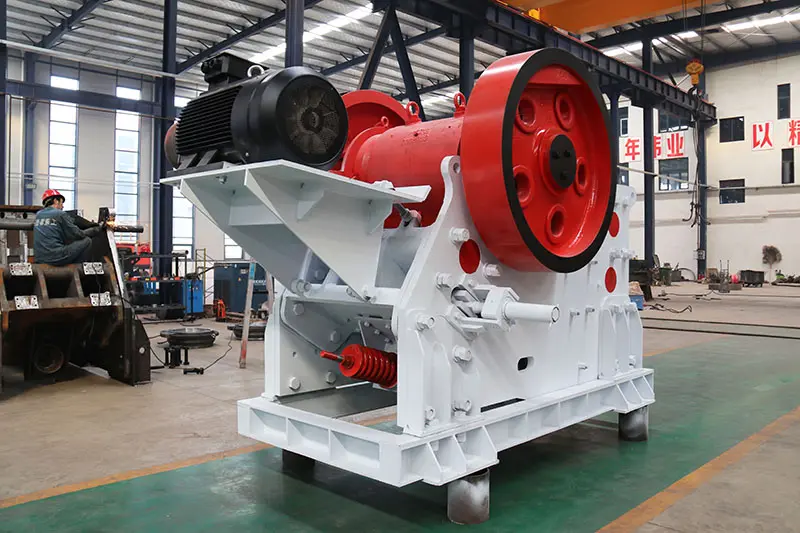
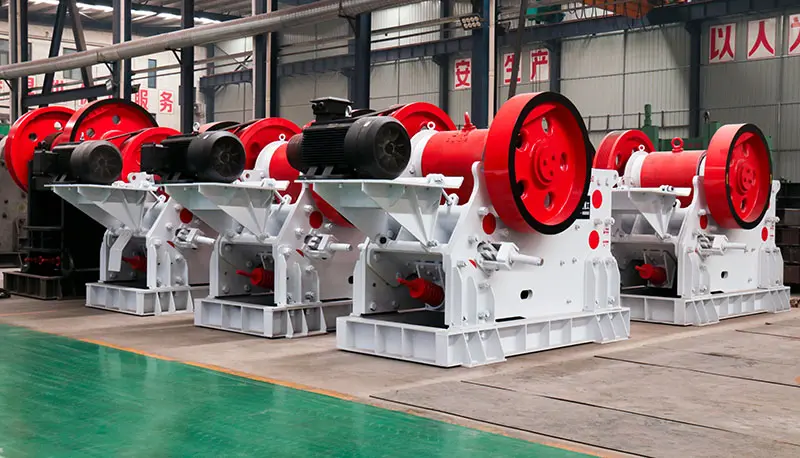
A jaw crusher is primarily used for primary crushing, reducing large rocks into smaller, manageable sizes. It works by compressing material between a fixed jaw plate and a moving jaw plate.
Typical applications include:
Quarrying and aggregates production
Construction waste recycling
Road and infrastructure projects
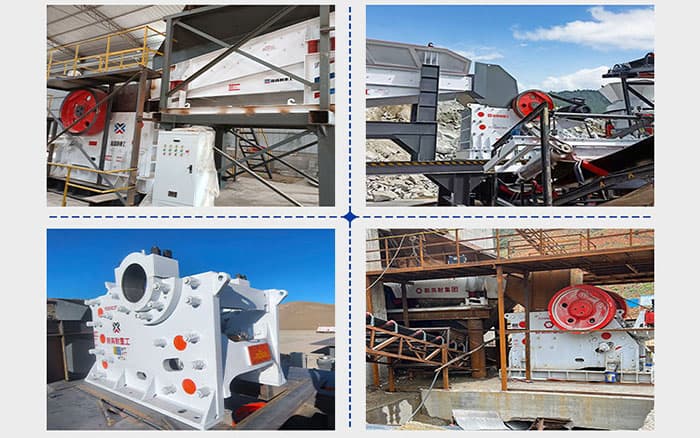
Because of its reliability, it is often the first machine in a crushing production line.
Advantages of Jaw Crusher
Understanding the strengths of this machine helps explain why it is widely used.
1. Strong Crushing Capacity
One of the main jaw crusher advantages and disadvantages considerations is its powerful crushing force. Jaw crushers can handle large feed sizes and hard materials, making them ideal for primary crushing.
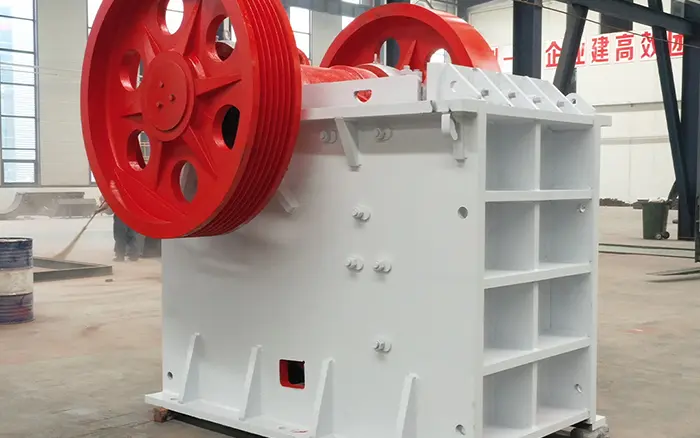
2. Simple Structure and Easy Maintenance
Jaw crushers have a relatively simple mechanical design. This means:
Fewer components
Easier maintenance
This is especially important for small and medium-sized mining operations.
3. Wide Range of Applications
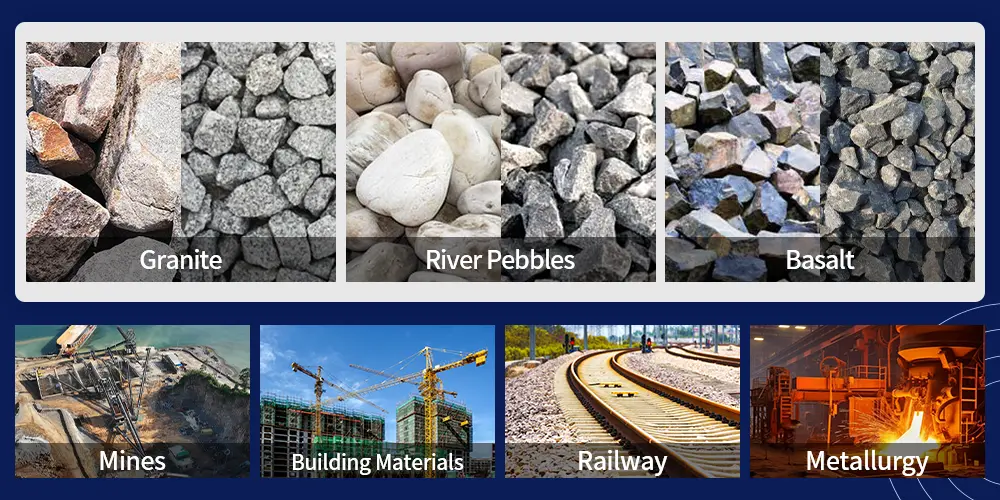
Jaw crushers are suitable for various materials, including:
Hard rock
Abrasive stone
Recycled concrete
Their versatility makes them a reliable choice across multiple industries.
4. High Durability
With proper maintenance, a jaw crusher can operate for many years. The robust design allows it to withstand harsh working conditions.
Disadvantages of Jaw Crusher
To fully understand the jaw crusher advantages and disadvantages, it is important to consider its limitations.
1. Uneven Product Shape
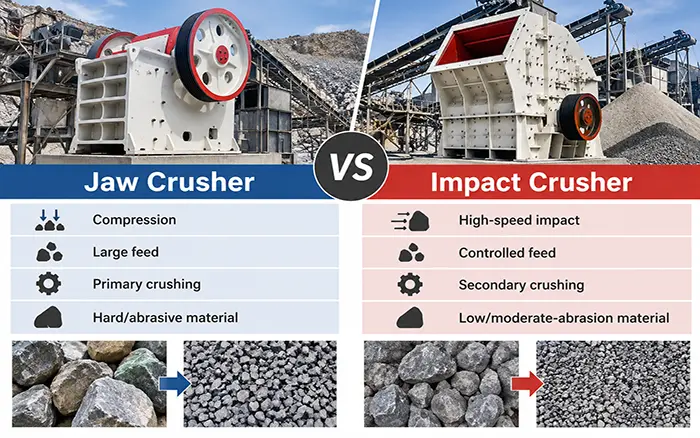
Compared with impact or cone crushers, jaw crushers produce less uniform particle shapes. This can be a disadvantage when high-quality aggregates are required.
2. Limited Fine Crushing Capability
Jaw crushers are not suitable for fine crushing. Additional equipment is usually required for secondary or tertiary stages.
3. Intermittent Operation
The crushing process is not continuous but cyclical. This may result in lower efficiency compared to some other crusher types.
4. Higher Wear on Jaw Plates
Jaw plates are subject to heavy wear and need regular replacement, especially when processing abrasive materials.
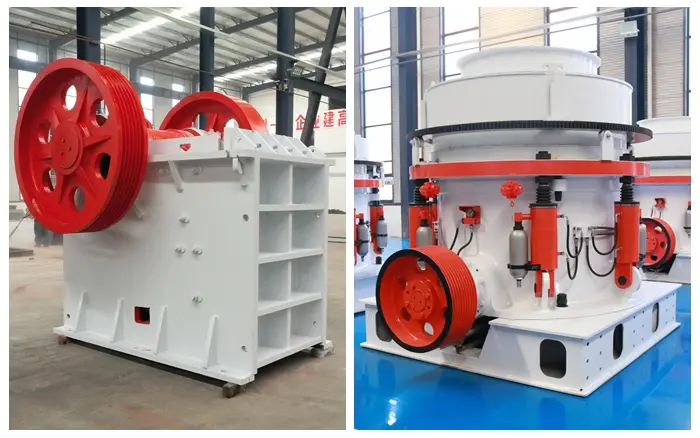
Jaw Crusher vs Cone Crusher: Key Differences
When evaluating the jaw crusher advantages and disadvantages, many users compare it with cone crushers.
| Feature | Jaw Crusher | Cone Crusher |
|---|---|---|
| Crushing Stage | Primary | Secondary/Tertiary |
| Material Size | Large feed | Medium feed |
| Product Shape | Less uniform | More cubic |
| Cost | Lower initial cost | Higher investment |
| Maintenance | Simple | More complex |
👉 Conclusion:
Choose a jaw crusher for primary crushing and lower cost
Choose a cone crusher for better particle shape and fine crushing
When Should You Choose a Jaw Crusher?
Choosing the right equipment depends on your project needs. A jaw crusher is the best choice when:
You need primary crushing
Your material is hard and large
Your budget is limited
You want simple operation and maintenance
For complete crushing systems, jaw crushers are often combined with impact or cone crushers.
Cost and Investment Considerations
Cost is a key factor when analyzing jaw crusher advantages and disadvantages.
Initial Investment
Jaw crushers generally have a lower purchase cost compared with other crushers, making them suitable for small-scale projects.
Operating Cost
Operating costs mainly include:
Wear parts (jaw plates)
Energy consumption
Despite wear costs, the overall operating expense remains relatively low due to the machine’s simple structure.
How to Improve Jaw Crusher Performance
To maximize efficiency and reduce disadvantages:
Use proper feeding size and avoid overloading
Regularly inspect and replace jaw plates
Maintain proper lubrication
Combine with secondary crushers for better final product
These practices can significantly improve the performance of your crushing system.
Choosing the Right Crusher for Your Project
Understanding the jaw crusher advantages and disadvantages is essential for selecting the right crushing equipment. Jaw crushers offer strong crushing capacity, simple structure, and cost-effective operation, making them ideal for primary crushing in mining and construction.
However, they also have limitations, such as uneven product shape and limited fine crushing ability. By combining jaw crushers with other equipment and following proper maintenance practices, you can achieve efficient and reliable production.
If your project requires handling large and hard materials with a limited budget, a jaw crusher is often the best starting point for your crushing solution.