

When you need a mobile crushing plant, the first big decision is choosing between a tracked (crawler) mobile crusher and a wheeled (tire-mounted) mobile crusher. Both types offer mobility, but they are built for different conditions and job requirements. Some projects need the rugged, go-anywhere ability of tracks. Others are better served by the lower cost and road-legal transport of wheeled units. This article gives a full comparison of tracked vs wheeled mobile crusher. You will learn the key differences, pros and cons of each, and how to pick the right one for your operation.
What Is a Tracked Mobile Crusher?
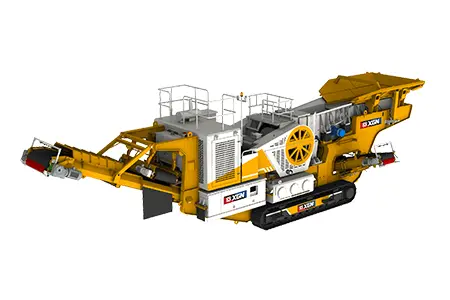
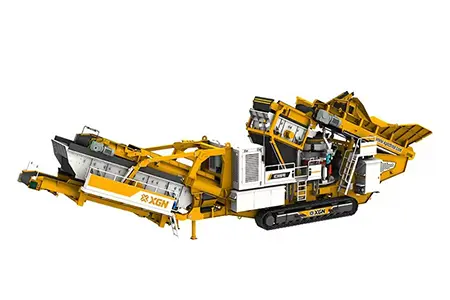
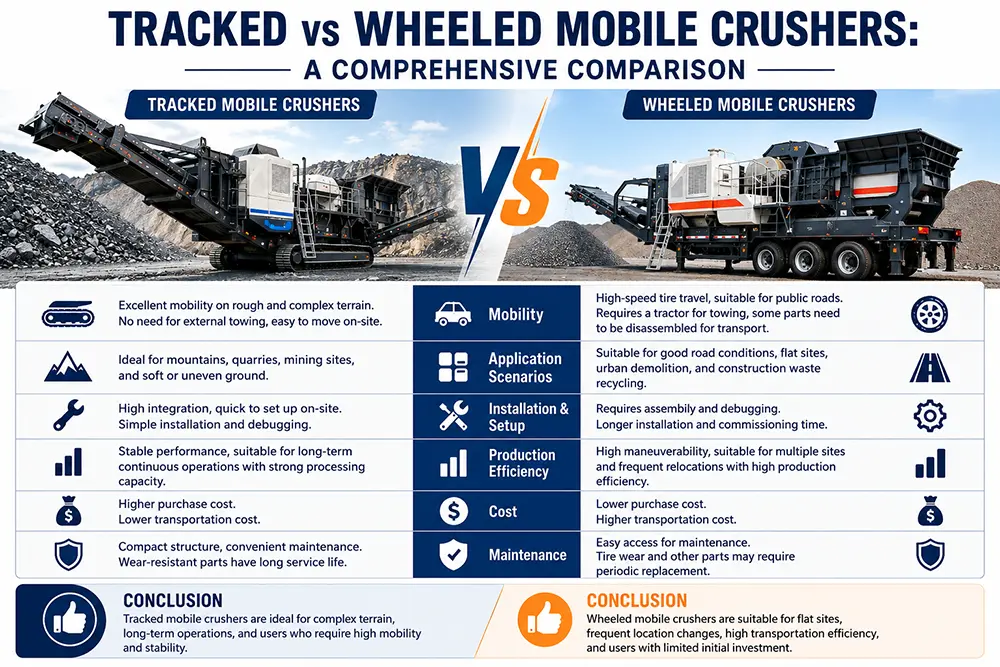
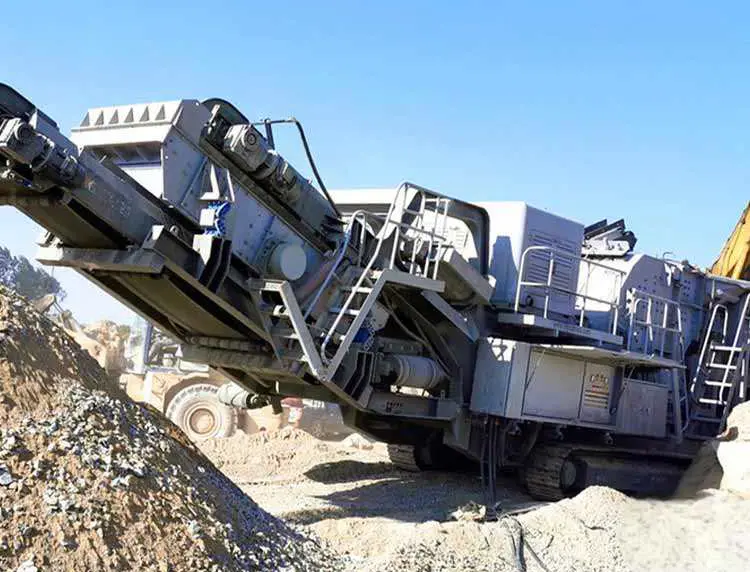
A tracked mobile crusher is mounted on a set of steel tracks, similar to those on an excavator or tank. The tracks are driven by hydraulic motors. The machine can move under its own power on rough terrain, slopes, and soft ground. Tracked crushers are self-contained units with a feeder, crusher, and conveyor all integrated. They do not need a towing vehicle. Instead, they are driven remotely or from a small cab.
What Is a Wheeled Mobile Crusher?
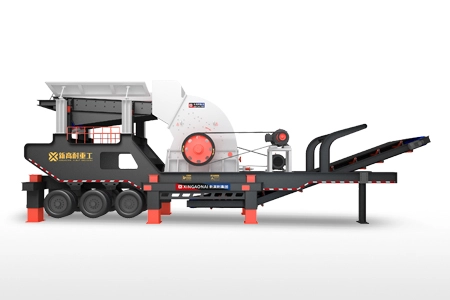
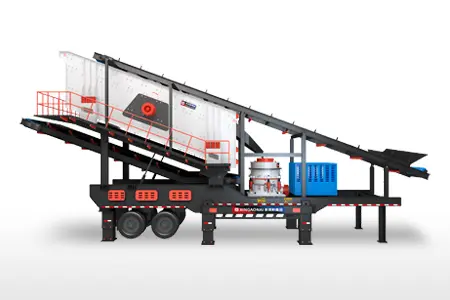
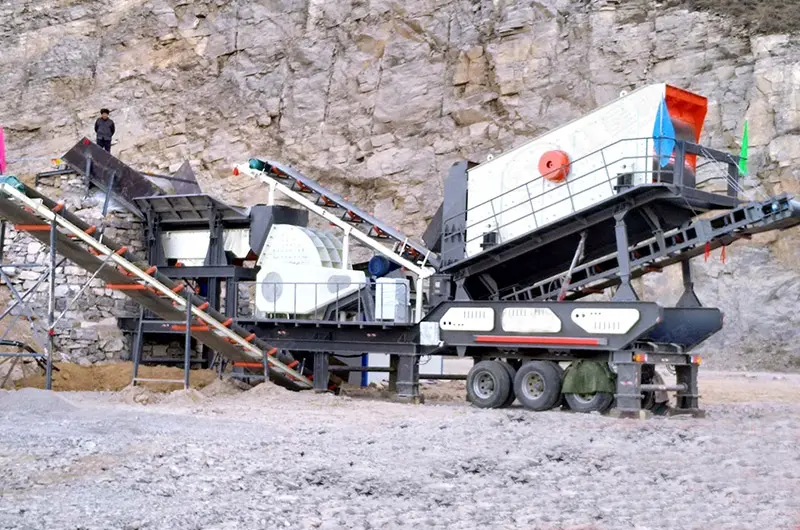
A wheeled mobile crusher is mounted on a wheeled chassis with axles and tires. It is designed to be towed by a truck or tractor. The crusher unit itself usually does not have its own drive for moving on site (though some have a slow-speed electric motor for repositioning). Wheeled crushers are often called “portable crushers” because they can be legally driven on public roads when hitched to a truck.
Tracked vs Wheeled Mobile Crusher: Key Differences
Now let us compare tracked vs wheeled mobile crusher across several important factors.
1. Mobility and Terrain Handling
Tracked mobile crusher: Tracks provide excellent traction on soft, muddy, or uneven ground. They can climb slopes up to 25-30 degrees. The machine can turn in its own length (pivot turn). It is ideal for working in quarries with poor haul roads, on demolition sites with debris, or in wet conditions. Tracks distribute the weight over a larger area, so the machine does not sink.
Wheeled mobile crusher: Wheels are better only on hard, level, dry surfaces. On soft or muddy ground, wheeled units can get stuck. They also have a larger turning radius. However, wheeled crushers can be moved at high speed on public roads (up to 80 km/h when towed), while tracked units must be loaded on a low-bed trailer for road transport.
Winner for rough terrain: Tracked.
2. Transport and Setup Time
Tracked mobile crusher: Cannot drive on public roads legally in most countries. You need a low-bed trailer and a truck to move it between sites. Loading and unloading takes 1-2 hours. Once on site, the machine is ready to crush in less than an hour. No foundation or leveling is required. The tracks provide stability.
Wheeled mobile crusher: Road-legal. You hitch it to a truck and tow it at highway speeds. There is no need for a separate trailer. Setup on site requires leveling the chassis (using hydraulic legs or jacks) and connecting power or fuel. Setup takes 1-3 hours. Some wheeled units need a stable concrete pad for the stabilizer legs.
Winner for multi-site moves: Wheeled (faster road transport).
3. Power Source and Fuel Efficiency
Tracked mobile crusher: Almost always powered by a diesel engine. The engine drives both the crusher and the hydraulic tracks. Fuel consumption per hour is moderate to high. Some larger models have a diesel-electric hybrid system to reduce fuel use.
Wheeled mobile crusher: Can be powered by a diesel engine or by an electric motor. Because wheeled units are often used at sites with grid power (like recycling yards or fixed quarries), many operators choose the electric version. Electric power cuts fuel costs by 50-80% compared to diesel. However, if you need to move frequently, diesel may be more convenient.
Winner for operating cost: Wheeled (electric version).
4. Initial and Operating Cost
Tracked mobile crusher: Higher purchase price. A tracked jaw crusher can cost 20-40% more than a wheeled model with the same crushing capacity. Tracks also need replacement after 3,000-5,000 hours (costing 40,000). Hydraulic track motors and final drives add maintenance expenses.
Wheeled mobile crusher: Lower initial cost. Fewer moving parts. Tires last longer than tracks if used on good surfaces. However, if you tow the unit frequently, tire wear and axle maintenance add up.
Winner for lower cost: Wheeled.
5. Stability and Crushing Performance
Tracked mobile crusher: Very stable. The long track footprint provides a solid base. The crusher can be placed on uneven ground without leveling. This is important for high crusher forces (e.g., jaw crushers handling large rocks).
Wheeled mobile crusher: Requires a level surface. You must lower stabilizer legs or outriggers. On soft ground, the wheels can sink, reducing stability. For very heavy crushers (large cone or jaw units), a concrete pad may be needed.
Winner for stability: Tracked.
6. Environmental Impact
Tracked mobile crusher: Tracks cause more ground disturbance. They can dig into soft soil, leaving ruts. The diesel engine produces emissions and noise. However, the machine does not require a permanent foundation, so the site can be restored after the project ends.
Wheeled mobile crusher: Lower ground pressure if moved infrequently. However, the need for a level surface may require some site preparation (gravel pad). Electric wheeled crushers have zero local emissions and lower noise, making them better for urban recycling sites.
Winner for low emissions: Wheeled (electric).
Comparison Table: Tracked vs Wheeled Mobile Crusher
| Feature | Tracked Mobile Crusher | Wheeled Mobile Crusher |
|---|---|---|
| Terrain capability | Soft, muddy, uneven, slopes up to 30° | Hard, level, dry surfaces only |
| On-site mobility | Self-powered, pivot turn, slow (1 km/h) | Requires towing or small repositioning motor |
| Road transport | Needs low-bed trailer | Towable on public roads |
| Setup time on site | 30-60 minutes | 1-3 hours |
| Initial cost | 20-40% higher | Lower |
| Operating cost (fuel) | Higher (diesel only) | Lower (electric option) |
| Track/tire life | 3,000-5,000 hours | 5,000-8,000 hours (tires) |
| Stability on uneven ground | Excellent | Requires leveling |
| Best applications | Remote mines, rough terrain, demolition, wet sites | Quarries with good roads, recycling yards, projects with grid power |
When to Choose a Tracked Mobile Crusher
A tracked mobile crusher is the better choice when:
Your worksite has soft, muddy, or uneven ground.
You need to operate on slopes.
The crusher must move frequently within the site (e.g., following a quarry face).
You are working in a remote location with no roads.
The project duration is long (over 2 years) and the crusher stays on one site.
You are processing large rocks that cause high impact forces.
Examples: open-pit mines, coal mines, construction demolition sites in wet climates, riverbed quarrying.
When to Choose a Wheeled Mobile Crusher
A wheeled mobile crusher is the better choice when:
Your worksite has hard, level, dry surfaces.
You need to move the crusher between multiple sites that are connected by paved roads.
You have access to grid electricity and want to save fuel costs.
Your budget is limited and you want lower initial investment.
The project is short-term (under 1 year) and you will move the crusher often.
You are working in an urban recycling yard with noise and emission restrictions.
Examples: asphalt recycling plants, concrete block crushing, sand and gravel operations with good roads, contract crushing with short-term rentals.
Frequently Asked Questions About Tracked vs Wheeled Mobile Crusher
1. Which is better for soft, muddy ground – tracked or wheeled?
Tracked is much better. The tracks distribute weight and provide traction on soft, wet, or muddy surfaces. Wheeled units get stuck easily on soft ground.
2. Can a wheeled mobile crusher move on its own?
Some wheeled crushers have a slow-speed electric motor for moving a few meters on site. But most require a truck or tractor to tow them. They cannot move independently like tracked units.
3. Which type has lower fuel costs?
Wheeled crushers with electric motors have the lowest fuel costs. Tracked crushers run on diesel and consume more fuel per hour. If you have grid power, choose a wheeled electric unit.
4. How often do tracks need to be replaced?
Track life is typically 3,000 to 5,000 hours of operation. Replacement cost for a set of tracks is 40,000 depending on the machine size. Tires on wheeled crushers last 5,000-8,000 hours if used on good surfaces.
5. Can I tow a tracked crusher on a public road?
No. Tracked crushers cannot be driven on public roads. You must load them onto a low-bed trailer with a separate truck. The total transport width must be under 3 meters (legal limit in most countries).
6. Which type is easier to set up on a new site?
Tracked crushers are faster to set up. You just drive them off the trailer, lower the hopper, and start. Wheeled crushers require leveling, lowering stabilizer legs, and sometimes a gravel pad. Setup takes 1-2 hours longer for wheeled units.
7. Is a tracked crusher worth the higher cost?
Yes, if you operate in rough terrain, need to move within the site often, or have long-term projects. No, if you work only on hard, level ground and need to move between many sites. Calculate your total cost over the project life.
8. Can I use a wheeled crusher on a demolition site?
Yes, but only if the site has compacted, level ground. Demolition sites often have rebar, debris, and uneven surfaces. In such cases, a tracked crusher is safer and more productive.
Conclusion
Choosing between tracked vs wheeled mobile crusher depends on your terrain, mobility needs, budget, and power availability. Tracked crushers excel in rough, soft, or sloping ground. They are self-powered and stable. Wheeled crushers are cheaper, road-towable, and can run on electric power for lower operating costs. For most contractors working on multiple sites with good roads, a wheeled crusher is a smart choice. For mining, remote quarries, and demolition in difficult terrain, a tracked crusher is worth the extra investment. Match the machine to your site, and you will save time and money.