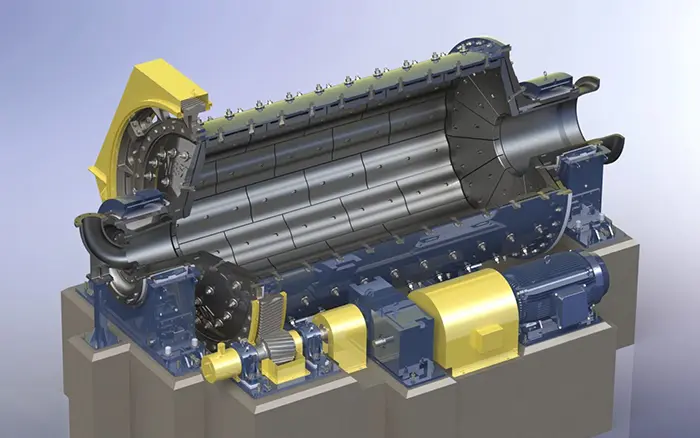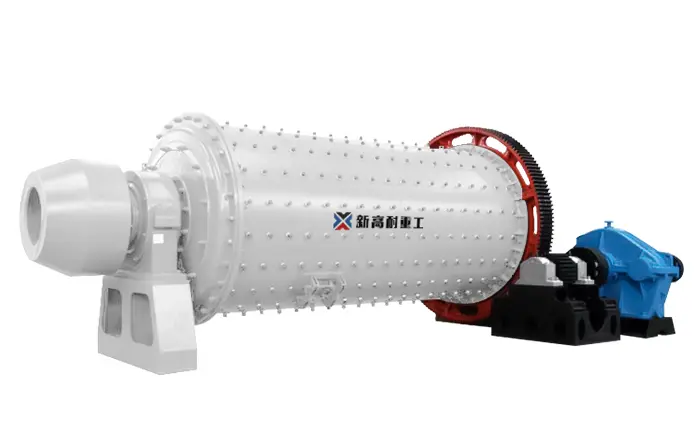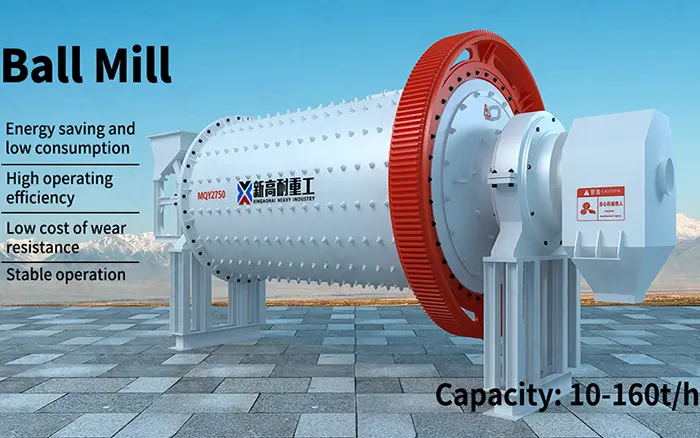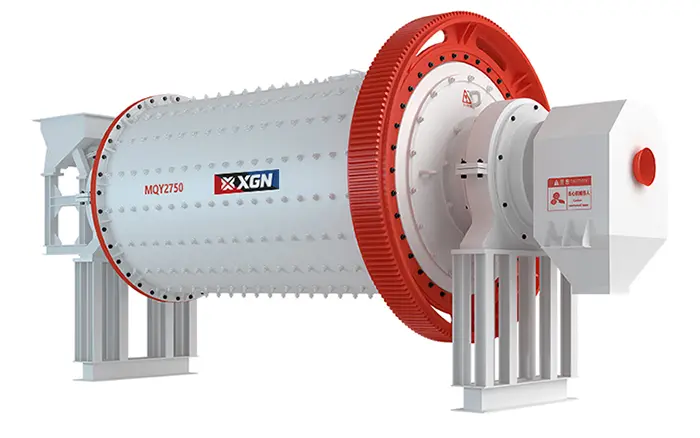
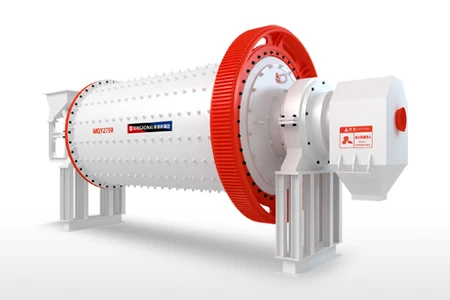
If you operate a ball mill, you know that the grinding media inside it does the real work. The balls crush and grind ore, cement clinker, or other materials into fine powder. But choosing the right grinding media is not always simple. There are many types of ball mill balls for sale, with different materials, sizes, and hardness levels. This article will help you understand the options and make a smart buying decision.
What Are Ball Mill Balls?
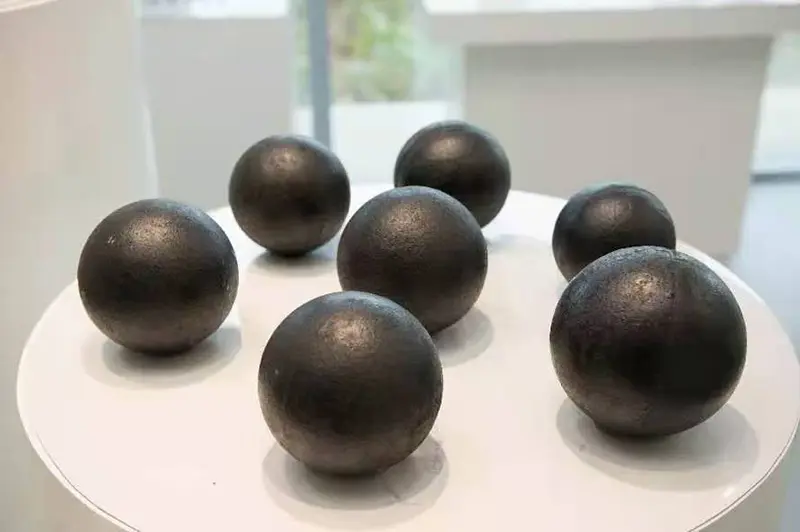
Ball mill balls are spherical grinding media used inside ball mills to crush and grind materials. They are typically made of steel, but ceramic and other materials are also available for special applications. The balls rotate inside the mill drum, colliding with the material and each other to break particles down to the desired size.
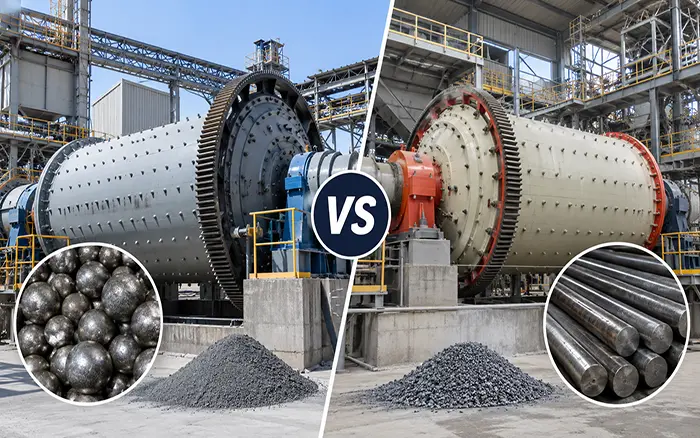
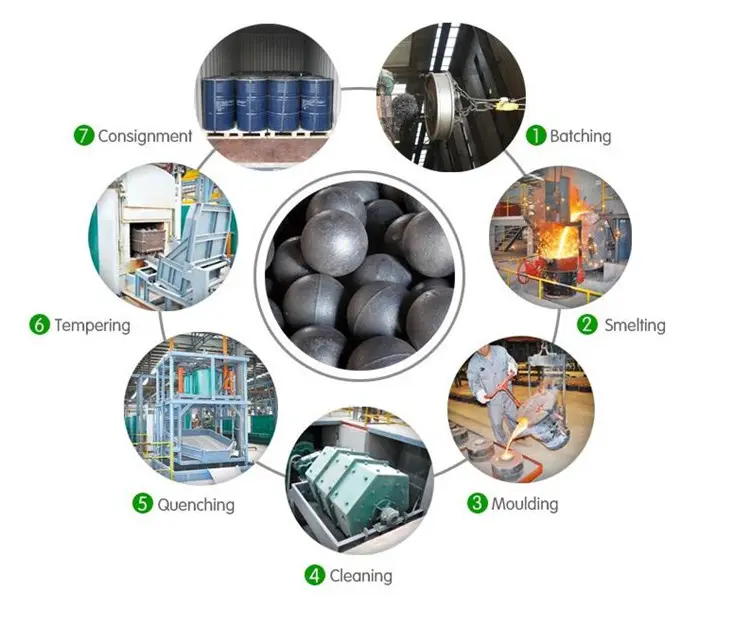
Most ball mill balls for sale are made of steel, with two main manufacturing methods: forged and cast.
Types of Ball Mill Balls
When you look for ball mill balls for sale, you will find two main types: forged steel balls and cast steel balls.
Forged Steel Balls
Forged steel balls are made from high-carbon steel bars. The forging process involves heating the steel and shaping it under high pressure. This creates a dense, uniform grain structure that provides high impact toughness. Forged balls are very resistant to fracturing, which makes them ideal for large, high-impact mills where the balls drop from a significant height.
Key features:
High impact toughness
Dense internal structure with few voids
Excellent resistance to breaking
Good wear resistance
Forged steel balls are the preferred choice for SAG mills and large-diameter ball mills where impact forces are high.
Cast Steel Balls
Cast steel balls are made by melting steel and pouring it into molds. The casting process allows for precise control over the chemical composition. Cast balls can be made with different levels of chromium to achieve specific hardness and wear resistance.
Cast steel balls are divided into three categories based on chromium content:
Low chromium (Cr 1-3%): Lower cost, suitable for less demanding applications.
Medium chromium (Cr 3-8%): Good balance between cost and performance.
High chromium (Cr 10-28%): High hardness and excellent wear resistance. High chrome balls are widely used in cement plants and mining where grinding pressure is intense and consistent wear resistance is required.
Hardness and Wear Resistance
Hardness is one of the most important factors when evaluating ball mill balls. Harder balls resist wear better and last longer, which reduces the frequency of replacement. However, very hard balls can be more brittle and may crack under high impact.
A good grinding ball balances hardness and toughness. Here are typical hardness ranges:
Forged steel balls: Surface hardness HRC 58-65, volume hardness HRC 57-64.
Cast high chrome balls: Surface hardness HRC 60-68, volume hardness HRC 60-63.
Low breakage rate for quality balls is less than 1%.
One supplier notes that high chrome grinding ball consumption for iron ore, copper ore, or gold ore ranges from 30 to 80 grams per ton of ore processed.
Ball Sizes Available
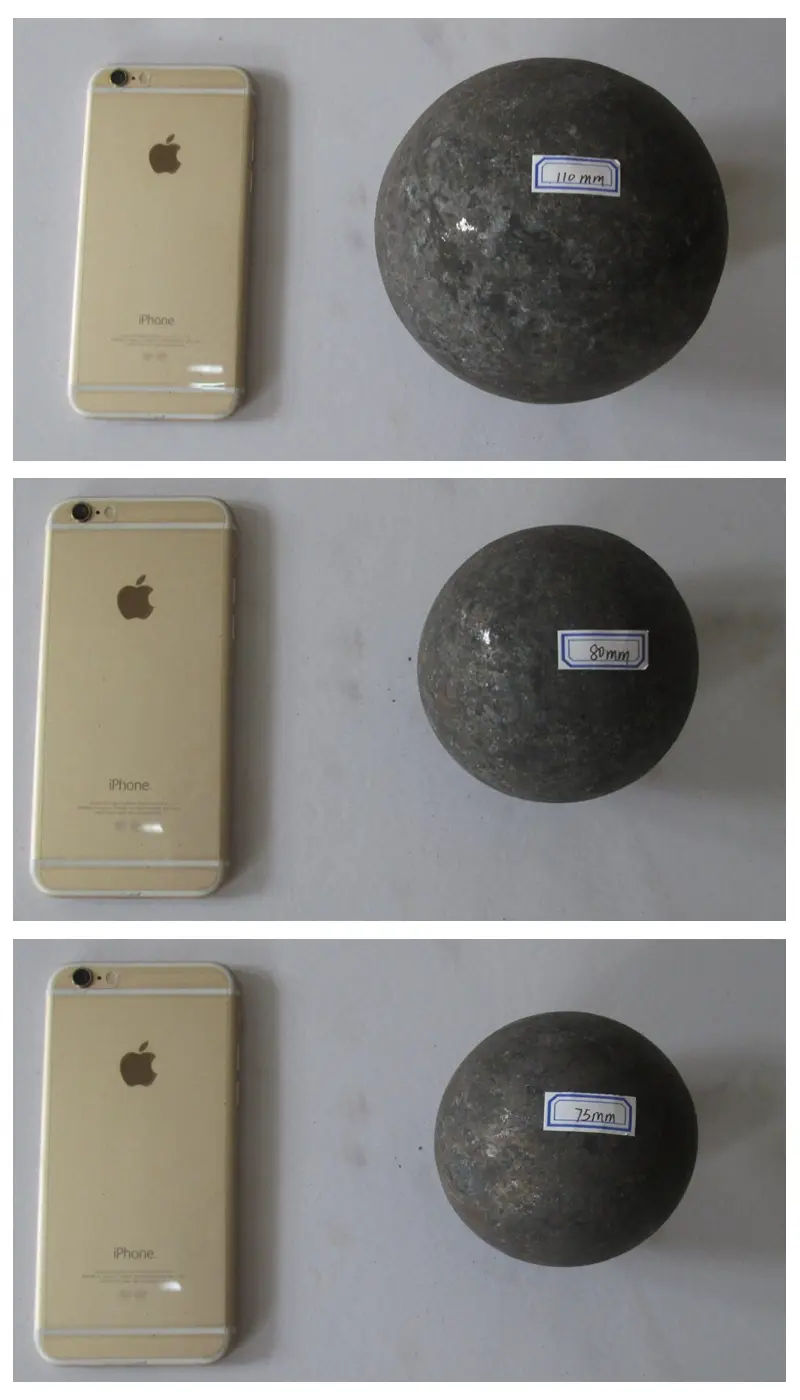
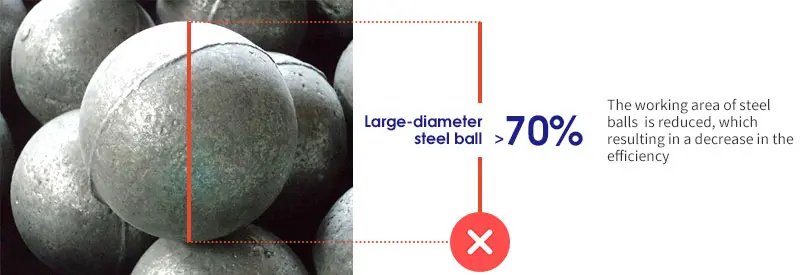
Ball mill balls come in a wide range of diameters. Small balls (10-30 mm) are used for fine grinding of soft materials. Medium balls (40-70 mm) are general-purpose grinding media for many ores. Large balls (80-150 mm) are used for coarse grinding of hard materials in primary mills.
Most manufacturers produce balls from 10 mm up to 150 mm. Some suppliers offer balls as large as 220 mm for special applications.
How to Choose the Right Ball Size
A common rule of thumb: the grinding balls should be approximately three times larger than the largest particles of the material you intend to grind. This ensures sufficient impact force to break the largest pieces.
The ideal ball size also depends on the material being ground. For grinding tungsten ore, research has identified that 55 mm balls work best for 2.36-3.0 mm feed, while 20 mm balls are optimal for 0.30-0.60 mm material. A balanced mix of ball sizes often performs best. One optimized proportion used in practice is 70:50:40:30 balls at a ratio of 20:30:20:30.
Where to Find Ball Mill Balls for Sale
Many suppliers offer ball mill balls for sale. Global manufacturers include Magotteaux, Moly-Cop, TOYO Grinding Ball, Scaw Metals Group, and AIA Engineering. Major Chinese manufacturers include Longteng Special Steel, Jinan Xinte, Shandong Huamin, Jinan Huafu, and Dongyuan Steel Ball.
As a trusted ball mill manufacturer, we, Xingaonai, also provide high-quality grinding media. The steel balls used in our ball mills are made of high-quality steel integrated with high-end technology, offering good wear resistance and pressure resistance. We design our grinding balls to improve grinding efficiency and extend service life.
Price Considerations
Prices for ball mill balls for sale vary by type, size, and quality. Factors that influence price include material composition, manufacturing process, hardness level, and order quantity. Minimum order quantities typically range from 1 to 20 tons.
Please contact us directly for a quote. We offer customized solutions and will help you find the best value for your grinding media needs.
Tips for Buying Ball Mill Balls
When you are ready to buy ball mill balls for sale, follow these steps:
1. Test before you buy. Request samples from shortlisted suppliers and test them in your mill or in a lab. Check hardness, roundness, and drop impact resistance.
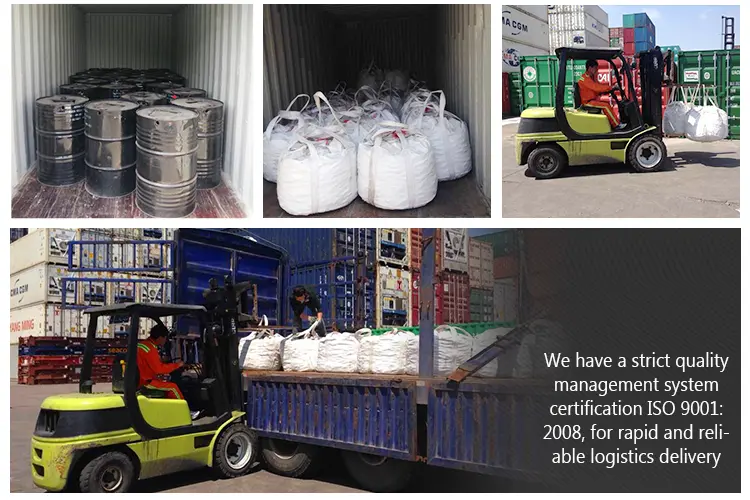
2. Look for certifications. Choose suppliers with quality management systems and consistent production standards.
3. Consider total cost, not just price per ton. A more expensive ball that lasts longer may be cheaper per ton of material processed.
4. Match ball type to your operation. Forged balls are better for high-impact mills. Cast high chrome balls are better for wear-intensive applications.
5. Work with a reliable supplier. Choose a manufacturer with a proven track record and good customer support.
Conclusion
Ball mill balls for sale come in many types, sizes, and price ranges. Forged steel balls offer high impact toughness for large mills, while cast steel balls, especially high chrome varieties, provide excellent wear resistance for continuous grinding operations. Understanding your material, mill type, and operational conditions will help you select the right grinding media for your needs. Take the time to test samples and compare suppliers to ensure you get the best value for your investment.