

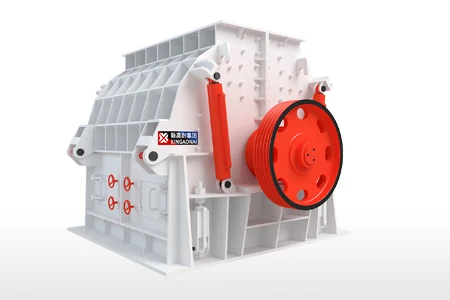
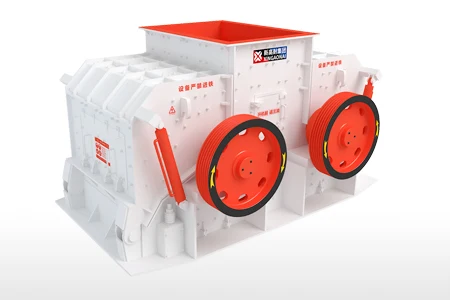
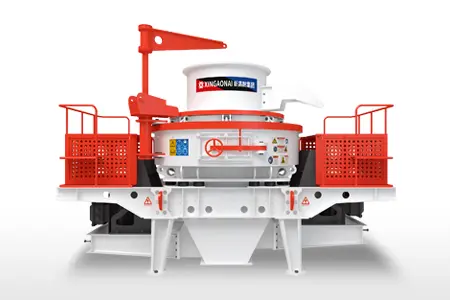
Machine-made sand, also known as manufactured sand, is a high-quality alternative to natural sand, widely used in construction, concrete production, and road building. It is processed by crushing hard rocks like granite, basalt, or limestone into particles with controlled sizes.
Excellent machine-made sand must comply with strict industry standards to ensure performance, durability, and safety in practical applications. These standards cover particle properties, impurity content, and mechanical performance.
Core Quality Standards for Excellent Machine-Made Sand
The quality of machine-made sand is evaluated by multiple key indicators, each of which directly affects its usability in different projects.
1. Particle Gradation Standard
Particle gradation refers to the distribution of machine-made sand particles of different sizes. Excellent machine-made sand should have a continuous and uniform gradation, with no excessive concentration of single-size particles.
Generally, the content of particles with a size of 0.15-5mm should account for over 90%, ensuring good compactness when mixed with cement and aggregates.
2. Stone Powder Content Standard
Stone powder (particles smaller than 0.075mm) is a by-product of machine-made sand processing, and its content must be strictly controlled. Excessive stone powder affects concrete workability and strength.
For general construction projects, the stone powder content of machine-made sand should not exceed 7%; for high-strength concrete, it should be controlled below 5%.
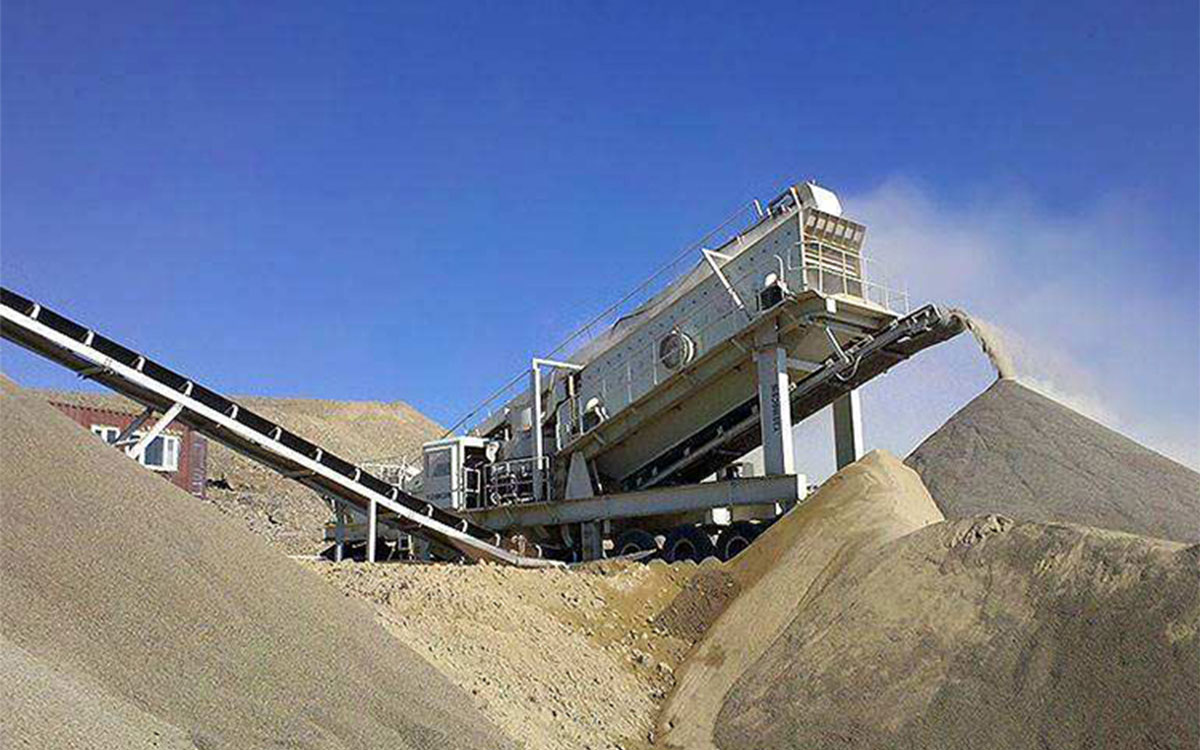
3. Moisture Content Standard
Moisture content directly impacts the storage, transportation, and mixing performance of machine-made sand. High moisture content causes agglomeration, affecting construction quality.
Excellent machine-made sand should have a moisture content of 2-5%, avoiding both excessive dryness (dust pollution) and excessive wetness (agglomeration).
4. Mechanical Strength Standard
The crushing value and firmness of machine-made sand reflect its mechanical strength and wear resistance. These indicators determine the durability of concrete and other mixtures.
The crushing value of machine-made sand should be less than 30%, and the firmness loss rate should not exceed 8%, ensuring it can withstand long-term load and wear.
5. Harmful Substance Content Standard
Harmful substances such as chloride ions, sulfates, and organic impurities in machine-made sand will corrode steel bars and reduce the durability of concrete structures.
Excellent machine-made sand must meet the requirement: chloride ion content ≤0.02%, sulfate content ≤0.5%, and no harmful organic impurities.
6. Particle Shape Standard
The particle shape of machine-made sand affects the workability and bonding force of concrete. Angular particles have better bonding force but may reduce fluidity if overly sharp.
Excellent machine-made sand should have more cubical particles, with the content of needle-like and flaky particles controlled below 15%.
Industry-Specific Standards for Machine-Made Sand
Different application scenarios have more targeted standards for machine-made sand, ensuring it adapts to specific project requirements.
1. Construction & Concrete Projects
For ready-mixed concrete and reinforced concrete projects, machine-made sand must comply with GB/T 14684 (Chinese standard) or ASTM C33 (American standard), focusing on gradation and harmful substances.
2. Road & Bridge Construction
In road base and surface engineering, machine-made sand needs higher strength and wear resistance, with crushing value controlled below 26% to withstand vehicle loads.
3. Precast Component Production
Precast components (e.g., concrete blocks, panels) require machine-made sand with strict particle shape and gradation, ensuring component precision and structural stability.
Importance of Meeting Machine-Made Sand Standards
Adhering to quality standards for machine-made sand is crucial for project safety, durability, and cost control. Substandard machine-made sand may lead to concrete cracking, structural failure, and rework.
Excellent machine-made sand that meets standards not only replaces natural sand sustainably but also improves the performance of building materials.
Conclusion
Excellent machine-made sand must meet strict standards in particle gradation, stone powder content, moisture content, mechanical strength, harmful substances, and particle shape.
Compliance with these standards ensures machine-made sand’s applicability in various construction projects, promoting sustainable development of the construction industry.