

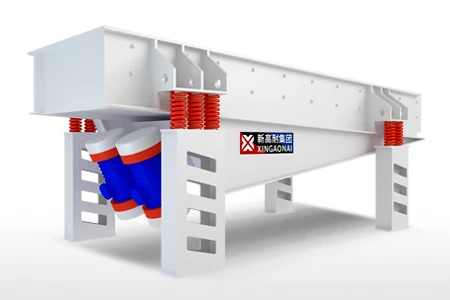
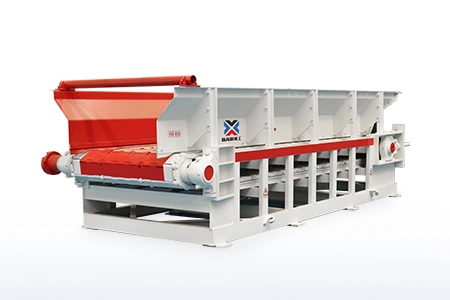
In the complex world of mineral processing, aggregate production, and recycling, the efficiency of the entire operation often hinges on the first stage of material handling. Before raw ore or crushed stone reaches the primary crusher, it must be regulated and sorted. This is where the vibrating feeder screen becomes an indispensable asset. By combining the functions of feeding and scalping into a single unit, this machine streamlines operations, reduces wear on downstream equipment, and maximizes overall productivity.
What is a Vibrating Feeder Screen?
A vibrating feeder screen is a robust piece of industrial machinery designed to perform two simultaneous tasks: feeding material at a controlled rate and screening out fines or oversized particles. Unlike a standard vibrating feeder that simply transports material, or a standalone screen that only sorts it, this hybrid unit integrates a grizzly section or a mesh deck directly into the feeding trough.
As material travels along the vibrating pan, smaller particles fall through the openings (grizzly bars or mesh), bypassing the primary crusher. This process, known as "scalping," ensures that only the material requiring further reduction enters the crushing chamber. Meanwhile, the vibration mechanism ensures a consistent flow, preventing bridging in hoppers and eliminating bottlenecks in the production line.
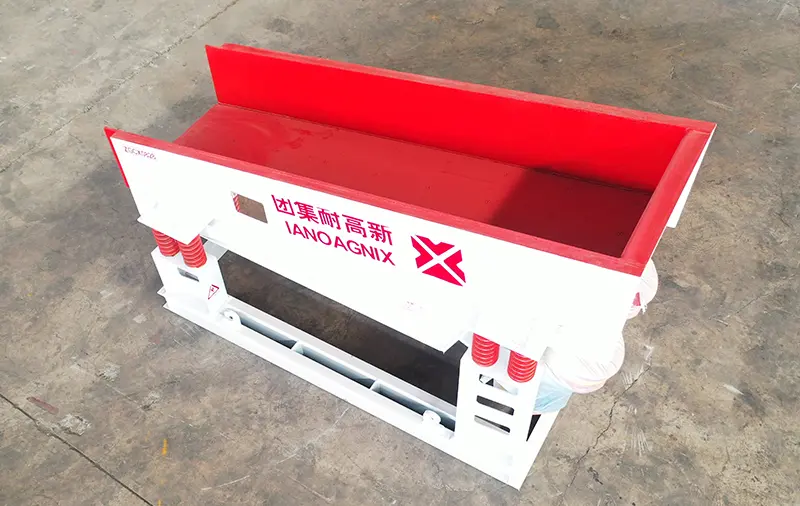
Key Benefits of Integrating a Vibrating Feeder Screen
The decision to install a vibrating feeder screen offers several strategic advantages for plant operators:
1. Enhanced Crusher Efficiency
By removing fine material before it enters the crusher, the vibrating feeder screen prevents the crushing chamber from becoming packed with material that is already small enough. This increases the crusher's capacity to handle larger rocks and reduces the energy consumption per ton of processed material.
2. Reduced Wear and Tear
One of the most significant cost savings comes from extended component life. When fines are removed early, there is less abrasion on crusher liners, mantles, and concaves. A high-quality vibrating feeder screen acts as a protective barrier, significantly lowering maintenance costs and downtime associated with part replacements.
3. Consistent Feed Rate
Fluctuations in material flow can cause crushers to choke or run empty, both of which are inefficient. The vibrating action of the vibrating feeder screen ensures a steady, uniform stream of material. This stability allows the crusher to operate at its optimal setting, improving the quality of the final product.
4. Space and Cost Savings
Installing a separate feeder and a separate screen requires more floor space, additional support structures, and multiple drive systems. By combining these functions, a vibrating feeder screen reduces the plant's footprint and lowers the initial capital expenditure as well as long-term operational costs.
Applications Across Industries
The versatility of the vibrating feeder screen makes it suitable for a wide range of applications:
Mining: Used extensively in iron ore, copper, and gold operations to scalp fine dust and dirt from run-of-mine ore before primary crushing.
Aggregates: Essential in quarries for separating natural sand and gravel from larger stones destined for the jaw or gyratory crusher.
Recycling: In construction and demolition waste processing, these units help remove soil and small debris from concrete and asphalt chunks, ensuring cleaner input for impact crushers.
Selecting the Right Vibrating Feeder Screen
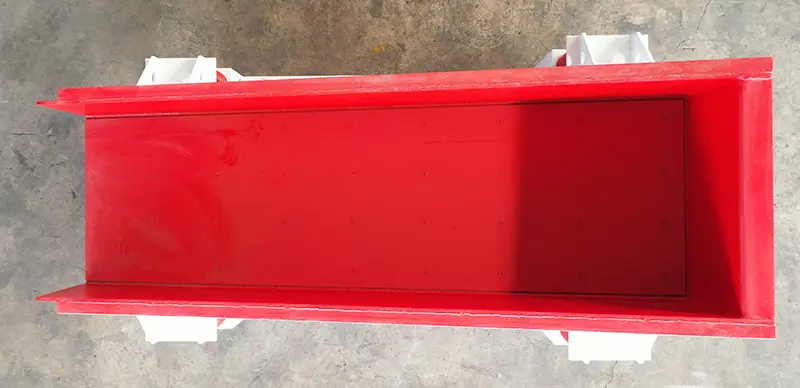
When choosing a vibrating feeder screen, operators must consider several factors to ensure optimal performance. The size of the feed opening, the amplitude and frequency of the vibration, and the type of screening media (grizzly bars vs. wire mesh) must be matched to the specific material characteristics, such as moisture content, abrasiveness, and lump size.
Modern designs often feature adjustable vibration settings, allowing operators to fine-tune the feed rate and screening efficiency in real-time. Additionally, robust construction with heavy-duty springs and durable side plates is crucial for withstanding the harsh environments typical of mining and quarrying sites.
Conclusion
In an industry where uptime and efficiency dictate profitability, the vibrating feeder screen stands out as a smart engineering solution. By effectively combining material regulation and pre-screening, it protects valuable crushing equipment, reduces operational costs, and ensures a smooth production flow. Whether for a new plant installation or an upgrade to an existing circuit, investing in a high-performance vibrating feeder screen is a strategic move toward more sustainable and profitable operations.