

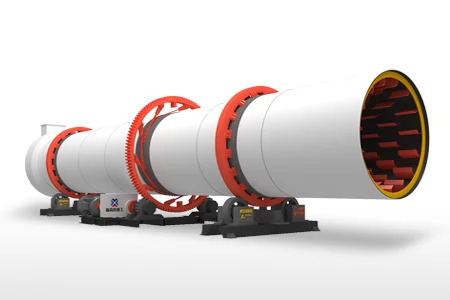
Rotary dryers are versatile industrial equipment used to remove moisture from a wide range of materials, including minerals, aggregates, chemicals, food products, and waste. Their ability to handle large volumes of material, adapt to different feed types, and deliver consistent drying results makes them a popular choice in industries such as mining, cement, agriculture, and chemical processing. However, like any equipment, rotary dryers have their strengths and limitations. Understanding rotary dryer advantages and disadvantages is critical for plant managers, engineers, and procurement teams tasked with selecting the right drying equipment for their specific application.
Choosing a rotary dryer without evaluating its advantages and disadvantages can lead to inefficiency, increased operational costs, and poor performance. This article provides a comprehensive overview of rotary dryer advantages and disadvantages, explores key factors that influence their suitability for different applications, and offers tips to help you make an informed decision when selecting a rotary dryer.
What is a Rotary Dryer?
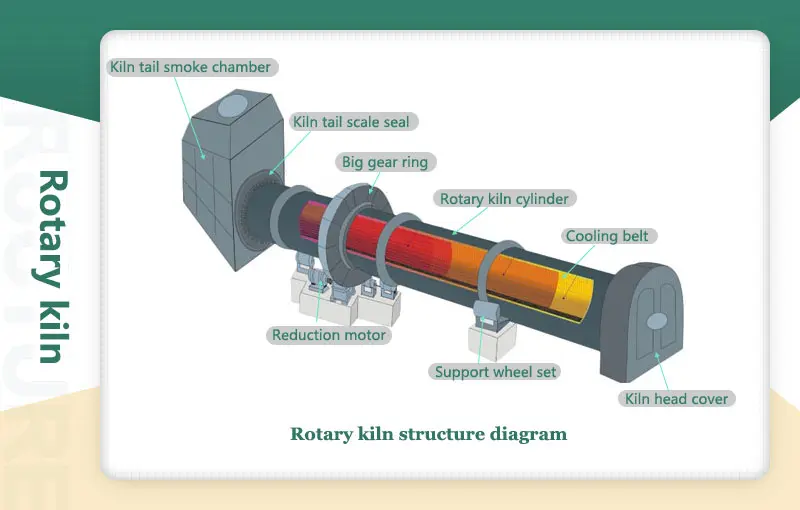
A rotary dryer is a cylindrical, rotating device designed to dry wet materials by passing hot gas through or around the material as it tumbles inside the drum. The drum is typically inclined at a slight angle, allowing the material to move from the feed end to the discharge end as it rotates. Rotary dryers can be categorized based on the heating method (direct or indirect) and the type of material they process, but their core working principle remains consistent: heat transfer to remove moisture.
The design and size of rotary dryers vary based on the application, with capacities ranging from small laboratory units to large industrial systems capable of processing tons of material per hour. To fully appreciate their value, it’s essential to examine rotary dryer advantages and disadvantages in the context of specific operational needs.
Rotary Dryer Advantages
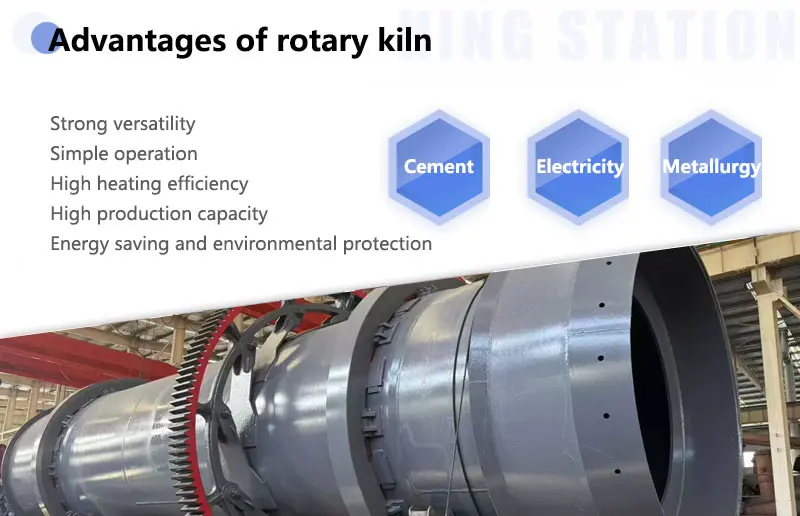
Rotary dryers offer numerous benefits that make them a preferred choice for many industrial drying applications. Below are the key advantages of rotary dryers, organized by their practical impact on operations:
1. High Processing Capacity
One of the most significant rotary dryer advantages is their ability to handle large volumes of material. Unlike smaller drying equipment (e.g., tray dryers), rotary dryers can process tons of wet material per hour, making them ideal for high-throughput industrial operations. This high capacity ensures that production schedules are met efficiently, reducing bottlenecks in the material processing line.
2. Versatility in Material Compatibility
Rotary dryers are highly versatile and can handle a wide range of materials, including granular, powdery, crystalline, and even sticky substances. They work effectively with materials of varying moisture content (from slightly damp to highly wet) and can be adapted to dry heat-sensitive materials by adjusting the temperature and airflow. This versatility makes them suitable for diverse industries, from mining (drying ores and aggregates) to food processing (drying grains and fruits).
3. Uniform Drying Results
The rotating drum of a rotary dryer ensures that material is continuously tumbled and mixed, promoting uniform heat distribution. This results in consistent moisture content in the dried product, which is critical for quality control in industries where product consistency is essential (e.g., chemical manufacturing, construction materials). Uniform drying also reduces the risk of material clumping or uneven quality.
4. Simple Operation and Low Labor Requirements
Rotary dryers are designed for straightforward operation, with minimal manual intervention required. Once the dryer is set up and parameters (temperature, airflow, rotation speed) are adjusted, it can operate continuously with little supervision. This reduces labor costs and allows operators to focus on other critical tasks, improving overall operational efficiency.
5. Durability and Long Service Life
Rotary dryers are built with robust materials (e.g., carbon steel, stainless steel) to withstand harsh industrial environments, high temperatures, and abrasive materials. Their simple, sturdy design minimizes the risk of mechanical failure, and with proper maintenance, they can operate reliably for many years. This durability makes them a long-term investment that delivers consistent value.
6. Scalability
Another key rotary dryer advantage is scalability. Rotary dryers can be designed to match the specific capacity needs of an operation, and they can be expanded or modified as production requirements grow. This flexibility makes them suitable for both small-scale and large-scale operations, and allows businesses to adapt to changing market demands.
Rotary Dryer Disadvantages
Despite their many benefits, rotary dryers also have limitations that must be considered when selecting drying equipment. Below are the key disadvantages of rotary dryers:
1. High Energy Consumption
One of the most significant rotary dryer disadvantages is their high energy consumption. Drying large volumes of material requires substantial heat, which typically comes from fossil fuels (e.g., natural gas, coal) or electricity. This high energy use increases operational costs, especially in regions with high energy prices, and can have a larger environmental footprint compared to more energy-efficient drying technologies.
2. Large Footprint
Rotary dryers are large, bulky equipment that require significant floor space. Their cylindrical design, combined with the need for additional components (e.g., heating systems, feeders, discharge conveyors), means they take up more space than smaller drying equipment. This can be a challenge for facilities with limited space, requiring careful planning during installation.
3. High Initial Investment and Maintenance Costs
Rotary dryers have a high upfront cost due to their size, robust construction, and complex components. Additionally, maintenance costs can be significant: the rotating drum, bearings, and seals are subject to wear and tear, requiring regular inspection, lubrication, and replacement. These costs can be a barrier for small businesses or operations with limited budgets.
4. Not Ideal for Fragile Materials
The tumbling action inside the rotary dryer can cause damage to fragile materials (e.g., delicate crystals, brittle ores). The constant movement and impact can lead to breakage, reducing product quality and increasing waste. For applications involving fragile materials, rotary dryers may not be the best choice, and alternative drying technologies (e.g., fluidized bed dryers) may be more suitable.
5. Potential for Dust Emissions
Rotary dryers can generate significant dust during operation, especially when drying powdery or granular materials. This requires additional dust collection systems to comply with environmental regulations and protect worker health. Installing and maintaining dust collection equipment adds to the overall cost and complexity of the drying system.
6. Long Start-Up and Shutdown Times
Rotary dryers require time to heat up to the desired operating temperature before they can start drying material. Similarly, they need time to cool down after shutdown. These long start-up and shutdown times reduce operational flexibility, especially for operations that require frequent changes in material type or batch processing.
Key Factors to Consider When Evaluating Rotary Dryer Advantages and Disadvantages
To determine if a rotary dryer is the right choice for your application, it’s important to balance rotary dryer advantages and disadvantages against your specific operational needs. Consider the following factors:
Material type and characteristics: Is the material fragile, abrasive, or heat-sensitive? Rotary dryers are ideal for robust, non-fragile materials but may not be suitable for delicate ones.
Throughput requirements: Do you need to process large volumes of material? Rotary dryers excel at high-throughput operations.
Energy costs: Can your operation absorb the high energy consumption of a rotary dryer? Consider alternative technologies if energy efficiency is a top priority.
Space availability: Do you have enough floor space for a rotary dryer and its associated components?
Budget: Can you afford the high initial investment and ongoing maintenance costs?
Conclusion
Rotary dryer advantages and disadvantages must be carefully evaluated to determine if this equipment is the right fit for your industrial drying needs. Their high capacity, versatility, uniform drying, and durability make them an excellent choice for high-throughput operations handling robust materials. However, their high energy consumption, large footprint, and maintenance costs may be prohibitive for some applications.
By understanding the pros and cons of rotary dryers and aligning them with your specific operational requirements, you can make an informed decision that maximizes efficiency, reduces costs, and ensures high-quality dried products. For many industries, the benefits of rotary dryers outweigh their limitations, making them a reliable and valuable asset in the material processing line.