

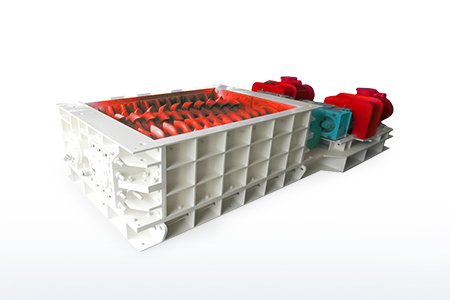
Double roll crushers (also known as roll crushers) are widely used in industrial applications for crushing medium-hard to soft materials, including coal, limestone, gypsum, ore, and construction waste. The effectiveness of a double roll crusher largely depends on its design—from component selection to structural layout, every detail influences crushing efficiency, product quality, and operational longevity. Understanding double roll crusher design is essential for engineers, plant managers, and design professionals tasked with selecting or optimizing this equipment for specific industrial needs.
Unlike other crusher types, double roll crushers operate by squeezing material between two rotating rolls, making them ideal for applications requiring uniform particle size, minimal dust generation, and gentle crushing. This unique working principle makes them suitable for industries such as mining, cement production, chemical processing, and aggregate manufacturing. This article provides a comprehensive guide to double roll crusher design, including core components, key design considerations, optimization strategies, and the impact of design choices on overall performance.
What is a Double Roll Crusher?
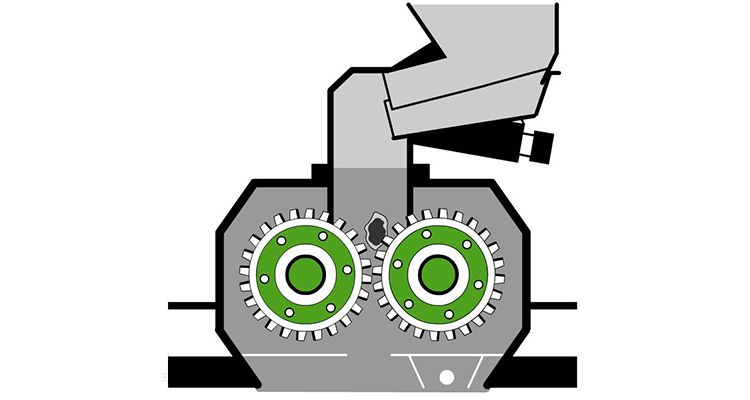
A double roll crusher is a type of compression crusher that features two parallel, rotating rolls mounted on a sturdy frame. The rolls rotate in opposite directions, and material is fed between them, where it is squeezed and crushed to the desired size. The design of the double roll crusher focuses on delivering consistent, uniform crushing, with adjustable roll gaps to control the final product size.
Double roll crusher design varies based on the application, with differences in roll size, material, and drive system to accommodate different material types and crushing requirements. From small-scale laboratory units to large industrial machines, the core design principles remain consistent—reliable compression crushing with minimal wear and maximum efficiency.
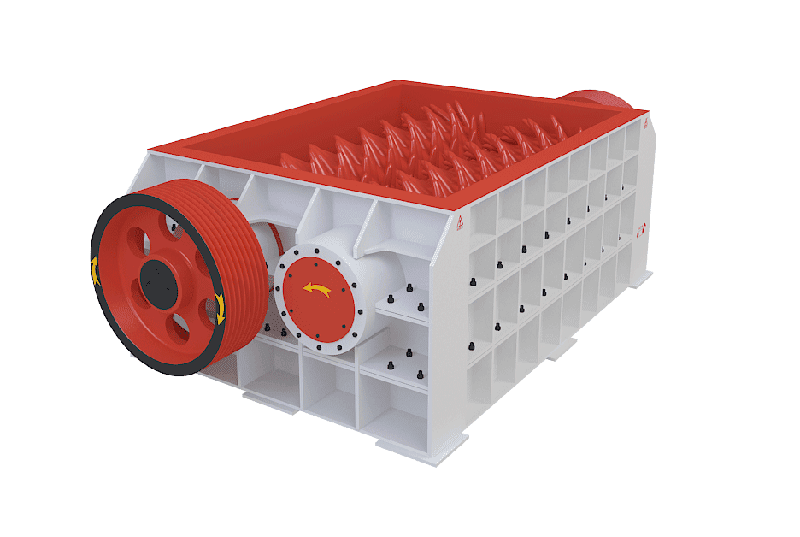
Key Components of Double Roll Crusher Design
Double roll crusher design relies on several critical components that work together to ensure efficient, reliable crushing. Each component’s design and selection directly impacts the crusher’s performance, lifespan, and maintenance requirements:
1. Crushing Rolls
The crushing rolls are the heart of double roll crusher design, responsible for applying the compression force needed to crush material. These rolls are typically cylindrical, with a diameter and length tailored to the application’s throughput and material type. The roll surface design varies based on the material—smooth rolls for soft materials (e.g., coal), grooved or toothed rolls for harder materials (e.g., ore) to improve grip and crushing efficiency. The rolls are made from high-wear-resistant materials, such as manganese steel or alloy steel, to withstand the abrasive nature of crushing.
2. Roll Bearings
Roll bearings support the rotating rolls, allowing them to spin smoothly with minimal friction. Double roll crusher design requires high-quality bearings that can withstand heavy loads, high speeds, and harsh operating conditions. The bearings are mounted on the roll shafts and enclosed in a bearing housing to protect them from dust, dirt, and moisture. Proper lubrication of bearings is critical to their lifespan, and the design often includes a lubrication system for easy maintenance.
3. Frame and Housing
The frame and housing provide structural support for all components of the double roll crusher. The design must be robust enough to withstand the forces generated during crushing, including the compression force applied to the rolls and the impact of feed material. The frame is typically made from heavy-duty steel, with a rigid structure to prevent deflection or vibration. The housing encloses the rolls and other internal components, protecting them from damage and preventing dust leakage.
4. Drive System
The drive system is responsible for powering the rotating rolls. Double roll crusher design often uses an electric motor connected to a gearbox or belt drive to transmit power to the rolls. The drive system must be sized to match the crusher’s capacity and the material’s hardness, ensuring the rolls rotate at a consistent speed for uniform crushing. Some designs include variable speed drives to adjust the roll speed based on the material type and desired product size.
5. Gap Adjustment Mechanism
A key feature of double roll crusher design is the gap adjustment mechanism, which allows operators to control the distance between the two rolls. This adjustment determines the final product size— a smaller gap produces a finer product, while a larger gap produces a coarser product. The mechanism can be manual (for small crushers) or hydraulic/pneumatic (for large, industrial crushers), designed for easy adjustment and precise control.
6. Feed and Discharge Systems
The feed system ensures uniform material flow into the crusher, preventing overloading and uneven crushing. It typically includes a feed hopper and a feeder (e.g., vibratory feeder) to regulate the feed rate. The discharge system collects the crushed material and transports it to the next stage of processing, often using a conveyor belt. Double roll crusher design must ensure the feed and discharge systems are aligned with the rolls to maximize efficiency and minimize material buildup.
Key Considerations in Double Roll Crusher Design
Designing an effective double roll crusher requires careful consideration of several application-specific factors to ensure it meets performance goals and operates efficiently over time:
1. Material Characteristics
The type, hardness, moisture content, and particle size of the feed material are critical to double roll crusher design. Soft, non-abrasive materials (e.g., coal) require smooth rolls and less robust construction, while hard, abrasive materials (e.g., granite) require toothed/grooved rolls and wear-resistant materials. High-moisture materials may require specialized roll surfaces to prevent clogging.
2. Throughput and Product Size Requirements
Throughput (volume of material processed per hour) and desired product size dictate the size of the rolls (diameter and length) and the crusher’s overall design. Larger rolls and a wider roll length increase throughput, while the gap adjustment mechanism ensures the product meets the required size specifications. Double roll crusher design must balance throughput with product quality to avoid overcrushing or undercrushing.
3. Wear Resistance
Given the abrasive nature of crushing, wear resistance is a key consideration in double roll crusher design. The rolls, bearings, and other components must be made from high-wear materials to extend their lifespan and reduce maintenance costs. Surface treatments (e.g., hardening, coating) can also be applied to rolls to enhance wear resistance.
4. Vibration and Noise Control
Double roll crushers generate vibration and noise during operation, which can impact equipment performance and operator comfort. The design must include vibration damping features (e.g., shock absorbers, rubber mounts) to reduce vibration and noise. A rigid frame also helps minimize vibration, preventing damage to other components.
5. Maintenance and Accessibility
Double roll crusher design should prioritize ease of maintenance, as regular roll replacement, bearing lubrication, and cleaning are essential for long-term performance. The design may include access doors, removable roll assemblies, and a modular layout to allow for easy maintenance, reducing downtime.
Optimization Tips for Double Roll Crusher Design
To maximize the efficiency, lifespan, and cost-effectiveness of a double roll crusher, consider the following design optimization tips:
Select the right roll surface design based on the material type: smooth rolls for soft materials, toothed/grooved rolls for hard, abrasive materials to improve grip and crushing efficiency.
Optimize roll size and speed: Larger rolls and higher speeds increase throughput, but must be balanced with material hardness to avoid excessive wear.
Incorporate a hydraulic gap adjustment mechanism for precise control of product size and easy adjustment during operation.
Use high-wear-resistant materials for rolls and bearings to extend component lifespan and reduce maintenance frequency.
Design the feed system to ensure uniform material distribution across the roll length, preventing uneven wear and inconsistent crushing.
Common Double Roll Crusher Design Challenges & Solutions
While double roll crushers are reliable, their design can face challenges that impact performance. Below are common issues and design solutions:
1. Roll Wear and Uneven Wear
Challenge: Rolls wear unevenly due to uneven material feeding or abrasive materials. Solution: Design a uniform feed system, use wear-resistant roll materials, and incorporate a roll rotation mechanism to distribute wear evenly.
2. Material Clogging
Challenge: High-moisture or sticky materials clog the roll gap. Solution: Design rolls with a textured surface to prevent sticking, and include a cleaning mechanism (e.g., scrapers) to remove material buildup.
3. Excessive Vibration
Challenge: Vibration reduces equipment lifespan and operator comfort. Solution: Incorporate vibration damping features, ensure a rigid frame design, and balance the rolls to minimize vibration.
Conclusion
Double roll crusher design is a balanced process that requires careful consideration of material characteristics, performance goals, and operational needs. A well-designed double roll crusher delivers consistent, uniform crushing, long component lifespan, and low maintenance costs, making it an essential piece of equipment in many industrial applications.
By understanding the key components, design considerations, and optimization strategies, engineers and plant managers can design or select a double roll crusher that meets their specific needs, ensuring efficient, reliable operation and maximizing return on investment. As industries continue to prioritize efficiency and product quality, the importance of thoughtful double roll crusher design will remain critical.