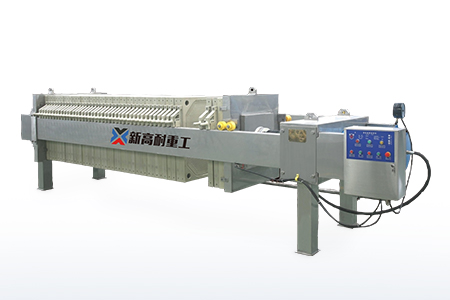
Plate and frame filter press operation is a critical process in industrial solid-liquid separation, used across chemical, pharmaceutical, food and beverage, mining, and wastewater treatment industries. A plate and frame filter press is a robust piece of equipment designed to separate suspended solids from liquids by applying pressure, producing dry filter cakes and clear filtrate. Mastering
plate and frame filter press operation is essential to ensure consistent performance, maximize filtration efficiency, minimize downtime, and reduce operational costs—whether you’re operating a small-scale lab unit or a large industrial filter press.
Unlike other filtration equipment, plate and frame filter press operation relies on a simple yet effective mechanism: alternating filter plates and frames are clamped together to form sealed chambers, where the slurry (solid-liquid mixture) is pumped under pressure. The filter cloths attached to the plates trap solids, forming a filter cake, while the liquid passes through the cloths as filtrate. Proper plate and frame filter press operation involves precise control of pressure, slurry feed rate, and cycle times, as well as careful preparation and maintenance of key components.
Core Principles of Plate and Frame Filter Press Operation
Before diving into the step-by-step operation, understanding the core principles of plate and frame filter press operation is key to optimizing performance and troubleshooting issues. The entire process revolves around three key stages: clamping, feeding, and cake discharge—each requiring careful attention to detail.
During plate and frame filter press operation, the filter plates (equipped with filter cloths) and frames are clamped tightly together using a hydraulic or manual clamping system, creating a series of closed filtration chambers. Slurry is then pumped into these chambers under high pressure (typically 10-100 bar, depending on the application). The filter cloth acts as a barrier: solids are retained in the chambers, forming a dense filter cake, while the liquid (filtrate) passes through the cloth, flows through the filtrate channels in the plates, and is collected in a storage tank.
Once the filtration chambers are full of filter cake (or the filtrate flow rate drops to a minimum), the pressure is released, the plates are unclamped, and the filter cake is discharged manually or automatically. The efficiency of plate and frame filter press operation depends on balancing pressure, feed rate, and filter cloth condition—all of which directly impact the quality of the filtrate and the dryness of the filter cake.
Step-by-Step Plate and Frame Filter Press Operation Guide
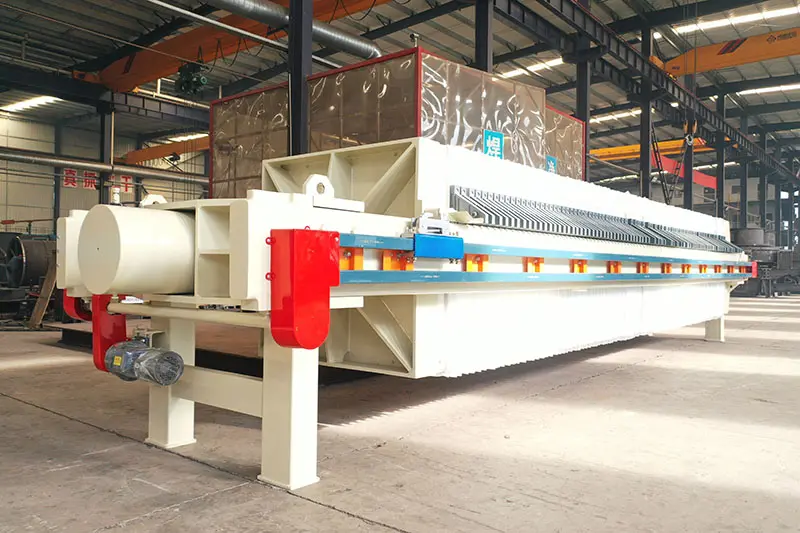
Follow this detailed, step-by-step process for safe and efficient plate and frame filter press operation. These steps apply to most industrial plate and frame filter presses, though minor adjustments may be needed based on the equipment model and application.
1. Pre-Operation Preparation (Critical for Smooth Operation)
Proper preparation is the foundation of successful
plate and frame filter press operation, as it prevents clogs, leaks, and equipment damage. Skip this step at your peril—poor preparation often leads to costly downtime.
Inspect Filter Plates and Frames: Check all filter plates and frames for cracks, warping, or damage. Ensure the sealing surfaces (gaskets) are clean, intact, and free of debris—damaged gaskets will cause leaks during pressure application. Replace any cracked plates or worn gaskets before starting.
Check Filter Cloths: Inspect the filter cloths attached to each plate for tears, holes, or clogging. Ensure the cloths are properly aligned and secured to the plates (loose cloths will disrupt filtration). Clean or replace clogged or damaged filter cloths—dirty cloths reduce filtration efficiency and increase pressure requirements.
Prepare the Slurry: Ensure the slurry is properly mixed and has a consistent viscosity. Undissolved solids or uneven slurry concentration can cause uneven filter cake formation and clogs during plate and frame filter press operation. If needed, add flocculants or coagulants to improve solids settling and filtration speed.
Check Clamping System: For hydraulic clamping systems, check the hydraulic fluid level and pressure. For manual systems, ensure the clamping mechanism is in good working order. Verify that the plates and frames can be clamped tightly without gaps—loose clamping will cause leaks under pressure.
Inspect Pumps and Piping: Check the slurry feed pump, filtrate discharge piping, and pressure gauges for leaks, blockages, or damage. Ensure the pressure gauges are calibrated and accurate—precise pressure monitoring is critical for plate and frame filter press operation.
2. Clamping the Plates and Frames
Clamping is a crucial stage of plate and frame filter press operation, as it creates the sealed chambers needed for pressure filtration. Improper clamping leads to leaks, reduced pressure, and poor filtration results.
Ensure all plates and frames are aligned correctly in the filter press frame—misaligned plates will cause uneven pressure distribution and leaks.
Activate the clamping system (hydraulic or manual) to tighten the plates and frames. For hydraulic systems, slowly increase the clamping pressure to the manufacturer’s recommended level (typically 15-30 bar). Do not over-clamp, as this can damage the plates or gaskets.
Verify that all plates and frames are tightly sealed—check for gaps between plates, which indicate improper clamping. If gaps are present, release the pressure, realign the plates, and re-clamp.
3. Slurry Feeding and Filtration
This is the core stage of plate and frame filter press operation, where the actual solid-liquid separation occurs. Precise control of feed rate and pressure is key to optimizing efficiency.
Start the slurry feed pump and slowly introduce the slurry into the filtration chambers. Begin with a low feed rate to allow the filter cloths to “prime” (trap initial solids) and form a thin filter cake—this prevents the cloths from clogging prematurely.
Gradually increase the feed pressure to the recommended operating pressure (varies by application, typically 20-80 bar). Monitor the pressure gauge closely—excessive pressure can damage the plates, frames, or filter cloths, while insufficient pressure results in slow filtration and wet filter cakes.
Monitor the filtrate flow rate and clarity. During normal plate and frame filter press operation, the filtrate should be clear (or meet your application’s standards). A sudden drop in flow rate indicates clogged filter cloths or full filtration chambers. Cloudy filtrate means the filter cloths are damaged or misaligned.
Maintain consistent pressure and feed rate throughout the filtration cycle. Avoid sudden pressure spikes, as they can cause filter cloth damage and leaks.
4. Filter Cake Formation and Compression
As slurry is pumped into the chambers, solids accumulate on the filter cloths, forming a filter cake. The goal of this stage in plate and frame filter press operation is to form a dense, dry cake that is easy to discharge.
Continue feeding slurry until the filtration chambers are full of filter cake, or until the filtrate flow rate drops to a minimum (indicating the cake is fully formed).
For optimal cake dryness, apply a final pressure hold (compression stage) for 5-15 minutes (varies by application). This compresses the filter cake, squeezing out any remaining liquid and reducing moisture content—critical for reducing waste disposal costs and improving process efficiency.
Monitor the cake formation—uneven cake thickness indicates uneven slurry distribution or clogged filter cloths. If this occurs, stop the feed, release pressure, and inspect the cloths and plates before restarting.
5. Discharge and Post-Operation Cleaning
Once the filtration cycle is complete, the final stage of
plate and frame filter press operation involves discharging the filter cake and cleaning the equipment to prepare for the next cycle.
Release the pressure from the filtration chambers by opening the filtrate discharge valves and stopping the feed pump. Allow any remaining filtrate to drain completely.
Activate the unclamping system to松开 the plates and frames. For automatic filter presses, the plates will separate automatically; for manual models, separate the plates one by one.
Discharge the filter cake—this can be done manually (scraping the cake from the plates) or automatically (using cake discharge mechanisms). Ensure all cake is removed from the plates and frames to prevent buildup in the next cycle.
Clean the filter plates, frames, and filter cloths. Rinse the cloths with clean water to remove any remaining cake particles—clogged cloths will reduce efficiency in future operations. Wipe down the sealing surfaces to remove debris and ensure a tight seal in the next cycle.
Reclamp the plates and frames (loosely) to protect the sealing surfaces and filter cloths during storage. Turn off all equipment and disconnect power if not in use.
Key Operational Tips for Optimizing Plate and Frame Filter Press Operation
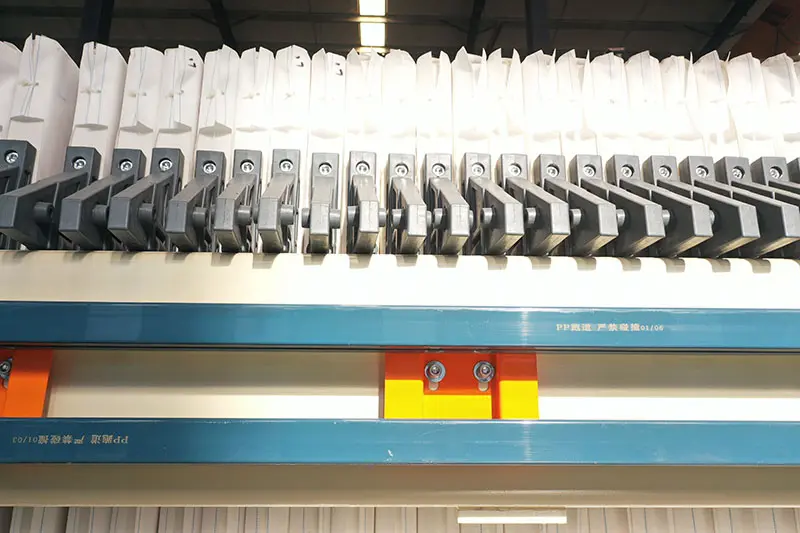
To maximize efficiency, reduce downtime, and extend the life of your filter press, follow these expert tips for plate and frame filter press operation:
1. Control Pressure and Feed Rate
Avoid operating the filter press at pressures higher than recommended—this wastes energy, damages components, and does not improve filtration speed. Gradually increase feed rate and pressure to prevent filter cloth clogging and uneven cake formation.
2. Maintain Filter Cloths Regularly
Clean filter cloths after every cycle and replace them when they show signs of wear or damage. A clean, intact filter cloth is the single most important factor in efficient plate and frame filter press operation—dirty or torn cloths lead to poor filtrate quality and slow filtration.
3. Optimize Slurry Preparation
Ensure the slurry is properly mixed and has a consistent viscosity. Adding flocculants can improve filtration efficiency by clumping small solids together, reducing clogging and speeding up cake formation.
4. Monitor Filtrate and Cake Quality
Regularly check the clarity of the filtrate and the dryness of the filter cake. Any changes (e.g., cloudy filtrate, wet cake) indicate issues with plate and frame filter press operation—address these immediately to avoid costly downtime.
5. Train Operators Properly
Ensure all operators are trained in proper plate and frame filter press operation, including pre-operation checks, troubleshooting, and safety protocols. Untrained operators are more likely to make mistakes that damage equipment or reduce efficiency.
Common Troubleshooting for Plate and Frame Filter Press Operation
Even with proper operation, issues can arise. Below are common problems during plate and frame filter press operation, their causes, and quick solutions:
1. Leaks Between Plates
Causes: Damaged gaskets, misaligned plates, insufficient clamping pressure, or debris on sealing surfaces.
Solutions: Replace damaged gaskets, realign plates, increase clamping pressure (to recommended level), or clean sealing surfaces.
2. Slow Filtration or Low Filtrate Flow
Causes: Clogged filter cloths, low feed pressure, uneven slurry concentration, or dirty filtrate channels.
Solutions: Clean or replace filter cloths, increase feed pressure (gradually), adjust slurry concentration, or clean filtrate channels.
3. Cloudy Filtrate
Causes: Torn filter cloths, misaligned cloths, or solids passing through the cloth (due to excessive pressure).
Solutions: Replace torn cloths, realign cloths, or reduce feed pressure.
4. Difficult Cake Discharge
Causes: Wet filter cake (insufficient compression), cake buildup on plates, or damaged filter cloths.
Solutions: Extend the compression stage, clean plates thoroughly, or replace filter cloths.
Conclusion
Plate and frame filter press operation is a straightforward yet precise process that requires attention to detail, proper preparation, and consistent monitoring. By following the step-by-step guide, adhering to best practices, and troubleshooting issues promptly, you can ensure efficient solid-liquid separation, consistent performance, and minimal downtime.
Mastering plate and frame filter press operation not only optimizes filtration efficiency but also reduces operational costs, extends equipment life, and improves the quality of both the filtrate and filter cake. Whether you’re in the chemical, mining, or wastewater treatment industry, a well-operated plate and frame filter press is an invaluable asset for your production line—one that delivers reliable results and long-term value when maintained properly.