

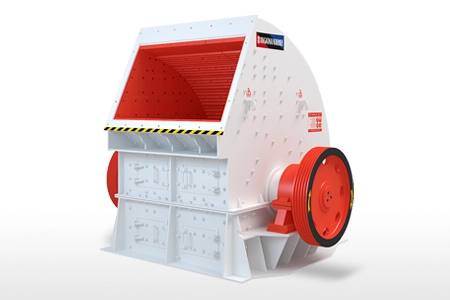
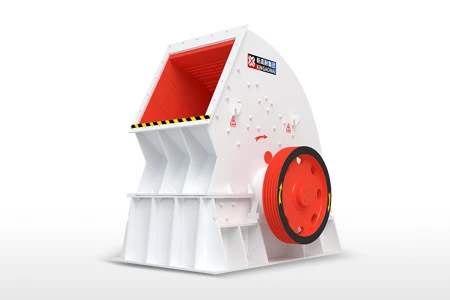
Proper maintenance is essential to keep a heavy duty hammer crusher operating at peak efficiency and to extend its service life. Whether used in mining, quarrying, cement production, or aggregate crushing, regular inspections and correct maintenance procedures can significantly reduce downtime and operational costs. This Maintenance Guide for Heavy Duty Hammer Crusher provides a comprehensive overview of best practices, common issues, and practical solutions to ensure reliable and continuous production.
1. Importance of Regular Maintenance
A heavy duty hammer crusher handles high-impact crushing tasks, which naturally cause wear on key components such as hammers, liners, bearings, and rotors. Implementing a consistent maintenance plan helps you achieve:
Stable crushing performance
Reduced mechanical failures
Longer wear part lifespan
Lower energy consumption
Improved product size control
Regular maintenance not only protects your investment but also enhances the overall efficiency of your crushing line.
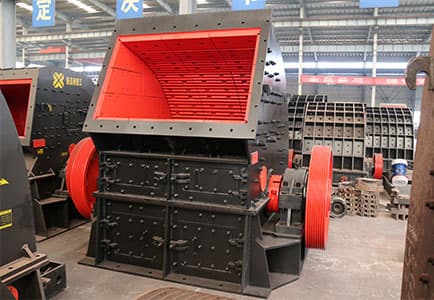
2. Daily Maintenance Checklist
Daily inspections are the foundation of a reliable crusher. Operators should complete the following tasks before each shift:
✔ Check lubrication system
Ensure that bearings and rotating parts are properly lubricated. Low lubrication levels may lead to overheating or bearing failure.
✔ Inspect hammers and liners
Look for signs of wear, cracking, or uneven impact marks. Replace worn parts promptly to maintain optimal crushing efficiency.
✔ Examine rotor balance
A balanced rotor reduces vibration and increases service life. If abnormal shaking occurs, stop the machine immediately.
✔ Remove accumulated material
Material buildup inside the crushing chamber can cause blockages or reduce crushing capacity.
✔ Confirm safety mechanisms
Check emergency stop buttons, safety guards, and sensors to ensure everything is functioning correctly.
3. Weekly and Monthly Maintenance Tasks
Weekly and monthly maintenance ensures long-term durability of your heavy duty hammer crusher.
Weekly Maintenance
Tighten all bolts and connections
Inspect belts for wear and proper tension
Check motor temperature and vibration
Clean dust from the electrical cabinet
Monthly Maintenance
Evaluate the condition of bearings and replace if necessary
Inspect the rotor shaft for alignment issues
Check the hammer fixing points
Measure the gap between hammers and grate plates
Inspect the lubrication pump and pipelines
These tasks help detect early-stage problems before they turn into costly failures.
4. Hammer and Wear Parts Replacement Guide
Wear parts directly influence crushing performance. Follow these guidelines for proper replacement:
When to Replace Hammers
Replace hammers when they become blunt, chipped, or shortened. Using worn hammers reduces productivity and overburdens the rotor.
Grate Plate Replacement
Always replace grate plates when worn or deformed to maintain correct product size and avoid overheating.
Liner Replacement
Side liners should be replaced once thinning is observed. This prevents damage to the crusher housing.
Rotor Maintenance
Keep the rotor clean and ensure all hammer positions are balanced to reduce mechanical stress.
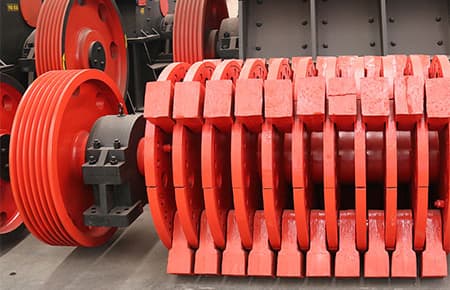
5. Lubrication and Cooling System Maintenance
The lubrication system is crucial for long-lasting crusher performance.
Lubrication Tips
Use manufacturer-recommended grease or oil
Follow the correct lubrication interval
Check for leaks in seals or pipes
Maintain clean oil to prevent contamination
Cooling System Care
Monitor cooling system performance to avoid overheating, especially during heavy loads or continuous operation.
6. Troubleshooting Common Hammer Crusher Problems
Problem 1: Excessive Vibration
Cause: Unbalanced rotor, worn hammers, loose bolts
Solution: Replace hammers, tighten bolts, balance rotor
Problem 2: Low Output
Cause: Worn hammers or grate plates
Solution: Replace wear parts, adjust gap settings
Problem 3: Overheating Bearings
Cause: Poor lubrication or dust contamination
Solution: Refill or change lubricant, clean bearing housings
Problem 4: Blocked Crushing Chamber
Cause: Wet or oversized material
Solution: Reduce feed size, clean the chamber frequently
7. Best Practices to Extend Crusher Service Life
To maximize the performance and durability of your heavy duty hammer crusher, follow these best practices:
Avoid overfeeding
Maintain uniform material size
Conduct regular vibration monitoring
Keep spare parts in stock
Train operators on correct usage
Schedule periodic professional inspections
These practices reduce unexpected downtime and ensure consistent production.
Conclusion
A well-maintained heavy duty hammer crusher delivers reliable, high-efficiency crushing performance for years. By following this Maintenance Guide for Heavy Duty Hammer Crusher, you can prevent breakdowns, optimize output, and significantly reduce operating costs. Regular inspections, proper lubrication, timely replacement of wear parts, and proactive troubleshooting form the backbone of long-term crusher stability.
Implementing these maintenance strategies will help your crushing equipment operate smoothly and support continuous, profitable production.