

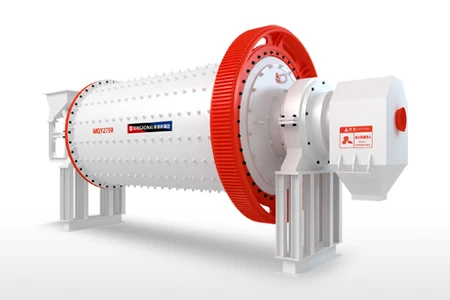
Ball mills are essential grinding equipment in mining, mineral processing, cement production, chemical engineering, and pharmaceutical industries. They operate under high loads, continuous rotation, and harsh working conditions—from high temperatures and dust to heavy vibration. The performance and service life of a ball mill depend heavily on its bearings, which support the mill’s rotating shaft, reduce friction, and absorb dynamic loads. Understanding ball mill bearing types, their characteristics, and suitable applications is critical for selecting the right components, optimizing operation, and minimizing unplanned downtime.
Ball mill bearing types vary based on design, load capacity, and operating conditions. Choosing the correct bearing type ensures smooth, efficient operation, extends equipment lifespan, and reduces maintenance costs. This comprehensive guide explores the main ball mill bearing types, their features, applications, selection criteria, and maintenance practices—helping plant managers, engineers, and maintenance technicians make informed decisions.
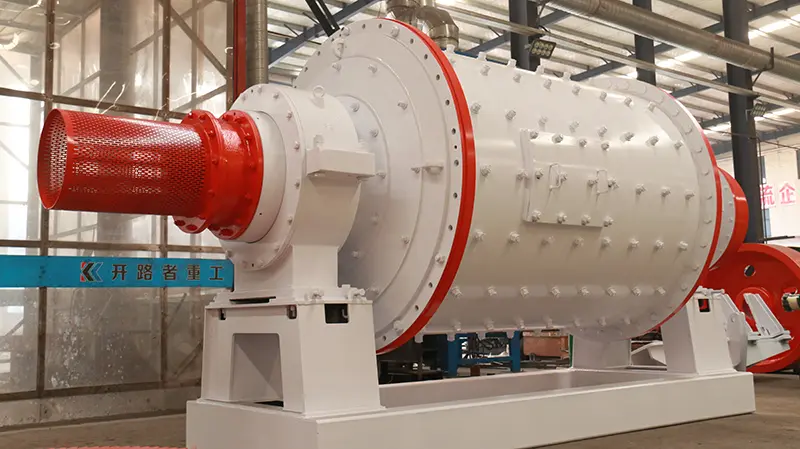
Main Ball Mill Bearing Types
Ball mill bearings are designed to withstand radial and axial loads, high temperatures, and heavy vibrations. The most common ball mill bearing types are categorized based on their structure and load-bearing capacity, each suited for specific operating conditions and mill sizes.
1. Spherical Roller Bearings
Spherical roller bearings are the most widely used ball mill bearing type, especially in large-scale ball mills for mining and cement production. They are designed to accommodate both radial and axial loads, as well as slight misalignment between the shaft and housing—an essential feature given the vibrations and dynamic forces in ball mill operation.
These bearings have a spherical outer ring and barrel-shaped rollers, allowing them to self-align and distribute loads evenly. They offer high load-carrying capacity, excellent wear resistance, and tolerance to high temperatures, making them ideal for heavy-duty, continuous operation. Spherical roller bearings are commonly used in the main shaft of large ball mills, where they support the weight of the mill cylinder and grinding media.
2. Deep Groove Ball Bearings
Deep groove ball bearings are a common ball mill bearing type for small to medium-sized ball mills. They are designed to handle primarily radial loads, but can also withstand small axial loads. Their simple structure, low friction, and high speed capability make them suitable for light to medium-duty applications.
These bearings have a deep, circular raceway that allows the balls to roll smoothly, reducing energy consumption. They are easy to install and maintain, and are often used in the auxiliary components of ball mills, such as the feed and discharge shafts, or in small ball mills for fine grinding of materials like chemicals and pharmaceuticals.
3. Angular Contact Ball Bearings
Angular contact ball bearings are a specialized ball mill bearing type designed to handle combined radial and axial loads. They have a contact angle between the inner and outer rings, which enables them to withstand axial forces more effectively than deep groove ball bearings.
These bearings are commonly used in ball mills where axial loads are significant, such as in high-speed ball mills or mills with inclined shafts. They are available in different contact angles (15°, 30°, 40°) to suit varying load requirements, and are often installed in pairs to balance axial forces. Angular contact ball bearings are ideal for precision grinding applications where stability and accuracy are critical.
4. Cylindrical Roller Bearings
Cylindrical roller bearings are another popular ball mill bearing type, designed to handle high radial loads and high speeds. They have cylindrical rollers that run along straight raceways, providing excellent radial load-carrying capacity and low friction.
These bearings are suitable for ball mills with large radial loads but minimal axial loads. They are often used in the main shaft of medium-sized ball mills, especially in applications where high speed and efficiency are required. Cylindrical roller bearings are available in different designs, including single-row, double-row, and multi-row, to accommodate varying load sizes.
5. Tapered Roller Bearings
Tapered roller bearings are a ball mill bearing type designed to handle combined radial and axial loads, with a tapered raceway that distributes loads evenly across the rollers. They offer high load-carrying capacity and rigidity, making them suitable for heavy-duty ball mills.
These bearings are commonly used in ball mills with high axial loads, such as those used in mining and mineral processing. They are often installed in pairs (face-to-face or back-to-back) to balance axial forces and ensure stable operation. Tapered roller bearings require careful installation and alignment to avoid premature wear.
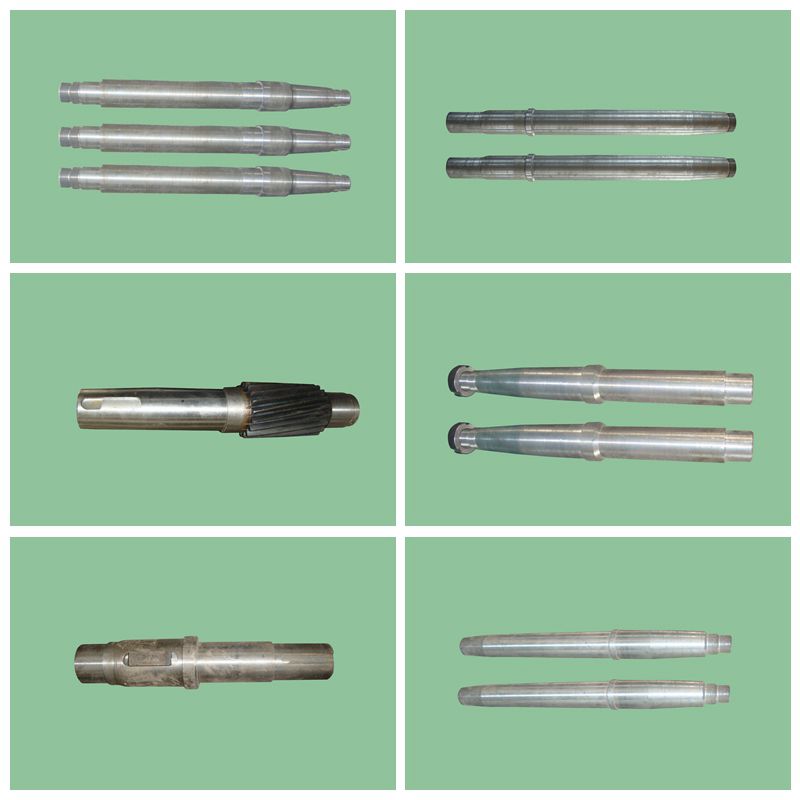
Key Factors for Selecting Ball Mill Bearing Types
Choosing the right ball mill bearing type depends on several critical factors, as each bearing type has unique characteristics that suit specific operating conditions. Below are the key considerations for selection:
1. Load Capacity
The primary factor is the radial and axial loads the bearing will withstand. Large ball mills with heavy grinding media require ball mill bearing types with high load-carrying capacity, such as spherical roller bearings or tapered roller bearings. Smaller mills with lighter loads can use deep groove ball bearings or cylindrical roller bearings.
2. Operating Speed
Ball mills operate at different speeds, and the bearing type must be compatible with the mill’s rotational speed. High-speed ball mills require bearings with low friction and high speed capability, such as deep groove ball bearings or angular contact ball bearings. Low-speed, heavy-duty mills are better suited for spherical roller bearings or tapered roller bearings.
3. Working Environment
The operating environment—including temperature, dust, moisture, and corrosion—affects the choice of ball mill bearing types. Mills operating in high-temperature environments (e.g., cement production) require bearings with high-temperature resistance. Mills in dusty or wet environments need bearings with effective sealing to prevent contamination.
4. Misalignment Tolerance
Ball mills often experience slight shaft misalignment due to vibration or thermal expansion. Ball mill bearing types with high misalignment tolerance, such as spherical roller bearings, are ideal for these applications. Bearings with low misalignment tolerance, such as cylindrical roller bearings, require precise alignment.
5. Maintenance Requirements
Consider the maintenance needs of each ball mill bearing type. Deep groove ball bearings and cylindrical roller bearings are easy to maintain and replace, making them suitable for applications where maintenance access is limited. Spherical roller bearings and tapered roller bearings require more frequent inspection and lubrication but offer longer service life in heavy-duty conditions.
Maintenance Tips for Ball Mill Bearing Types
Proper maintenance is essential to extend the service life of all ball mill bearing types, reduce downtime, and ensure stable operation. Below are key maintenance practices:
1. Regular Lubrication
Lubrication reduces friction and heat, preventing premature wear of ball mill bearing types. Use the lubricant recommended by the manufacturer (typically high-temperature grease or oil) and follow the recommended lubrication schedule. Ensure the lubricant is clean and free of contaminants, as dirty lubricant can cause bearing damage.
2. Routine Inspection
Inspect ball mill bearings regularly for signs of wear, overheating, noise, or vibration. Use tools such as thermometers and vibration analyzers to monitor bearing temperature and vibration levels—abnormal readings indicate potential issues. Check for loose fasteners, leaks, and contamination, and address problems promptly.
3. Contamination Control
Prevent dust, dirt, water, and other contaminants from entering the bearing system. Ensure the ball mill’s seals are in good condition, and clean the bearing housing regularly to remove accumulated debris. Contamination is a leading cause of premature wear in all ball mill bearing types.
4. Proper Alignment
Misalignment causes uneven load distribution and premature wear of ball mill bearings. Regularly check and adjust the alignment of the mill’s shaft and bearings to ensure they are properly positioned. Use alignment tools to achieve precise alignment, especially for bearings with low misalignment tolerance.
5. Timely Replacement
Replace worn or damaged ball mill bearings promptly to avoid further damage to the mill’s shaft and other components. Follow the manufacturer’s guidelines for replacement intervals, and use high-quality, manufacturer-approved bearings that match the ball mill’s model and operating conditions.
Conclusion
Ball mill bearing types play a critical role in the stable and efficient operation of ball mills. From spherical roller bearings (ideal for heavy-duty applications) to deep groove ball bearings (suited for light to medium loads), each type has unique characteristics that make it suitable for specific operating conditions.
By understanding the main ball mill bearing types, their features, and selection criteria, you can choose the right bearing for your application, optimize operation, and reduce maintenance costs. Proper maintenance—including regular lubrication, inspection, and contamination control—ensures that ball mill bearings operate at peak performance, extending their service life and minimizing downtime.
For mining, mineral processing, and other industrial operations, selecting the correct ball mill bearing type and following best maintenance practices is a cost-effective way to maximize productivity and ensure the long-term reliability of your ball mill.