A jaw crusher toggle plate forms part of the linkage that supports and transmits force through the movable jaw mechanism. Its construction, material and role in overload protection depend on the crusher design.
When ordering a replacement, matching the approximate size or appearance is not enough. The plate must suit the crusher model, mating toggle seats, specified geometry and material requirements.
XINGAONAI’s spare-parts lists illustrate this distinction: the PE600×900 toggle plate is listed as HT150, while the PEV600×900 toggle plate is listed as HT200. Similar model numbers do not establish that the parts are interchangeable.
This guide explains what a toggle plate does, how it differs from a toggle seat, which damage signs deserve attention and what to confirm before ordering a replacement.
What Does a Jaw Crusher Toggle Plate Do?
The toggle plate transmits load through the jaw crusher’s mechanical linkage and helps maintain the relationship between the movable jaw and its support or adjustment mechanism.
It is different from a jaw plate. Fixed and movable jaw plates contact the feed material and form the crushing surfaces. The toggle plate operates within the supporting mechanism rather than serving as the main crushing liner.
In some designs, the toggle plate also provides mechanical overload protection. However, its exact protective behaviour must be understood from the documentation for that machine.
Manufacturer descriptions show that protection arrangements can include both a mechanically protective toggle and hydraulic relief features. These arrangements should not be treated as identical across all jaw crushers. McLanahan jaw crusher technical information
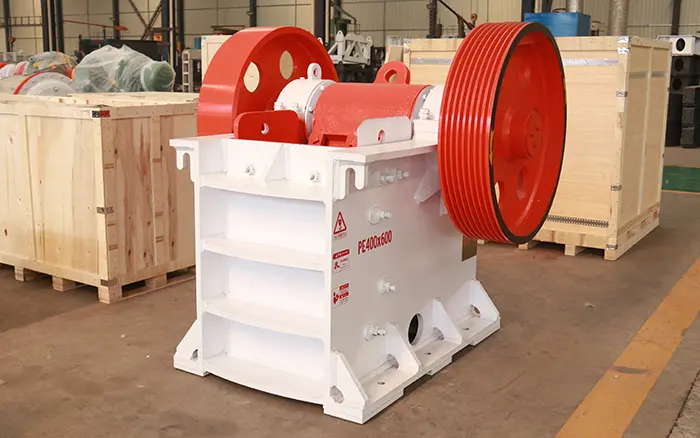
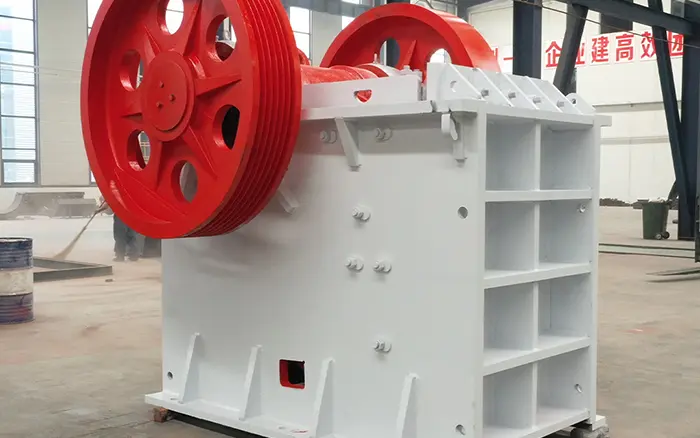
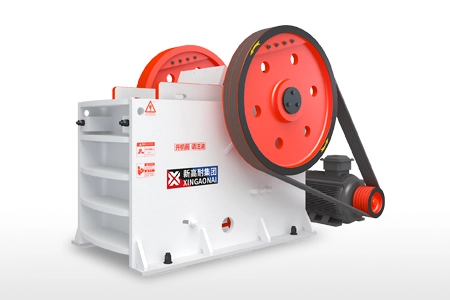
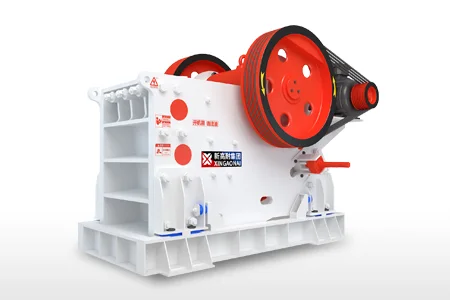
For an overview of the surrounding components, see our jaw crusher parts guide.
Toggle Plate vs Toggle Seat: What Is the Difference?
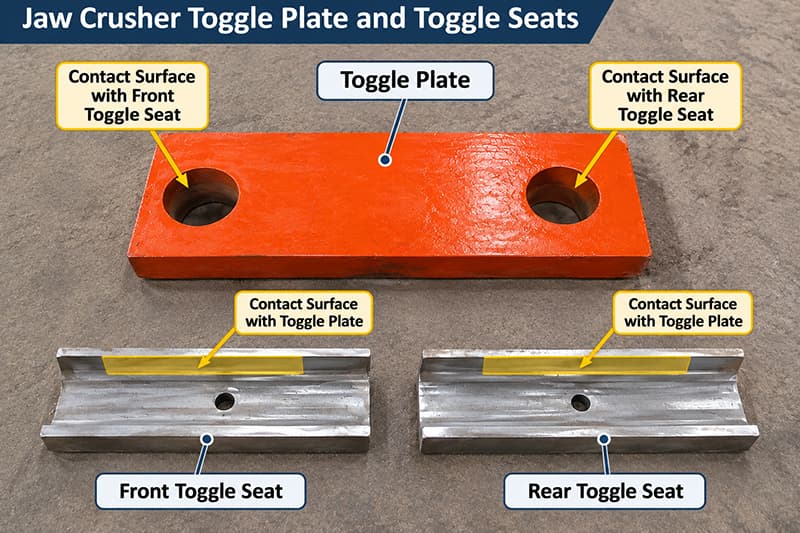
The toggle plate and toggle seats are separate components that work together.
The plate transfers load through the mechanism. The seats support its contact ends and provide the matching surfaces required by the design.
| Component | Main role | Details to check |
|---|---|---|
| Toggle plate | Transmits load through the linkage | Material specification, geometry, cracks, deformation and contact-end condition |
| Toggle seats | Support the plate’s contact ends | Matching profile, wear, damage and seating condition |
| Related retention or tension components | Maintain the intended arrangement where fitted | Condition and adjustment requirements specified for the machine |
A replacement plate should be assessed together with the existing seats. Installing a new plate against damaged or incorrectly matched contact surfaces may leave the original problem unresolved.
This does not mean that both seats must automatically be replaced whenever the plate is changed. Their condition and suitability should be assessed against the manufacturer’s requirements.
What Material Is a Jaw Crusher Toggle Plate Made From?
There is no single material specification for every jaw crusher toggle plate.
The required material must suit the component’s mechanical function, geometry and intended protection arrangement. It should be confirmed from the model-specific parts documentation and approved drawing.
Examples from XINGAONAI Spare-Parts Lists
Our PE and PEV spare-parts lists identify the following toggle plate material designations:
| Crusher model | Listed toggle plate material |
|---|---|
| PE600×900 | HT150 |
| PE750×1060 | HT200 |
| PE900×1200 | HT200 |
| PEV600×900 | HT200 |
| PEV750×1060 | HT200 |
| PEV950×1250 | HT200 |
| PEV1200×1600 | HT200 |
These entries are model-specific examples, not a universal material recommendation. Confirm the final replacement specification against the machine identification and applicable drawing.
Why “Stronger” Does Not Automatically Mean “Suitable”
Do not assume that the material used for a jaw liner is automatically suitable for a toggle plate. The two components perform different mechanical roles.
Similarly, a thicker plate, harder material or different heat treatment should not be selected simply to prevent another failure. Such changes may alter how the mechanism responds to load.
If a plate repeatedly fails, investigate the cause and confirm the approved specification before changing the material or section geometry.
Wear and Damage: What Should You Check?
Visible damage deserves attention, but operating symptoms alone do not identify which component has failed.
Knocking, unstable movement or changes in performance can involve the plate, seats, retention components or other parts of the crusher.
| Observation | Items to investigate |
|---|---|
| Cracks, fracture or permanent deformation | Plate condition, part specification, loading history and surrounding components |
| Uneven wear at the contact ends | Seat condition, matching profiles, alignment and seating |
| Localised contact marks | Whether the plate and seats are contacting as intended |
| Repeated movement or knocking near the mechanism | Plate seating, seats, retention or tension components and relevant adjustments |
| Repeated replacement of the same component | Previous failure history, part compatibility and unresolved operating or assembly issues |
These are inspection directions rather than definitive diagnoses.
A damaged component should be assessed under the equipment’s maintenance procedure. Do not continue operating solely because the crusher can still move or produce material.
For broader routine checks, refer to our PE jaw crusher maintenance guide.
Do All Toggle Seats Require Lubrication?
No universal lubrication rule applies to every toggle mechanism.
For example, Terex Jaques describes a rocking-end toggle arrangement that does not require lubrication at the toggle contact. That is a design-specific example, not an instruction for other machines. Terex Jaques technical brochure
Follow the lubrication requirements for the actual mechanism. Do not add grease merely because another crusher uses it, or omit lubrication where the machine documentation requires it.
How to Match a Replacement Toggle Plate
The most useful starting points are the crusher identification, existing part number and original drawing.
An order described only as “a toggle plate for a 600×900 jaw crusher” may leave the series, design version and matching details undefined.
Confirm the Machine and Part Identification
Provide:
Equipment manufacturer.
Complete crusher series and model.
Machine serial number, where available.
Existing toggle plate part number.
Drawing number and revision, if available.
Details of any previous modifications.
The full series matters. A PE600×900 and a PEV600×900 should not be assumed to use the same plate because their model numbers share the same nominal opening dimensions.
Check Geometry and Mating Details
Confirm the dimensions required by the drawing, including the overall geometry and contact-end profiles.
Relevant details may include:
Overall length and width.
Section thickness and shaped features.
Contact-end shape and dimensions.
Matching toggle-seat configuration.
Orientation or identification marks.
Specified tolerances and assembly requirements.
Not every design uses the same set of features. The approved drawing should determine which dimensions require verification.
Use an Old Plate as Supporting Evidence
An old plate can help identify the part, but wear, deformation or fracture may make it unsuitable as the only dimensional reference.
Photograph the complete component and both contact ends. Include the mating seats and any readable identification marks.
Where possible, compare the old part with the original drawing and machine records rather than reproducing worn dimensions.
Why Do Toggle Plates Fail Repeatedly?
Repeated failures should trigger a review of the complete problem, not an automatic move to a thicker replacement.
Questions worth investigating include:
Was the correct part supplied for the machine and design version?
Did the material and geometry match the approved specification?
Were the mating seats inspected?
Was the component installed and retained correctly?
Were there overload events or uncrushable objects?
Had operating conditions or relevant settings changed?
Were the reasons for the previous failure established?
Failure photographs are particularly useful when they show the complete plate, both ends and the surrounding contact components.
A broken plate does not, by itself, establish whether it failed as intended during an overload or because of another problem. That distinction requires a review of the machine design and available evidence.
Before internal inspection or replacement, follow the model-specific procedure for isolation, stored energy, support of movable components and lifting. The dismantling sequence should come from the equipment manual and qualified maintenance personnel.
What to Send for a Toggle Plate Quotation
A clear enquiry helps establish both the required component and the scope of supply.
| Information | What to provide |
|---|---|
| Machine identification | Manufacturer, full model, serial number and nameplate photograph |
| Part identification | Existing part number, markings or previous supply reference |
| Technical drawing | Drawing number, revision, dimensions and applicable tolerances |
| Photographs | Complete plate, both contact ends and mating seats |
| Material requirements | Listed grade and any approved material or heat-treatment requirements |
| Existing problem | Damage photographs, replacement history and relevant operating changes |
| Supply scope | Plate only, or additional components to be assessed |
| Order details | Required quantity and delivery destination |
If a drawing or part number is unavailable, state this clearly. Photographs and measurements can support identification, but compatibility still needs confirmation.
Price depends on the required specification, component size, manufacturing requirements, quantity and delivery scope. A price for a different model is not a reliable quotation for your machine.
Order Jaw Crusher Toggle Plates from XINGAONAI
XINGAONAI supplies jaw crusher toggle plates separately. Send us the equipment identification, existing part reference, available drawing, clear photographs and required quantity so that the applicable specification and compatibility can be checked before quotation.
For equipment context, see our PE Series jaw crusher and PEV Series jaw crusher.
When enquiring about a replacement, identify the complete machine model and the required part. Material designation or approximate dimensions alone are not enough to confirm a suitable replacement.