

For small-scale mine operators and entrepreneurs entering the mining industry, one of the most critical decisions is selecting the right crushing equipment. The question of which crushing equipment is suitable for small-scale mines involves balancing multiple factors: upfront investment costs, production capacity requirements, material characteristics, and long-term operational expenses. This comprehensive guide will help you navigate these decisions and match your budget with the appropriate crushing solution.
Understanding Small-Scale Mine Requirements
Before diving into equipment options, it's essential to define what constitutes a small-scale mining operation. Typically, small-scale mines process between 10 to 100 tons per hour (TPH), though some very small operations may handle as little as 1-10 TPH. These operations often face unique challenges:
Limited capital for equipment acquisition
Constrained site space that cannot accommodate large fixed plants
Variable feed materials ranging from soft limestone to hard granite
Need for flexibility to relocate equipment as mining advances
Simpler maintenance requirements due to limited technical staff
Understanding these constraints is the first step in determining which crushing equipment is suitable for small-scale mines in your specific situation.
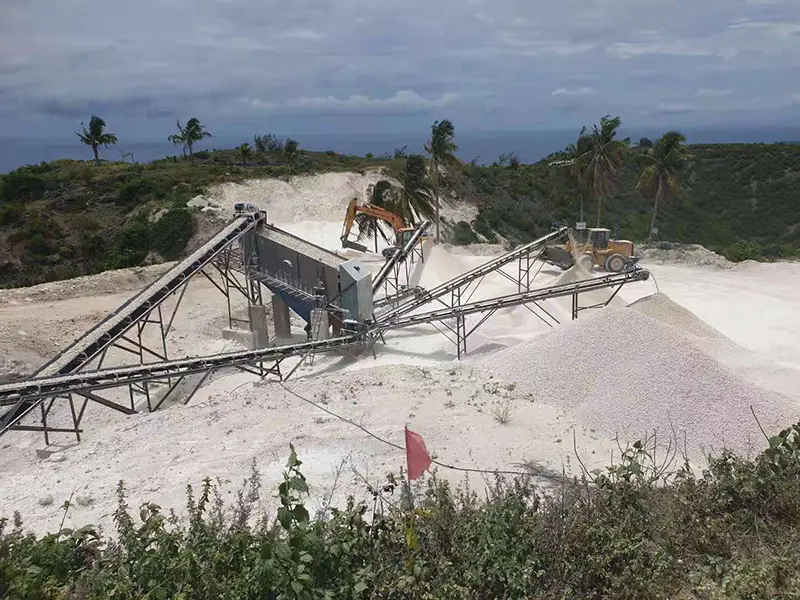
Types of Crushing Equipment for Small-Scale Operations
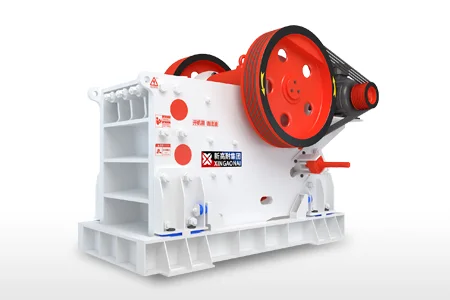
Jaw Crushers: The Primary Workhorse
Jaw crushers are often the first answer to which crushing equipment is suitable for small-scale mines due to their simplicity and reliability. They operate by compression, with a moving jaw crushing material against a fixed jaw.
Advantages for Small Mines:
Handles large feed sizes (up to 650-1500 mm in some models)
Suitable for all material types, including very hard or abrasive rocks
Simple, robust design with low maintenance requirements
Portable models available for field use
Excellent for primary crushing applications
Limitations:
Produces irregularly shaped particles
Limited fine crushing capability
Bulkier than some compact alternatives
Capacity Range: Small jaw crushers typically process 1-50 TPH, with entry-level models starting around 1 TPH.
Investment Level: $15,000 - $50,000 for new equipment.
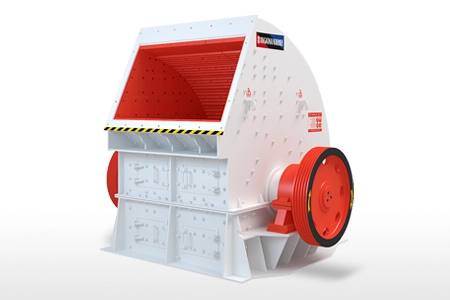
Impact Crushers: For Shaped Aggregates
When considering which crushing equipment is suitable for small-scale mines focused on producing well-shaped aggregates, impact crushers deserve attention. They use high-speed rotors with hammers or blow bars to shatter material through impact.
Advantages:
Produces cubical, well-shaped particles ideal for concrete and road base
High reduction ratio in a single pass
Compact and energy-efficient design
Can serve as primary, secondary, or tertiary crushers depending on configuration
Limitations:
Wear parts require frequent replacement, especially with abrasive materials
Higher operating costs for hard rock applications
Not ideal for highly abrasive materials
Capacity Range: Small impact crushers typically process 10-100 TPH.
Investment Level: $20,000 - $60,000 depending on configuration.
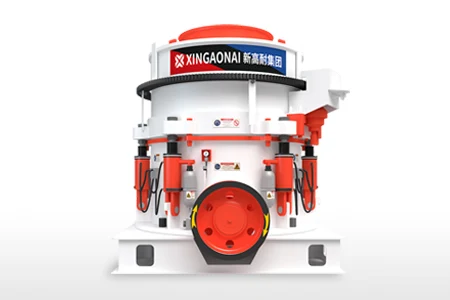
Cone Crushers: For Consistent Fine Output
For operations requiring consistent, fine material from medium to hard rocks, cone crushers represent another answer to which crushing equipment is suitable for small-scale mines.
Advantages:
Produces uniform, fine particles with excellent shape
High throughput with relatively low operating costs
Suitable for secondary and tertiary crushing stages
Hydraulic systems provide overload protection
Limitations:
Higher initial investment than jaw crushers
More complex maintenance procedures
Requires pre-crushed feed (typically 100-200 mm)
Not suitable as a primary crusher for large rocks
Capacity Range: Small cone crushers typically process 20-100 TPH.
Investment Level: $20,000 - $60,000 for smaller models.
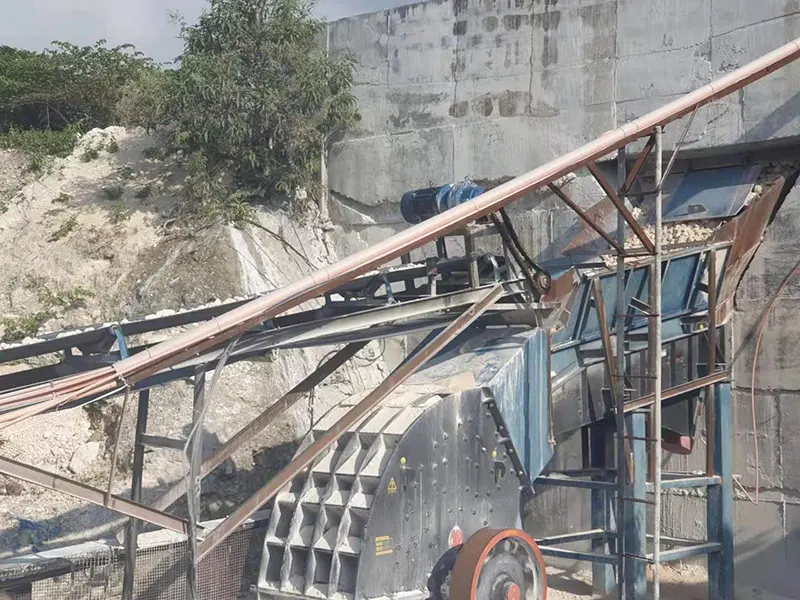
Hammer Crushers: For Brittle Materials
When evaluating which crushing equipment is suitable for small-scale mines processing dry, brittle materials like limestone or quartz, hammer crushers offer an efficient solution.
Advantages:
High reduction ratio in a single pass
Produces uniformly sized particles
Compact and easy to operate
Excellent for dry, non-abrasive ores
Limitations:
Poor performance with wet or sticky materials
Hammers wear quickly with abrasive ores
Higher noise and dust levels
Best For: Small-scale gold operations processing dry quartz, coal crushing, and soft limestone.
Roll Crushers: For Controlled Output
For operations needing precise size control with minimal fines, roll crushers provide a specialized answer to which crushing equipment is suitable for small-scale mines.
Advantages:
Adjustable output size for consistent results
Low dust generation
Effective for medium-hardness ores
Durable design with minimal wear parts
Limitations:
Lower throughput than other types
Not ideal for very hard or abrasive materials
Limited reduction ratio per pass
Best For: Small processing plants, fine crushing stages, coal, and soft materials.
Investment Budget Planning for Small-Scale Mines
Understanding which crushing equipment is suitable for small-scale mines requires realistic budget assessment. The total setup cost for a small stone crushing plant typically falls between $230,000 and $700,000 for the first year of operation, including initial equipment and operating expenses.
Equipment Cost Breakdown
For a basic small-scale operation, here are typical equipment costs:
Jaw Crusher (Primary): $15,000 - $50,000
Cone/Impact Crusher (Secondary): $20,000 - $60,000
Vibrating Screen: $5,000 - $20,000
Conveyor Belts: $5,000 - $15,000
Feeder: $3,000 - $10,000
Total estimated equipment costs: $50,000 - $150,000
Additional Setup Costs
Beyond equipment, budget for:
Site Preparation: $5,000 - $15,000
Access Roads: $2,000 - $10,000
Utilities: $3,000 - $8,000
Permits and Licenses: $1,700 - $8,500
Operational Cost Considerations
When determining which crushing equipment is suitable for small-scale mines, factor in ongoing costs:
Labor: $10,000 - $30,000 monthly
Maintenance: $1,000 - $3,000 monthly
Fuel and Utilities: $2,000 - $4,500 monthly
Matching Equipment to Production Capacity
The answer to which crushing equipment is suitable for small-scale mines depends heavily on your target production capacity.
Very Small Operations (1-10 TPH)
For the smallest mines, artisanal operations, or pilot plants:
Recommended Equipment: Mini jaw crushers, small hammer mills, or portable impactors
Investment Strategy: Consider refurbished equipment or basic models starting from a few thousand dollars
Key Consideration: Portability and simplicity outweigh capacity
Small Operations (10-50 TPH)
This range represents typical small-scale mines:
Primary Crusher: Small jaw crusher (15-30 TPH capacity)
Secondary Crusher (optional): Impact crusher or cone crusher for finer products
Support Equipment: Vibrating screen, conveyors, feeder
Investment Level: $50,000 - $150,000 for equipment package
Medium-Small Operations (50-100 TPH)
For more established small mines planning growth:
Primary Crusher: Medium jaw crusher (40-60 TPH)
Secondary Crusher: Cone crusher or impact crusher
Screening: Multiple vibrating screens for better grading
Investment Level: $100,000 - $200,000+ for complete plant
Cost-Saving Strategies for Small Mines
When researching which crushing equipment is suitable for small-scale mines on a limited budget, consider these strategies:
1. Modular and Skid-Mounted Solutions
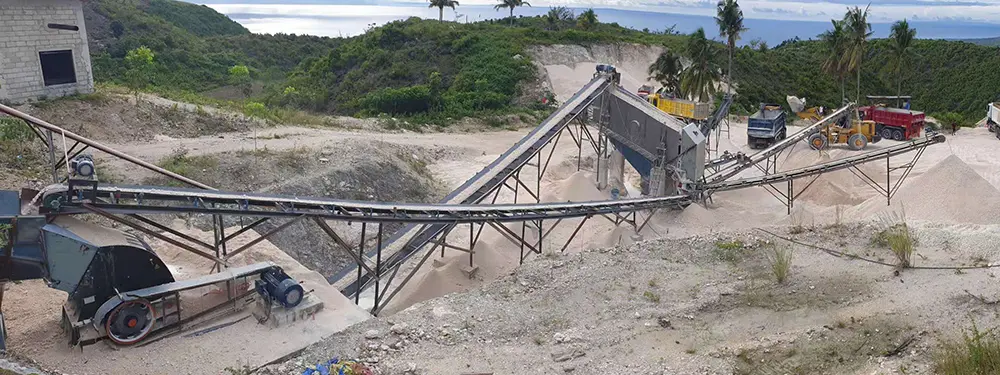
Modular crushing plants offer significant advantages for small operators. These pre-engineered systems reduce site preparation costs and setup time. For example, Pilot Crushtec's modular sand-making plants are designed to work on flat, compacted surfaces without requiring concrete foundations or on-site welding. These systems also offer scalability, allowing you to add capacity as your operation grows.
2. Consider Quality Used Equipment
Purchasing well-maintained used equipment can reduce initial investment by 30-50%. However, ensure you verify:
Maintenance history
Wear part condition
Availability of replacement parts
3. Match Equipment Exactly to Requirements
Avoid over-specifying—buying equipment with more capacity than needed inflates both purchase price and operating costs. Carefully assess your actual production targets before deciding which crushing equipment is suitable for small-scale mines in your case.
4. Energy Efficiency Considerations
Energy-efficient models may have higher initial costs but offer long-term savings. Look for features like optimized motor sizing and automated controls that reduce power consumption.
Application-Specific Recommendations
The question of which crushing equipment is suitable for small-scale mines varies by application:
For Gold Mines
Hard Rock (Quartz): Jaw crusher for primary, then impactor or hammer mill for fine crushing
Placer/Alluvial: Roll crusher or impactor for breaking cemented materials
For Limestone/Soft Rock
Primary: Impact crusher or hammer crusher
Secondary: Impact crusher for cubical product
For Granite/Hard Rock
Primary: Jaw crusher (essential for durability)
Secondary: Cone crusher for consistent fines
For Construction Debris Recycling
Primary/Secondary: Impact crusher (handles mixed materials well)
Making the Final Decision
To determine which crushing equipment is suitable for small-scale mines for your specific operation, follow this decision framework:
Define your material: Hardness, abrasiveness, moisture content, feed size
Set capacity targets: Realistic TPH requirements based on market demand
Establish budget: Include equipment, installation, and first-year operating costs
Consider site constraints: Space, power availability, mobility needs
Evaluate scalability: Will you need to expand in 2-3 years?
Research suppliers: Compare new, used, and modular options
Conclusion
The question of which crushing equipment is suitable for small-scale mines has no single answer—it depends on your material, capacity goals, budget, and growth plans. Jaw crushers remain the most versatile choice for primary crushing, handling everything from soft limestone to hard granite. For shaped aggregates, impact crushers excel, while cone crushers deliver consistent fine products from medium-hard rocks.
With initial equipment investments ranging from $50,000 to $150,000 and total first-year costs between $230,000 and $700,000, small-scale mining operations require careful planning. By matching equipment capacity to realistic production targets, considering modular or used equipment options, and prioritizing energy efficiency, you can maximize return on investment while building a sustainable operation.
Remember that proper maintenance, operator training, and compliance with local regulations are equally important as equipment selection in determining long-term success. Whether you're processing gold ore, limestone, or construction aggregates, taking time to research and select the right equipment will pay dividends throughout your operation's life.