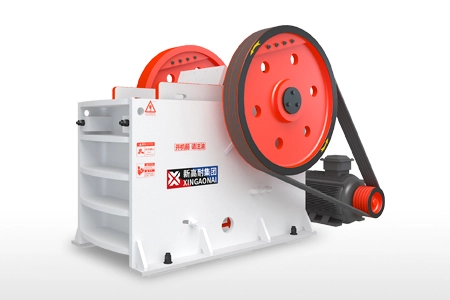
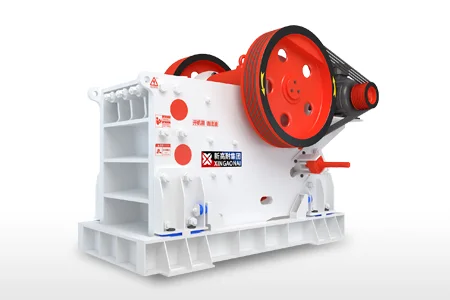
A jaw crusher bearing is a critical component that supports the crusher’s moving parts, enabling smooth rotation of the eccentric shaft and jaw plate. Without a high-quality jaw crusher bearing, the equipment would fail to operate efficiently, leading to costly downtime and reduced productivity.
Jaw crushers are widely used in mining, aggregate, and construction industries to crush hard materials like granite, limestone, and ore. The type of
jaw crusher bearing selected directly impacts the crusher’s performance, lifespan, and maintenance requirements. This article answers the question “What type of bearing is a jaw crusher?” details the most common jaw crusher bearing types, their functions, key specifications, and maintenance tips to ensure optimal performance.
What Type of Bearing is a Jaw Crusher? Common Types
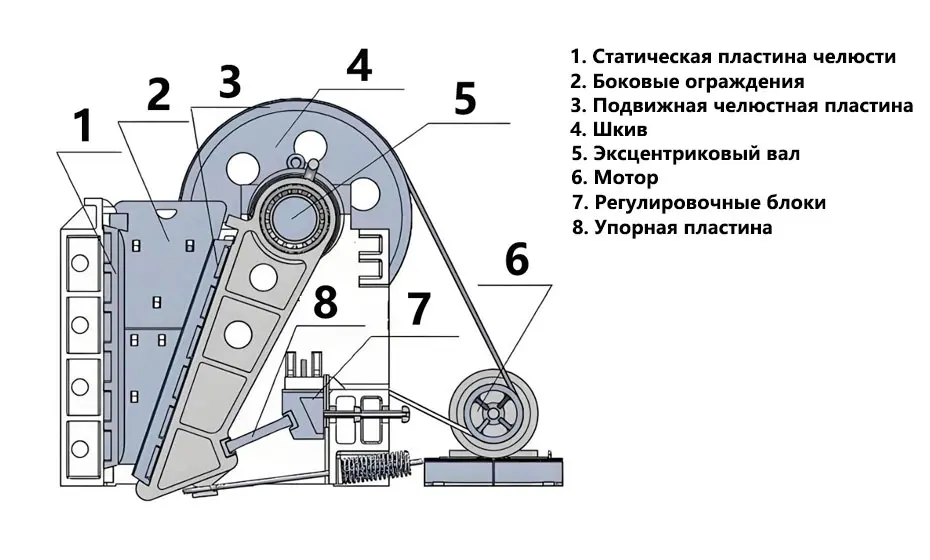
A jaw crusher relies on specialized bearings to withstand the extreme forces generated during crushing. The most common jaw crusher bearing types are engineered to handle radial and axial loads, resist wear, and operate in dusty, high-vibration environments. Below are the primary types of jaw crusher bearing used in industrial applications:
1. Spherical Roller Bearings (Most Common Jaw Crusher Bearing Type)
The spherical roller bearing is the most widely used jaw crusher bearing, favored for its ability to handle heavy radial loads and moderate axial loads. Its design features two rows of rollers and a spherical outer ring raceway, allowing for slight misalignment (up to 2-3 degrees) caused by shaft deflection or installation errors—common issues in jaw crusher operations.
This jaw crusher bearing type is ideal for jaw crushers because it absorbs the high impact forces generated when crushing hard materials. It is made from high-strength steel with heat-treated components, ensuring resistance to wear, corrosion, and fatigue. Most large-scale jaw crushers use spherical roller bearings for their main eccentric shaft, as they provide reliable performance in harsh conditions.
2. Tapered Roller Bearings
Tapered roller bearings are another common jaw crusher bearing type, designed to handle both radial and axial loads simultaneously. Their tapered rollers and raceways distribute loads evenly, making them suitable for jaw crushers with high axial forces—such as small to medium-sized jaw crushers used in aggregate processing.
Unlike spherical roller bearings, tapered roller bearings require precise alignment to function properly. They are often used in the toggle plate or connecting rod of jaw crushers, where axial loads are more prominent. This jaw crusher bearing type offers excellent rigidity and load-carrying capacity, though it is less tolerant of misalignment than spherical roller bearings.
3. Cylindrical Roller Bearings
Cylindrical roller bearings are occasionally used as a jaw crusher bearing, primarily in small jaw crushers or auxiliary components. They excel at handling high radial loads but have limited axial load capacity, making them unsuitable for the main eccentric shaft of large jaw crushers. This jaw crusher bearing type features cylindrical rollers arranged parallel to the shaft, providing smooth rotation and high efficiency for light to moderate load applications.
Key Functions of a Jaw Crusher Bearing
Regardless of the type, a
jaw crusher bearing plays three critical roles in ensuring the crusher’s operation:
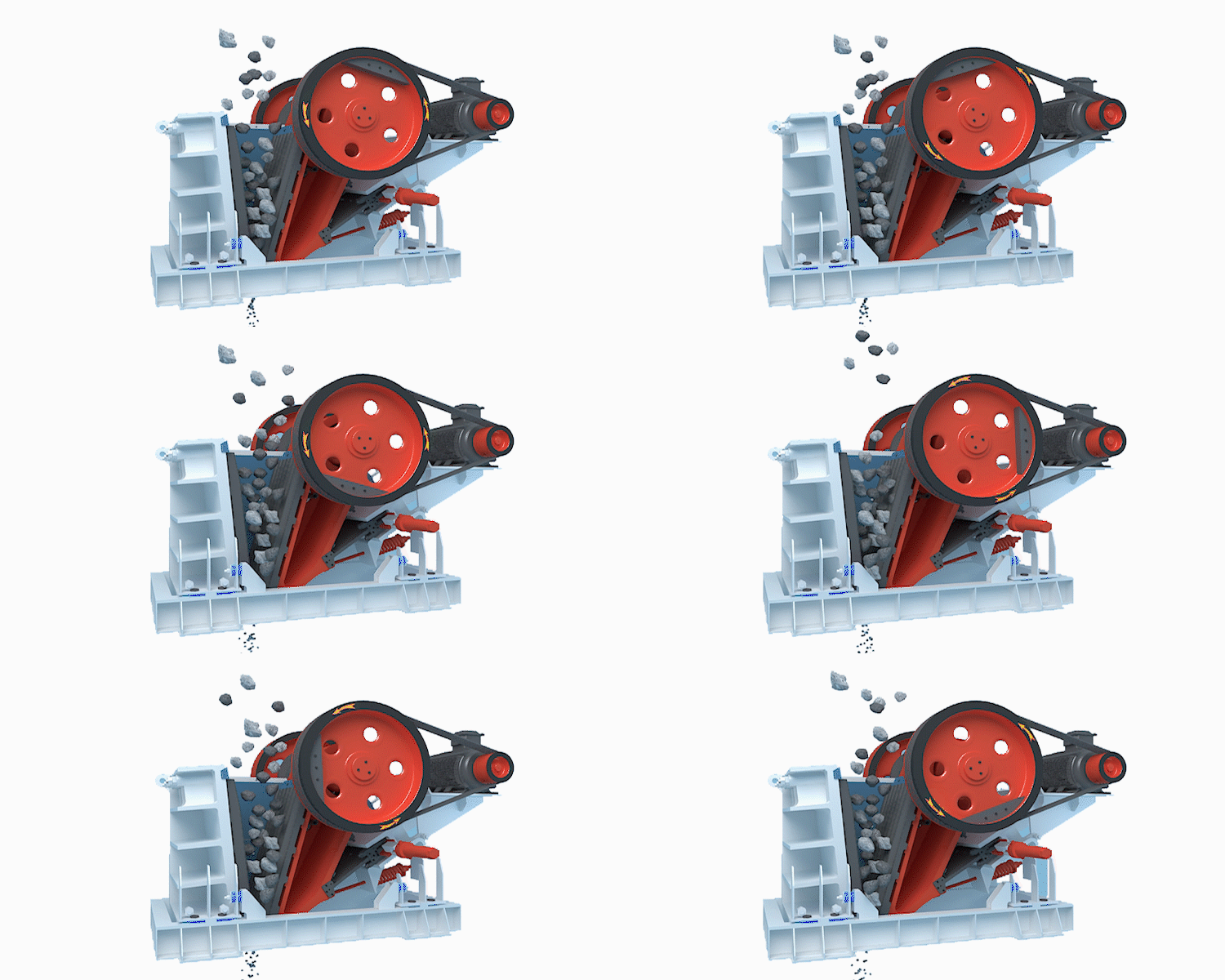
Supports the eccentric shaft: The jaw crusher bearing bears the weight of the eccentric shaft and the forces generated by the rotating jaw plate, enabling smooth, consistent rotation.
Reduces friction: By minimizing friction between moving parts, the jaw crusher bearing reduces energy consumption and wear, extending the crusher’s lifespan.
Absorbs impact: Jaw crushers generate high impact forces during crushing, and the jaw crusher bearing absorbs these forces to prevent damage to the shaft and other components.
Key Specifications of a Jaw Crusher Bearing
When selecting a jaw crusher bearing, it is essential to consider key specifications that match the crusher’s size, capacity, and operating conditions. These specifications include:
1. Load Capacity
The jaw crusher bearing must handle the radial and axial loads generated by the crusher. Spherical roller bearings have the highest radial load capacity, making them ideal for large jaw crushers, while tapered roller bearings are better for applications with significant axial loads.
2. Size and Fit
The jaw crusher bearing must fit precisely with the eccentric shaft and housing to ensure proper alignment and performance. Incorrect fit can lead to premature wear, vibration, and bearing failure.
3. Material and Heat Treatment
A high-quality jaw crusher bearing is made from high-carbon chromium steel or alloy steel, with heat treatment to enhance hardness, wear resistance, and fatigue strength. This ensures the bearing can withstand the harsh conditions of jaw crusher operations.
4. Sealing and Lubrication
Jaw crusher bearings operate in dusty, dirty environments, so effective sealing is critical to prevent contamination. Proper lubrication (using high-temperature grease or oil) reduces friction and extends the jaw crusher bearing’s service life.
Maintenance Tips for Jaw Crusher Bearing
To maximize the lifespan of a jaw crusher bearing and ensure optimal performance, follow these maintenance tips:
Regular lubrication: Follow the manufacturer’s guidelines to lubricate the jaw crusher bearing with the recommended grease or oil, ensuring consistent coverage and preventing dry friction.
Inspect for wear and damage: Regularly check the jaw crusher bearing for signs of wear, corrosion, or damage (e.g., excessive vibration, overheating, or unusual noise).
Keep it clean: Ensure the bearing and surrounding area are free from dust, dirt, and debris, as contamination is a leading cause of jaw crusher bearing failure.
Check alignment: Ensure the jaw crusher bearing and eccentric shaft are properly aligned to prevent uneven wear and premature failure.
Conclusion
The most common
jaw crusher bearing types are spherical roller bearings (for heavy radial loads and misalignment tolerance), tapered roller bearings (for combined radial and axial loads), and cylindrical roller bearings (for light to moderate loads).
A high-quality jaw crusher bearing is essential for the reliable, efficient operation of jaw crushers in mining and aggregate industries. By selecting the right jaw crusher bearing type, adhering to key specifications, and following proper maintenance practices, you can extend the crusher’s lifespan, reduce downtime, and maximize productivity.