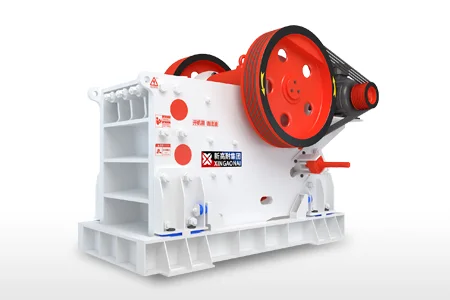
1. Daily Jaw Crusher Maintenance Checklist
Lubrication Check: Inspect the lubrication system (oil level, pressure, and quality) to ensure bearings, eccentric shafts, and other moving parts are properly lubricated. PE Series jaw crushers typically require clean, high-grade lubricating oil—replace or top up oil if it’s contaminated or below the recommended level.
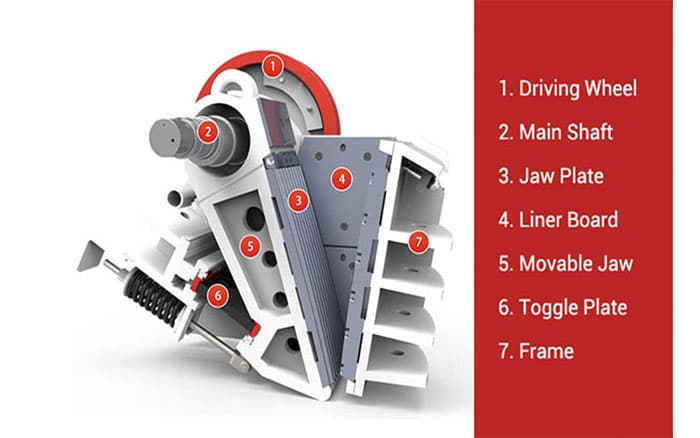
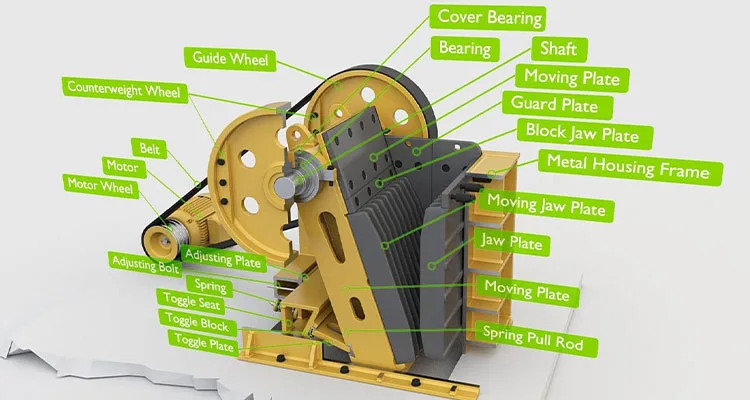
Bolt & Fastener Inspection: Tighten loose bolts, nuts, and screws on the frame, jaw plate, toggle plate, and feed hopper. Vibrations during operation often loosen fasteners, which can cause misalignment and excessive wear.
Debris & Material Cleanup: Clear accumulated materials, dust, and debris from the crusher cavity, discharge port, and surrounding area. Blockages can reduce crushing efficiency and strain the motor.
Temperature & Vibration Monitoring: Check the temperature of bearings and the motor (normal operating temperature should not exceed 75°C) and listen for unusual noises or excessive vibration—signs of potential issues like misalignment or worn parts.
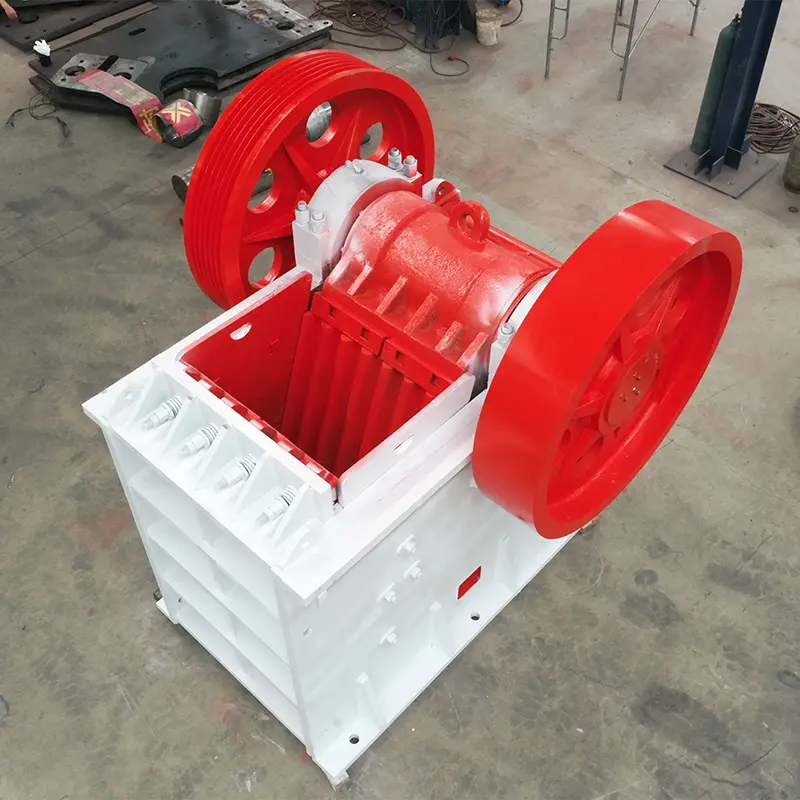
2. Regular Jaw Crusher Maintenance Schedule (Weekly/Monthly/Quarterly)
Weekly Maintenance
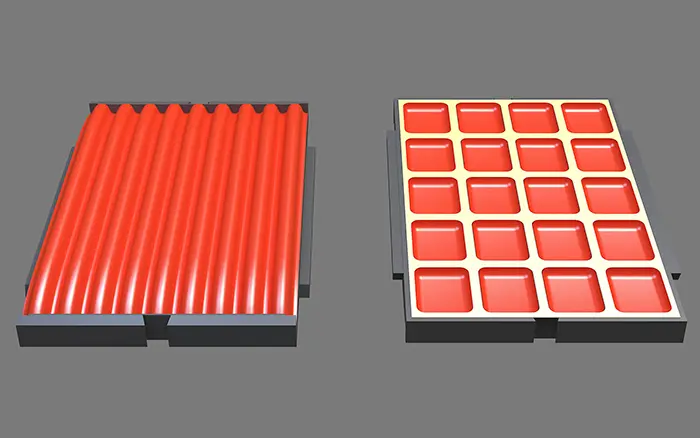
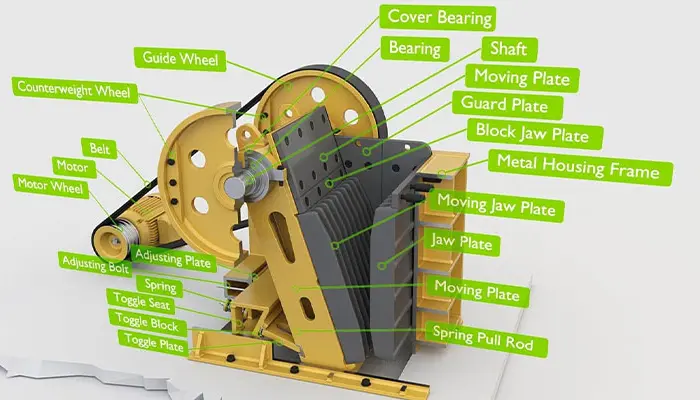
Inspect the jaw plates for wear: Measure the thickness of fixed and movable jaw plates. If wear exceeds 50% of the original thickness, replace them to ensure uniform crushing and prevent damage to the crusher body.
Check the toggle plate and toggle seat: Look for cracks, deformation, or excessive wear. The toggle plate is a critical stress-bearing component—replace it immediately if defects are found.
Clean the lubrication filter and oil cooler to maintain smooth oil circulation.
Monthly Maintenance
Calibrate the discharge gap: Adjust the gap between the fixed and movable jaw plates according to production requirements (PE Series models often feature a wedge or shim adjustment system). An incorrect gap leads to uneven discharge particle size and reduced efficiency.
Inspect the motor and electrical system: Check wiring connections, insulation, and motor performance. Ensure the overload protection device is functioning properly to prevent motor burnout.
Test the hydraulic system (for PE Series models with hydraulic adjustment): Check for oil leaks, pressure stability, and cylinder performance.
Quarterly Maintenance
Perform a comprehensive inspection of bearings: Disassemble, clean, and inspect bearings for wear, corrosion, or damage. Replace bearings if there is excessive play or signs of overheating.
Inspect the crusher frame and eccentric shaft: Check for cracks, deformation, or misalignment using precision tools. Repair or replace damaged components to avoid catastrophic failure.
Change the lubricating oil and filter: Replace the entire lubrication system oil (follow the manufacturer’s recommended oil type and change interval) to remove contaminants that cause wear.
3. Key Parts Maintenance for PE Series Jaw Crushers
Jaw Plates: Use high-quality, wear-resistant manganese steel jaw plates (specifically designed for PE Series models). Rotate or flip jaw plates periodically to ensure uniform wear and extend their service life.
Bearings: Keep bearings clean and well-lubricated. Avoid over-lubrication (which causes overheating) or under-lubrication (which leads to friction and wear). Use lubricants compatible with the crusher’s operating temperature and load.
Eccentric Shaft: The eccentric shaft is the “heart” of the jaw crusher—inspect for bending, wear, or corrosion. Ensure the shaft’s journal surface is smooth and free of scratches.
Feed Hopper & Discharge Chute: Clean regularly to prevent material buildup and check for wear or damage. Repair or replace worn liners to protect the main structure.
4. Common Jaw Crusher Maintenance Troubleshooting
Excessive Vibration: Causes include unbalanced rotating parts, loose fasteners, or uneven feed material. Tighten bolts, balance the eccentric shaft, and ensure uniform feeding (avoid oversized or unevenly sized materials).
Low Production Capacity: Check for worn jaw plates, incorrect discharge gap, or blockages. Replace jaw plates, recalibrate the gap, and clear debris from the cavity.
Oil Leakage: Inspect seals, gaskets, and oil lines for damage. Replace worn seals and tighten connections to prevent leaks.
Strange Noises: Grinding or knocking noises may indicate worn bearings, loose parts, or metal-to-metal contact. Stop operation immediately, inspect the crusher, and repair or replace damaged components.
5. Safety Precautions for Jaw Crusher Maintenance
Always shut down the crusher and disconnect the power supply before performing maintenance tasks. Lockout-tagout (LOTO) procedures prevent accidental startup.
Wear personal protective equipment (PPE): Safety glasses, hard hats, gloves, and steel-toe boots to protect against debris, moving parts, and falls.
Never reach into the crusher cavity while the equipment is partially powered or during maintenance. Use specialized tools for cleaning or part removal.
Follow the manufacturer’s maintenance manual strictly—avoid modifying components or using non-genuine parts, which can compromise safety and performance.
Conclusion: Master PE Series Jaw Crusher Maintenance for Optimal Performance
Jaw crusher maintenance is not just a routine task—it’s an investment in the reliability and profitability of your crushing operation. By following the daily checks, regular schedules, and part-specific care outlined in this guide, operators can extend the lifespan of PE Series jaw crushers, minimize unplanned downtime, and maintain consistent production efficiency. Remember, proactive maintenance is far more cost-effective than reactive repairs—prioritize jaw crusher maintenance to keep your equipment running smoothly for years to come.