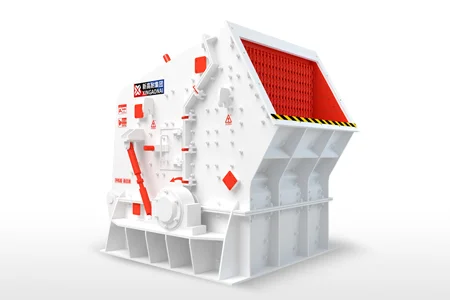
Impact crusher parts are the building blocks of high-performance
impact crushers, a critical type of industrial equipment used for crushing rocks, minerals, and aggregates in mining, construction, and recycling industries. Each component of an impact crusher is engineered to work in harmony, ensuring reliable operation, high crushing efficiency, and long service life. Whether you’re maintaining an existing impact crusher or sourcing replacement parts, understanding the key impact crusher parts, their functions, and maintenance needs is essential to minimize downtime and optimize production. From rotors and blow bars to impact plates and aprons, every part plays a vital role in the crushing process, and choosing high-quality impact crusher parts directly impacts the equipment’s performance and operational costs.
Core Impact Crusher Parts: Functions & Key Features
Impact crushers rely on a set of specialized parts designed to withstand high impact forces and abrasive materials. Below are the essential impact crusher parts, their core functions, and key characteristics that define their performance.
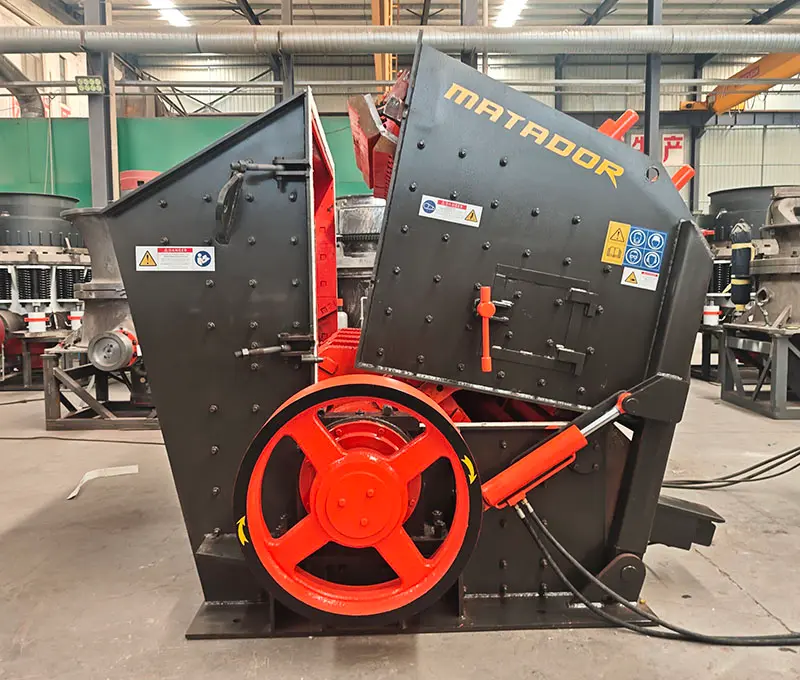
1. Rotor Assembly
The rotor assembly is the heart of an impact crusher, consisting of a shaft, disk plates, and blow bar mounts. It is responsible for generating the high rotational speed needed to propel materials into the impact plates. The rotor’s robust design—typically made of high-strength steel—ensures it can withstand the intense forces of material impact. Balanced rotor assemblies reduce vibration, extend bearing life, and improve the overall stability of the impact crusher. High-quality rotor shafts are heat-treated to resist bending and wear, while disk plates are precision-machined to ensure uniform blow bar placement.
2. Blow Bars (Impact Hammers)
Blow bars, also known as impact hammers, are the primary crushing components of an impact crusher. Mounted on the rotor, they strike and break down materials as the rotor spins at high speed. Made from wear-resistant materials such as manganese steel, chromium steel, or composite alloys, blow bars are designed to withstand repeated impact and abrasion. The shape and material of blow bars vary based on the application—e.g., sharp-edged blow bars for hard rock crushing, and blunt-edged ones for abrasive materials. Regular inspection and replacement of worn blow bars are critical to maintaining crushing efficiency and preventing damage to other impact crusher parts.
3. Impact Plates (Impact Liners)
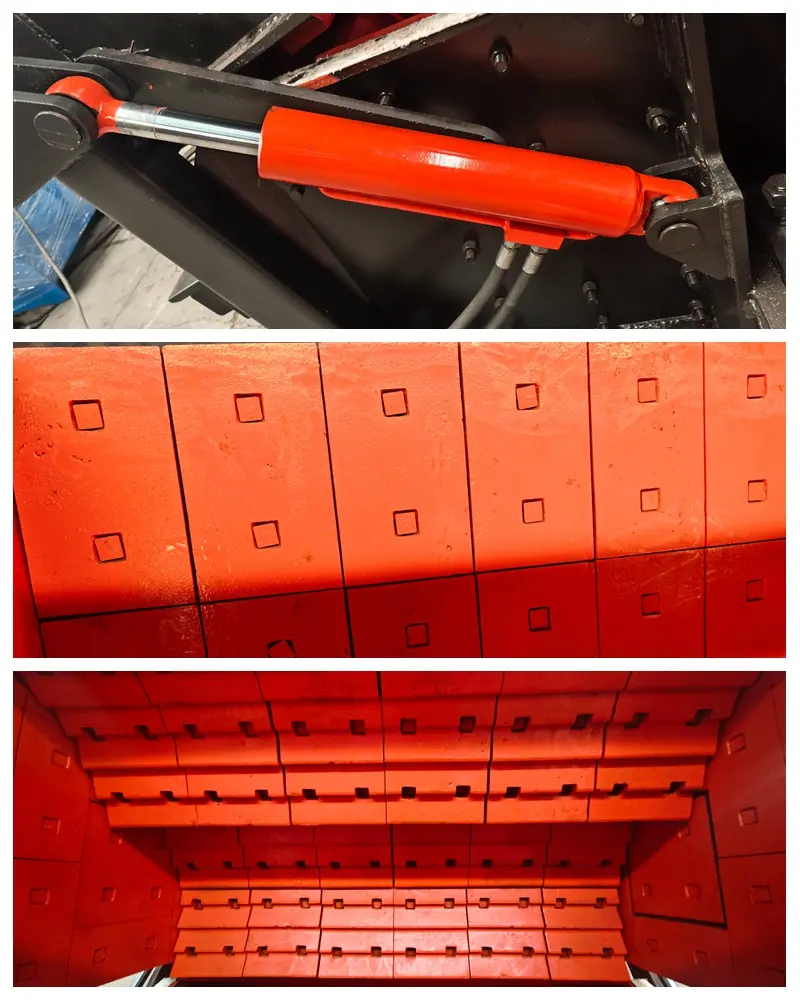
Impact plates, or impact liners, are stationary components positioned opposite the rotor that absorb the impact of materials propelled by the blow bars. They work with the blow bars to crush materials into the desired particle size, often through multiple impact cycles. Impact plates are typically made of high-manganese steel or wear-resistant alloys, with a replaceable liner surface to extend their service life. Adjustable impact plates allow operators to control the gap between the plate and rotor, modifying the final product size. Proper alignment of impact plates ensures uniform crushing and reduces unnecessary wear on other impact crusher parts.
4. Apron Plates (Adjustable Liners)
Apron plates are curved or flat liners located at the bottom of the impact crusher’s crushing chamber. They guide materials through the crushing process, ensuring they are repeatedly struck by the blow bars and impact plates until they meet the desired size. Apron plates are adjustable, allowing operators to fine-tune the product gradation and control the throughput of the crusher. Like other wear parts, apron plates are made from wear-resistant materials to withstand abrasive materials and prolonged use. Damaged or worn apron plates can cause uneven product size and reduced crushing efficiency, making them a key replacement part for impact crushers.
5. Bearings & Shaft Assembly
Bearings are critical impact crusher parts that support the rotor shaft, enabling smooth, high-speed rotation. They must withstand heavy loads, high temperatures, and vibration, so they are typically high-precision roller bearings or spherical roller bearings. Proper lubrication of bearings is essential to prevent overheating and premature failure. The shaft assembly, which connects the rotor to the drive system, is made of high-strength steel to transmit torque from the motor to the rotor. A damaged shaft or bearing can halt production entirely, so regular inspection and maintenance are vital.
6. Drive System Components
The drive system of an
impact crusher includes the motor, coupling, and pulley (or gearbox), which work together to power the rotor. The motor provides the rotational force, while the coupling connects the motor to the rotor shaft, absorbing vibration and ensuring smooth power transmission. Gearboxes are used in some impact crusher models to adjust the rotor speed, optimizing crushing efficiency for different materials. These drive components are essential impact crusher parts that require regular inspection for wear, loose connections, or lubrication issues to avoid unexpected downtime.
7. Crushing Chamber & Frame
The crushing chamber is the enclosed space where the crushing process occurs, formed by the frame, impact plates, apron plates, and rotor. The frame is the structural backbone of the impact crusher, made of heavy-duty steel to withstand impact forces and support all other components. A rigid frame minimizes vibration and ensures alignment of impact crusher parts, preventing premature wear. The crushing chamber’s design—e.g., single-stage or multi-stage—varies based on the application, with larger chambers for high-capacity crushing and smaller ones for precise particle size control.
8. Hydraulic System (for Hydraulic Impact Crushers)
Hydraulic impact crushers are equipped with a hydraulic system that includes cylinders, pumps, and valves. This system controls the gap between impact plates and apron plates, allowing for quick adjustments to product size. It also provides overload protection—if uncrushable material enters the chamber, the hydraulic system retracts the impact plates to release the material, preventing damage to other impact crusher parts. Regular maintenance of the hydraulic system, including fluid checks and seal inspections, ensures reliable operation and protects against costly repairs.
Key Considerations for Impact Crusher Parts Replacement
Choosing the right replacement impact crusher parts is critical to maintaining equipment performance and extending service life. Below are key factors to consider when sourcing impact crusher parts:
1. Material Quality
Opt for impact crusher parts made from high-quality, wear-resistant materials that match your application. For example, manganese steel blow bars are ideal for crushing hard, abrasive rocks, while composite materials offer better performance for low-abrasion applications. High-quality materials reduce replacement frequency and minimize downtime.
2. Compatibility
Ensure replacement parts are compatible with your impact crusher’s make and model. Ill-fitting parts can cause misalignment, increased vibration, and damage to other components. Work with reputable suppliers that provide parts tailored to specific crusher brands (e.g., Metso, Sandvik, or custom models).
3. Manufacturer Reputation
Source impact crusher parts from trusted manufacturers with a track record of producing reliable, durable components. Reputable suppliers often offer technical support, warranty coverage, and guidance on installation and maintenance, ensuring you get the most out of your replacement parts.
4. Performance Requirements
Consider your crushing application’s specific needs—e.g., product size, material hardness, and throughput—when selecting impact crusher parts. For example, if you’re crushing large, hard rocks, choose thick, heavy-duty blow bars and impact plates to withstand higher impact forces.
Maintenance Tips for Impact Crusher Parts
Proper maintenance of impact crusher parts is essential to maximize their service life and ensure the crusher operates at peak efficiency. Follow these tips to keep your impact crusher parts in optimal condition:
Regular Inspection: Conduct daily visual inspections of key impact crusher parts, including blow bars, impact plates, and bearings. Look for signs of wear, damage, or misalignment, and address issues promptly.
Lubrication: Keep bearings, gears, and other moving parts properly lubricated using the manufacturer-recommended lubricant. Regular lubrication reduces friction, prevents overheating, and extends part life.
Adjustment Checks: Periodically check and adjust the gap between impact plates and apron plates to maintain the desired product size and ensure uniform crushing. Misaligned or poorly adjusted parts can cause uneven wear and reduced efficiency.
Wear Part Replacement: Replace worn blow bars, impact liners, and apron plates before they become too damaged to function effectively. Delayed replacement can lead to increased energy consumption, poor product quality, and damage to other impact crusher parts.
Cleaning: Keep the crushing chamber and impact crusher parts free of debris, dust, and material buildup. Buildup can cause blockages, increase wear, and reduce airflow, leading to overheating.
Conclusion
Impact crusher parts are integral to the performance, reliability, and efficiency of
impact crushers in industrial crushing operations. From the rotor and blow bars to impact plates and bearings, each component plays a unique role in the crushing process, and their quality and maintenance directly impact the equipment’s productivity and operational costs. By understanding the key impact crusher parts, their functions, and how to select and maintain them, you can minimize downtime, reduce repair costs, and ensure your impact crusher delivers consistent, high-quality results. Whether you’re operating a small-scale crusher or a large production line, investing in high-quality impact crusher parts and following proper maintenance practices is the key to long-term success in mining, construction, and recycling industries.