How Jaw Crusher Works: A Detailed Operation Guide
Release time:2025-12-01 Views:66
0
Jaw crushers are the backbone of primary crushing in mining, quarrying, and infrastructure projects, valued for their robust performance and efficiency. For anyone working with crushing equipment, understanding how jaw crusher works is essential to optimize operation, maintain equipment, and ensure consistent output. This guide breaks down the working principle, core components, step-by-step operation, and key advantages of jaw crushers.
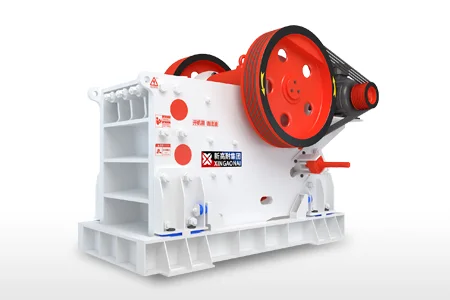
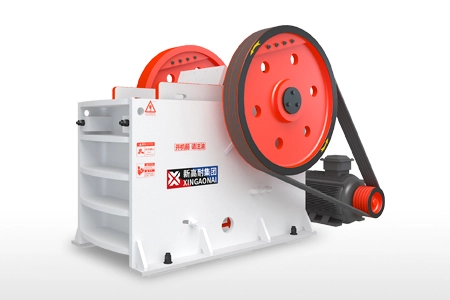
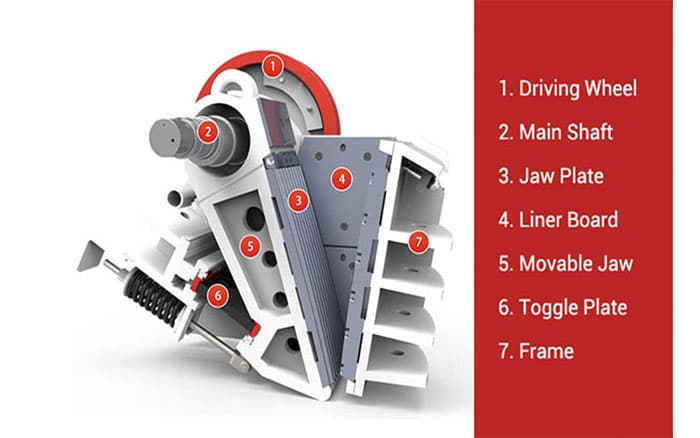
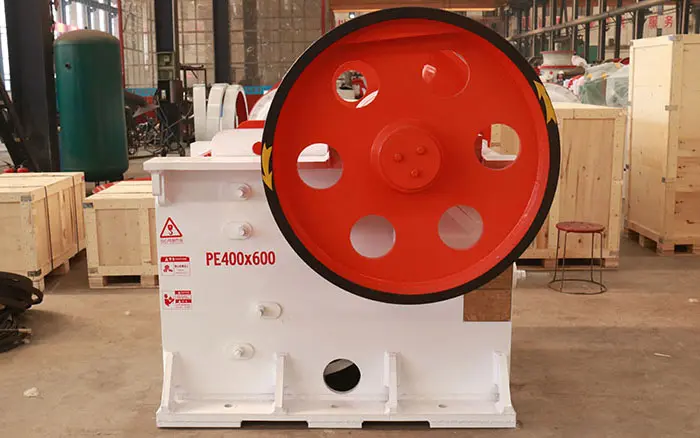
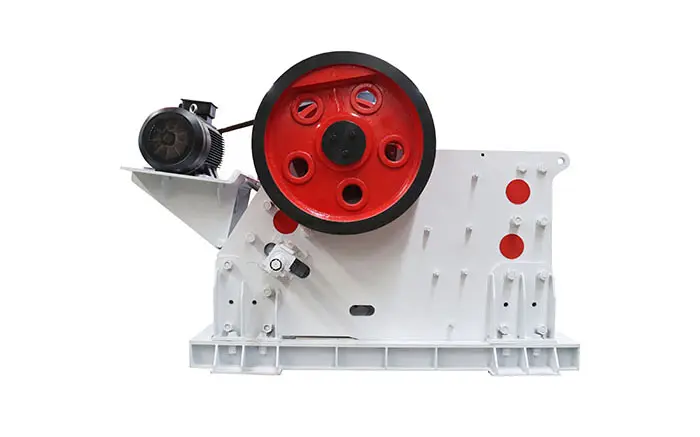
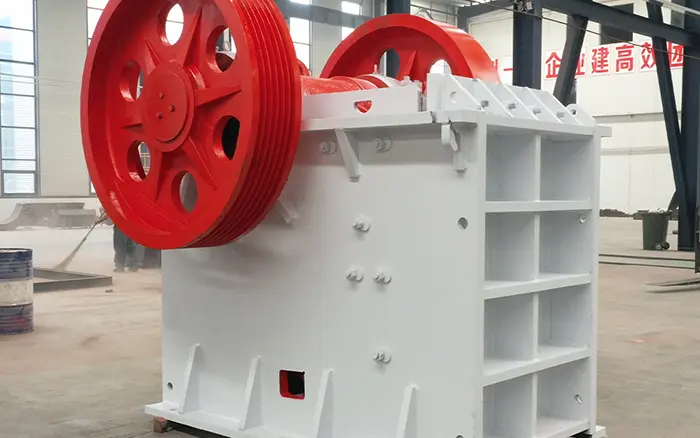
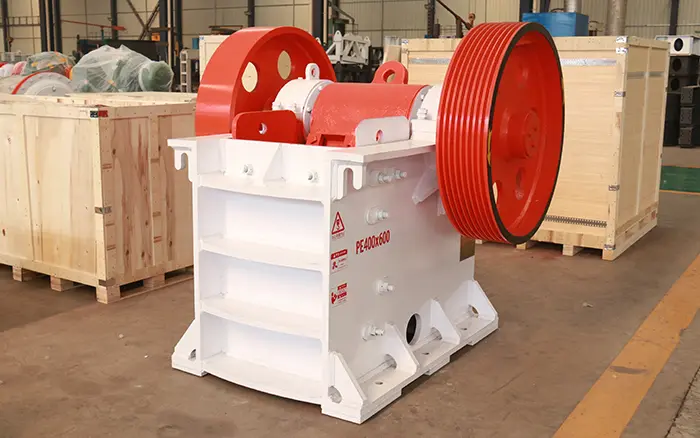
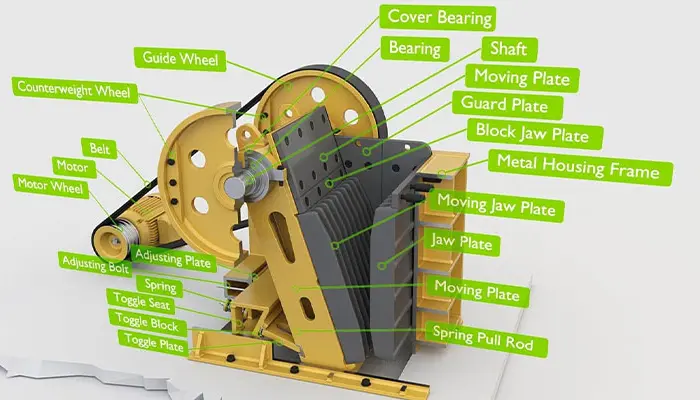
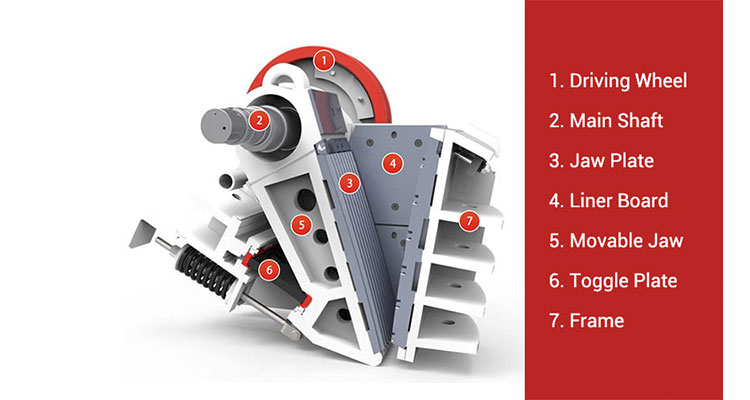
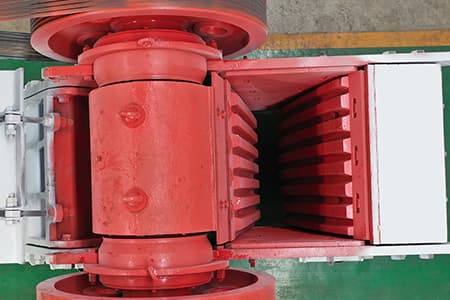
Before exploring how jaw crusher works, it’s critical to know its key components—each plays a vital role in the crushing process. A standard jaw crusher features an optimized structure based on traditional designs, with core parts including:
Fixed Jaw Plate: A stationary component attached to the heavy-duty frame, lined with wear-resistant material to withstand high pressure and friction from hard materials.
Movable Jaw Plate: The swinging component that interacts with the fixed jaw plate to apply compressive force. It is connected to the eccentric shaft and toggle plate, driving its reciprocating motion.
Eccentric Shaft: The power transmission core, driven by the motor. It converts rotational motion into the reciprocating swing of the movable jaw plate.
Toggle Plate: Acts as a connecting rod and safety component. It transmits force from the eccentric shaft to the movable jaw and protects the machine from overload by breaking under extreme pressure.
Feeding Hopper & Discharge Adjustment Device: The hopper ensures uniform feeding of large materials, while the discharge adjustment device (commonly wedge-type) controls the final product particle size by adjusting the gap between the two jaw plates.
How Jaw Crusher Works: Operating Principle
Jaw crushers operate on the classic compression crushing principle, with optimized motion design to enhance efficiency. Here’s a step-by-step breakdown of how jaw crusher works in practice:
Step 1: Power Transmission & Movable Jaw Activation
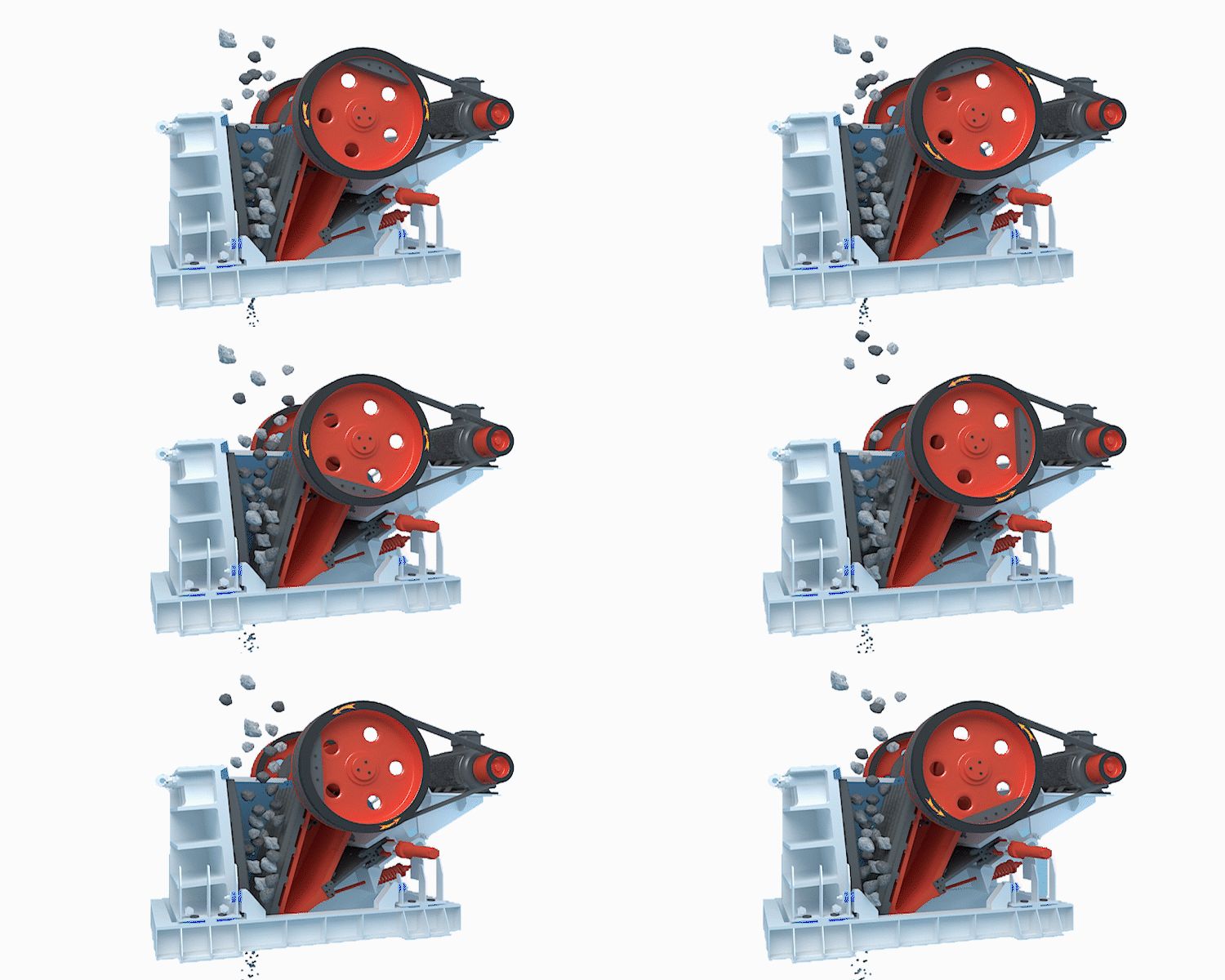
When a jaw crusher is started, the motor drives the eccentric shaft to rotate through the belt pulley and reducer. The eccentric shaft’s rotation generates eccentric force, which is transmitted to the movable jaw plate via the toggle plate. This force pushes the movable jaw plate to swing reciprocally relative to the fixed jaw plate—moving toward and away from the fixed jaw in a periodic cycle.
Step 2: Material Feeding & Crushing Process
Large raw materials (such as
granite,
basalt, or ore blocks) are fed into the V-shaped crushing chamber through the feeding hopper. As the movable jaw plate swings toward the fixed jaw plate, the gap between the two plates narrows, applying strong compressive force to the materials. This force fractures the materials into smaller particles, overcoming their internal tensile strength.
Step 3: Particle Size Control & Discharge
When the movable jaw plate swings away from the fixed jaw plate, the gap between the plates widens. The crushed materials that meet the preset particle size (controlled by the discharge adjustment device) fall through the discharge opening. Materials that are too large remain in the crushing chamber to be re-crushed in the next cycle of the movable jaw’s swing. This continuous reciprocating motion ensures uninterrupted crushing and stable output.
Optimized Design for Enhanced Performance
Compared to traditional jaw crushers, modern designs optimize how
jaw crusher works by improving the movable jaw’s motion trajectory. Their deep crushing chamber and optimized swing angle increase the crushing stroke and contact time with materials, resulting in higher crushing efficiency and a larger crushing ratio. The wedge-type discharge adjustment device also allows for quicker, more precise particle size adjustment—adapting to diverse production needs.
Key Factors Affecting How Jaw Crusher Works Efficiently
To ensure a jaw crusher operates at its best, several factors need to be considered, as they directly impact how jaw crusher works and its output quality:
Material Properties: Hardness, humidity, and particle size of raw materials affect crushing efficiency. Jaw crushers are designed for hard and medium-hard materials, but excessively wet materials may cause blockages.
Feeding Uniformity: Uneven feeding leads to uneven wear of jaw plates and reduced efficiency. Ensure consistent feeding to keep the crushing chamber moderately filled.
Discharge Gap Setting: Incorrect gap settings result in uneven particle size or reduced throughput. Calibrate the gap according to production requirements using the wedge adjustment system.
Lubrication & Maintenance: Proper lubrication of the eccentric shaft and toggle plate ensures smooth motion. Regularly inspect and replace worn jaw plates to maintain crushing performance.
Common Issues in How Jaw Crusher Works & Troubleshooting
Understanding how jaw crusher works also helps identify and resolve common operational issues. Typical problems and solutions include:
Low Crushing Efficiency: Cause: Insufficient motor power, worn jaw plates, or incorrect discharge gap. Solution: Check motor operation, replace worn parts, and recalibrate the discharge gap.
Uneven Discharge Particle Size: Cause: Uneven jaw plate wear or uneven feeding. Solution: Rotate or replace jaw plates, and optimize feeding uniformity.
Movable Jaw Jammed: Cause: Oversized materials or foreign objects entering the chamber. Solution: Stop the machine, clear the blockage, and check the feeding size.
Conclusion
Jaw crushers operate on a straightforward yet efficient compression crushing principle, with optimized components and motion design to deliver reliable performance in primary crushing. By understanding how jaw crusher works—from power transmission and material crushing to particle size control—operators can maximize efficiency, extend equipment lifespan, and ensure consistent output for mining, quarrying, and construction projects.
Whether you’re an operator, maintenance technician, or project manager, mastering the working principle of jaw crushers is key to unlocking their full potential in your crushing line.