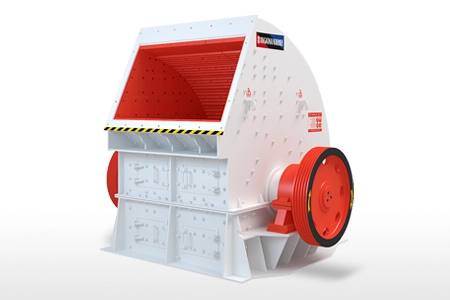
Bearing lockup is a frequent fault in hammer crushers that directly disrupts production efficiency and increases maintenance costs. As a core component bearing the crusher’s main load, bearings are prone to overheating and seizing if used improperly. Below is a detailed breakdown of the root causes and actionable solutions to resolve this issue quickly.
Improper assembly is a leading cause of bearing lockup. Failing to measure bearing dimensions or grind inner holes during installation can result in mismatches between the bearing outer ring and housing hole, or the inner ring and shaft. This mismatch deforms the bearing housing, reduces radial clearance, and causes uneven rolling of components—leading to increased friction, heat buildup, and vibration. Additionally, excessive heating during bearing assembly can temper the bearing, reducing its hardness and precision, which accelerates wear and seizing.
Hammer crushers generate large amounts of dust during operation, which contaminates the oil seal. A damaged or ineffective oil seal leads to dry friction, as dust infiltrates the bearing cavity. This dry friction rapidly raises the bearing temperature, ultimately causing lockup if not addressed promptly.
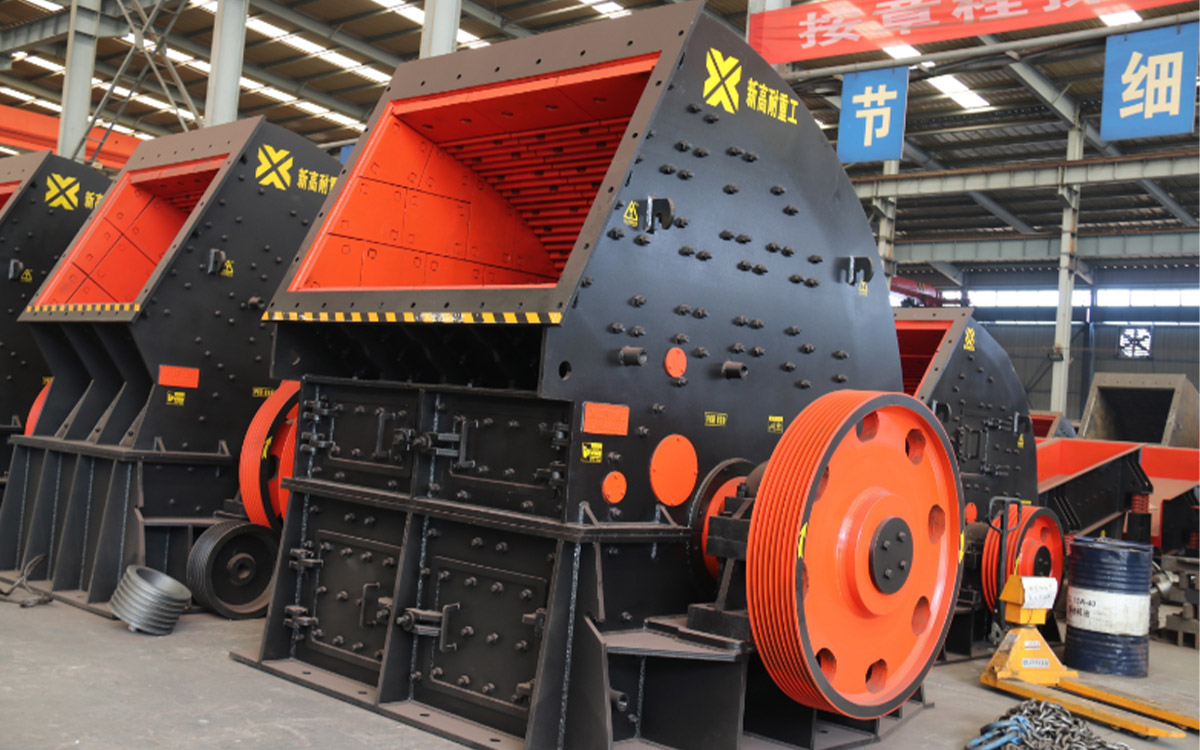
Even high-quality bearings will fail if clearance is incorrectly set. Many installations rely on "feel" rather than precise debugging, resulting in overly small axial clearance. Insufficient clearance restricts the bearing’s normal movement, causing excessive friction and overheating that triggers lockup.
Lubrication problems are another key culprit. Adding too much grease increases frictional torque and temperature, while adding too little fails to provide adequate protection—leading to dry friction, uneven wear, and overheating. Using the wrong type of lubricant also exacerbates the issue.
During assembly or maintenance, quality inspectors must first verify the dimensions of the shaft diameter, bearing hole, and related components. When replacing short shaft assemblies, recheck installation dimensions to ensure a perfect match. Avoid overheating bearings during assembly to preserve their hardness and precision.
The impact load on bearings depends on rotor impulse and bearing seat flexibility. Insert a pressure-resistant, shock-absorbing industrial rubber plate between the bearing seat and support frame. This modification effectively reduces impact forces and minimizes the risk of lockup.
Oil seals (rotating shaft lip seals) with auxiliary lips help block dust but are prone to poor lubrication. Fill the auxiliary lip cavity with grease to prevent dry friction and damage. Replace worn oil seals immediately and conduct a test run to ensure proper sealing.
Choose the right lubricant for high-speed, heavy-load rotor bearings: molybdenum disulfide composite calcium-based grease. Follow a strict lubrication schedule: add grease every 8 hours of operation and change the oil completely every 3 months.
The optimal grease fill is 1/3 to 1/2 of the bearing’s total internal void volume. Regularly inject the correct amount of grease and clean bearings, seals, and covers with gasoline or kerosene. Promptly replace worn labyrinth seal covers on bearing seats to prevent dust intrusion.
Conduct daily pre-operation checks of bearing temperature, noise, and grease levels.
Train operators on proper assembly and lubrication practices to reduce human error.
Store bearings in a clean, dry environment to prevent contamination before installation.
By addressing these core issues and following the step-by-step solutions, you can effectively resolve
hammer crusher bearing lockup, extend equipment service life, and minimize unplanned production downtime.